Frank Mylar Pleads Guilty in Utah Elections Bribery Case: Key Details Revealed
Frank Mylar pleads guilty to attempted bribery in Utah elections, accepting plea deal with conditions affecting his political future.
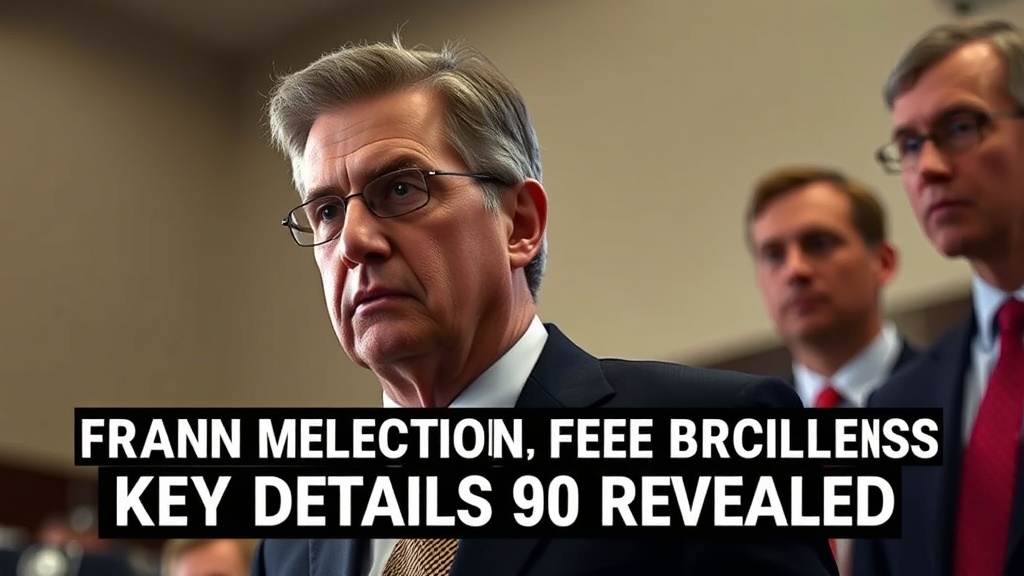
In a significant legal development, former Republican candidate for Utah Attorney General, Frank Mylar, has accepted a plea deal in connection with an elections bribery case. Mylar appeared in Salt Lake City's 3rd District Court on Friday, where he entered a guilty plea to a charge of attempted bribery in elections, classified as a class A misdemeanor. This charge was reduced from a third-degree felony, which he originally faced, highlighting the complexities surrounding this high-profile case.
Judge James Blanch presided over the hearing and sought clarity regarding Mylar's decision to plead guilty. "Are you pleading guilty because you're guilty of it?" the judge inquired. To which Mylar responded affirmatively, confirming his acknowledgment of wrongdoing. The judge then accepted Mylar’s plea, marking a pivotal moment in the legal proceedings.
The terms of the plea-in-abeyance agreement stipulate that Mylar could avoid jail time and financial penalties if he adheres to the conditions set forth by the court. However, this deal comes with specific stipulations that could impact his future career and public engagement. Notably, Mylar is prohibited from running for public office for the duration of the plea agreement, a significant consequence for a politician who once aspired to hold the position of Utah's Attorney General. Additionally, as a condition of his plea, Mylar is required to take on two pro bono cases, underscoring the legal system's emphasis on community service and accountability.
Mylar's political journey has been marked by ambition and controversy. In the lead-up to the 2024 election cycle, he gained traction among Republican delegates as a candidate for Utah Attorney General. Mylar's campaign, however, took a downturn when he lost the GOP primary to the current Attorney General, Derek Brown. This loss was compounded by the legal troubles that arose from allegations of bribery, which cast a shadow over his political aspirations.
The indictment against Mylar stemmed from accusations that he attempted to bribe fellow candidate Trent Christensen, offering him a position within the Utah Attorney General's Office should Mylar win the election. This controversial move was perceived as an attempt to consolidate support by persuading Christensen to withdraw from the race and endorse Mylar instead. At the time of the allegations, Mylar characterized a text message sent to Christensen regarding the job offer as a "mistake," asserting that he had since withdrawn it. However, these claims did not mitigate the legal ramifications he faced, ultimately leading to his plea deal.
As the case unfolds, it raises broader questions about ethical conduct in political campaigns and the lengths to which candidates may go to gain advantage. The implications of Mylar's plea deal extend beyond his own personal ramifications; they serve as a cautionary tale to other political figures navigating the competitive landscape of elections. The judiciary's response to Mylar's actions reflects a commitment to maintaining integrity within the electoral process, emphasizing that attempts to manipulate outcomes through bribery will not be tolerated.
Looking forward, Mylar's legal troubles may set a precedent for how similar cases are handled in the future. The decision to accept a plea deal rather than contest the charges may indicate a strategic move on Mylar's part, possibly to mitigate potential backlash and preserve some semblance of his professional reputation. However, with the stipulations attached to his plea agreement, Mylar's future in politics remains uncertain.
The case has garnered attention not only for its legal implications but also for the ethical considerations it raises in the realm of political campaigning. As the electoral landscape continues to evolve, candidates and their teams are likely to scrutinize the lessons learned from Mylar's predicament and the importance of maintaining ethical standards in pursuit of public office.
In conclusion, Frank Mylar's acceptance of a plea deal in the elections bribery case marks a significant turn in his political journey. While he may avoid jail time, the consequences of his actions will undoubtedly linger as he navigates the terms of his agreement and contemplates his future within Utah's political arena. The case serves as a reminder of the critical need for transparency and integrity in the electoral process, essential components for a healthy democracy.