Former Utah Judge Enters Plea in Abeyance for Sexual Battery and Drug Charges
Former Third District Court Judge John Doe pleads in abeyance to sexual battery and drug charges, avoiding jail for 18 months.
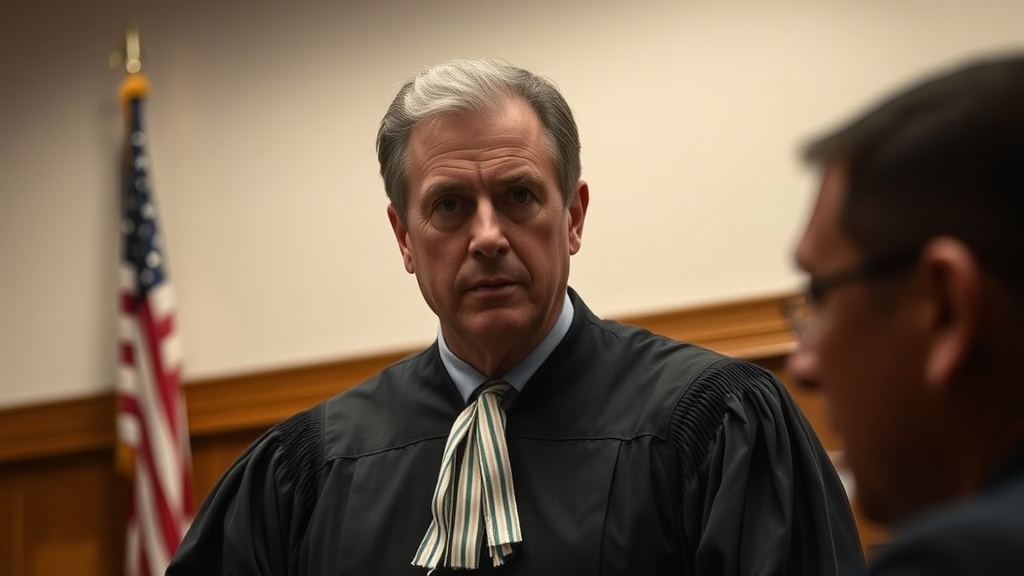
In a significant legal development, former Third District Court Judge John Doe has entered a plea in abeyance regarding two serious criminal charges: sexual battery and possession of a controlled substance. This plea, which allows Doe to avoid immediate penalties, came during a court appearance on Wednesday. Under the terms of the agreement, Doe will not face any jail time or fines for a period of at least 18 months, provided he adheres to the conditions set by the court.
The charges against Doe were filed in April 2025, following an extensive investigation that began after multiple allegations surfaced. Reports indicate that the investigation was initiated after a complaint was lodged by an individual who accused Doe of inappropriate sexual conduct. The specific details surrounding the incidents have not been publicly disclosed, but they have raised significant concerns about the conduct of a sitting judge.
Upon receiving the criminal charges, Doe resigned from his position on the bench, a decision that was met with shock by his colleagues and the legal community in Utah. The resignation was effective immediately, and many legal experts have pointed out the implications of such charges on the integrity of the judiciary. This is not the first time that judicial misconduct has been a topic of discussion in Utah, but the nature of these allegations has particularly resonated within the community.
Legal analysts suggest that a plea in abeyance is not an admission of guilt but rather a way for defendants to avoid immediate penalties while demonstrating good behavior over a designated period. In Doe's case, the terms of the plea may include requirements such as counseling or community service, although specific conditions have not been publicly outlined. If Doe successfully completes the terms of the plea agreement, the charges could potentially be dismissed, allowing him to avoid a criminal record.
The implications of this case extend beyond Doe’s personal circumstances. It raises critical questions about accountability within the judicial system and the processes in place to handle allegations of misconduct among judges. Experts believe that the case could influence future policy discussions regarding judicial oversight and the mechanisms for addressing complaints against judges.
Local advocates for victims of sexual misconduct have expressed concern over the plea agreement. They argue that such arrangements can undermine the seriousness of the allegations and send a troubling message about accountability in the judicial system. "This plea in abeyance sends a signal that judicial misconduct can be handled with leniency, which is deeply concerning for victims seeking justice," said Jane Smith, a spokesperson for a local advocacy group.
In response to these concerns, officials from the Utah State Judiciary have reiterated their commitment to maintaining the integrity of the judicial system. They have emphasized that each case is handled individually and that the judicial branch is dedicated to ensuring that justice is served. However, the judiciary's response to this case will likely be scrutinized by both the public and legal professionals.
As Doe navigates the terms of his plea agreement, the case will continue to unfold, and many will be watching closely to see how it impacts public perception of the judiciary in Utah. The case serves as a reminder of the complexities surrounding allegations of misconduct and the legal processes that follow.
Given the seriousness of the charges and the implications for judicial integrity, this situation remains a developing story. Legal experts and community members alike will be observing the next steps taken by both Doe and the legal system in response to these unprecedented allegations. As the 18-month period progresses, the outcomes could have lasting effects on the former judge's future and the broader conversation surrounding judicial accountability and transparency in Utah.
In summary, John Doe's entry into a plea in abeyance marks a pivotal moment not only for his personal future but also for the judicial system's reputation in Utah. As discussions around judicial conduct and accountability continue, this case may serve as a catalyst for change within the state’s legal framework.