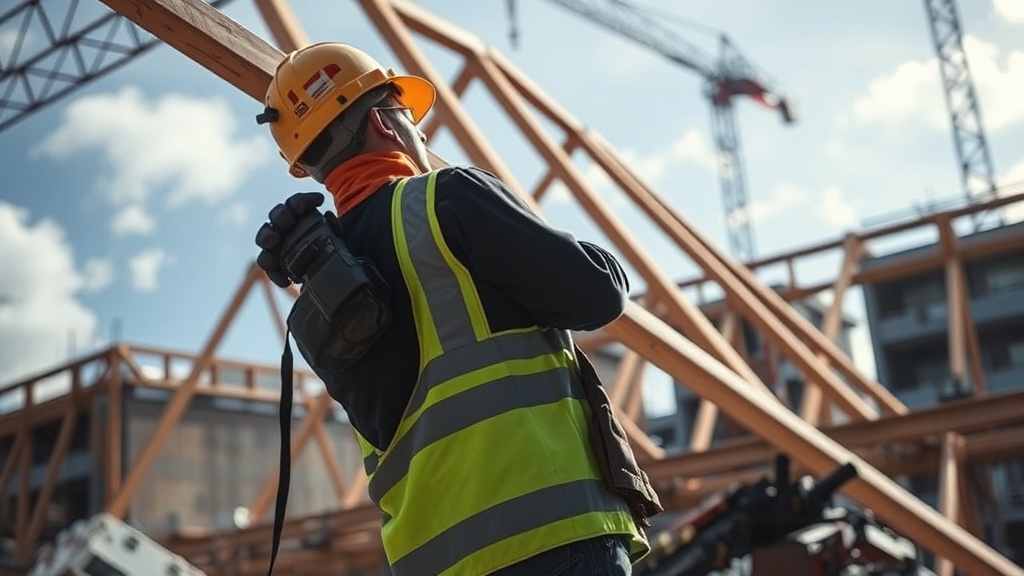
Federal Officials Advocate for Utah's Infrastructure Model Nationwide
Rep. Burgess Owens and federal officials discuss Utah's transportation model, advocating for collaborative infrastructure solutions nationwide.
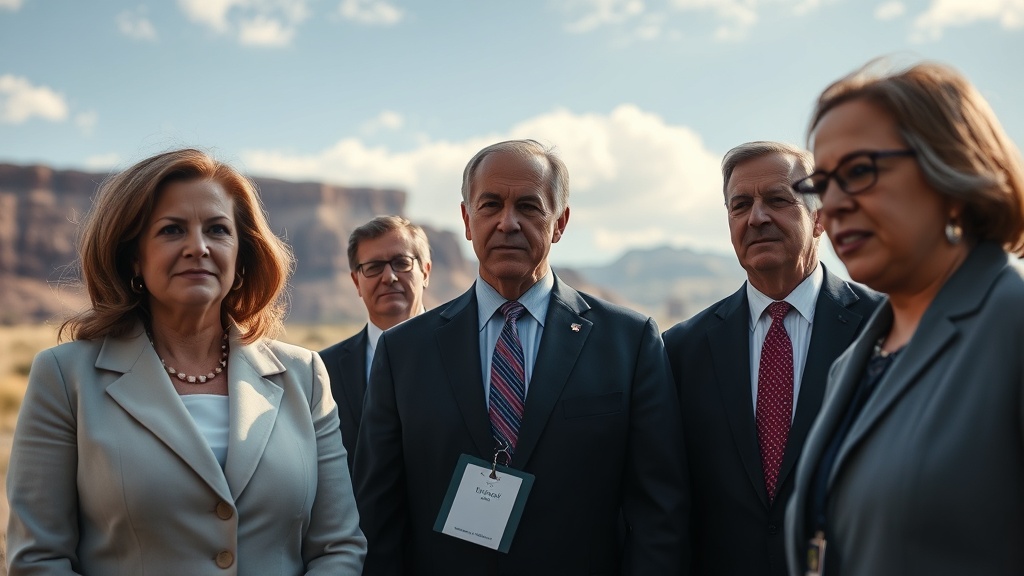
In a significant gathering at the South Jordan FrontRunner station on Friday morning, Rep. Burgess Owens, alongside federal, state, and local leaders, engaged in a critical discussion regarding the future of Utah's transportation infrastructure. This meeting comes at a time when the U.S. is grappling with aging infrastructure and the need for modernization to support a growing population and economy.
The event brought together prominent figures, including federal transportation officials who emphasized the importance of adopting what they termed 'the Utah way' in infrastructure development. This phrase encapsulates a collaborative approach that prioritizes efficiency, innovation, and community involvement. Federal officials noted that Utah has become a benchmark for other states due to its successful transportation projects and the effective use of state funds.
"Utah has demonstrated what can be accomplished when federal, state, and local entities work together toward a common goal," said one federal transport official who spoke at the event. "The state’s innovative methods and proactive planning have resulted in transportation solutions that not only meet current demands but are also sustainable for future generations."
Rep. Owens highlighted recent initiatives in Utah, including the expansion of the FrontRunner commuter rail system, which has significantly improved access to key urban areas. The FrontRunner, which runs between Ogden and Provo, has seen an increase in ridership over the years, reflecting the growing dependence on public transportation. Owens pointed out that these enhancements are not just about moving people but fostering economic growth throughout the region.
"Investing in transportation infrastructure is investing in our economy," Owens stated. "We need to ensure that our roads, rails, and transit systems can handle the demands of a growing population while also promoting sustainability and environmental responsibility."
Local leaders also contributed to the discussion, sharing their experiences and the challenges they face in maintaining and upgrading infrastructure. South Jordan Mayor Dawn Ramsey expressed her concerns about the need for adequate funding and resources. "As a growing city, we face unique challenges, especially when it comes to transportation and infrastructure development. It’s crucial that we have a partnership with federal and state agencies to ensure that our infrastructure keeps pace with our growth," Ramsey said.
The conversation also touched on the importance of technology in modernizing infrastructure. Federal officials mentioned the potential benefits of smart technology, such as traffic management systems and real-time data analytics, which can enhance the efficiency of transportation networks. These technologies not only improve the user experience but also contribute to safety and environmental goals.
Moreover, the event underscored the role of community involvement in infrastructure planning. Local leaders advocated for increased public engagement, arguing that residents should have a voice in how their transportation systems are developed and improved. Owens supported this notion, stating, "The best solutions often come from the ground up. We need to listen to the communities we serve and incorporate their insights into our planning processes."
Looking ahead, the participants at the meeting expressed optimism about the future of Utah’s transportation infrastructure. With ongoing discussions about federal funding opportunities and potential investments in local projects, there is a sense of urgency to capitalize on the momentum generated by this collaborative approach.
The federal infrastructure bill passed in 2021 allocated substantial funding for various projects across the nation, and Utah is positioned to benefit significantly from these resources. Owens and other leaders are advocating for strategic investments that prioritize projects with the greatest potential for impact.
In conclusion, as the U.S. continues to face challenges related to infrastructure, the collaborative model exemplified by Utah may serve as a guiding framework for other states. By focusing on innovation, community involvement, and effective use of resources, Utah aims to not only enhance its transportation infrastructure but set a standard for the nation. With federal support and local commitment, the vision for a robust and sustainable transportation network is more achievable than ever. This approach could very well reshape how infrastructure is built and maintained across the country, establishing a new norm that prioritizes efficiency and community needs in the ever-evolving landscape of American transportation.