Exploring 'The Best Summer': A Nostalgic Journey Through Alternative Rock
Tamra Davis's 'The Best Summer' takes viewers on a nostalgic journey through the 90s alternative rock scene, capturing intimate moments with iconic bands.
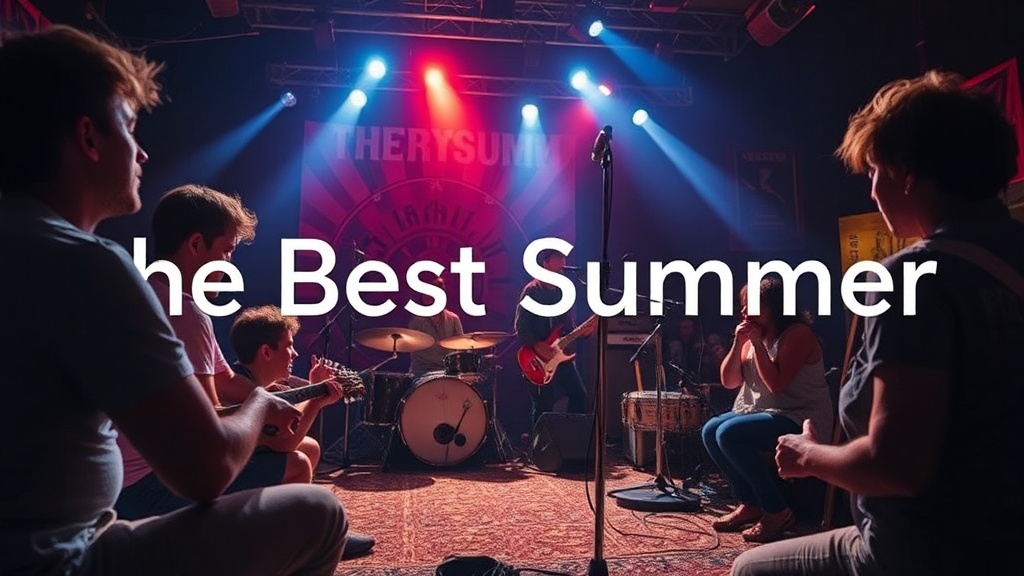
In a captivating blend of nostalgia and musical history, Tamra Davis's documentary "The Best Summer" offers an in-depth look into the vibrant alternative rock scene of the 1990s. This film, which made its debut at the 2026 Sundance Film Festival, is a treasure trove of archival footage, interviews, and live performances, all captured through the lens of Davis, who was a prominent filmmaker and an integral part of the touring life during that iconic era. The documentary is not just a film; it’s a time capsule that transports viewers back to a golden age of music.
The genesis of "The Best Summer" came from a harrowing experience for Davis, who faced the Palisades fires in January 2025. In her rush to evacuate, she salvaged boxes filled with Hi8 tapes brimming with footage from her past. Known for her acclaimed works like "Jean-Michel Basquiat: The Radiant Child," Davis found herself reflecting on her unique journey as a "wife on the road" touring with her husband, Mike D of the Beastie Boys. "I was like ‘Oh my God,’" she recalled, discovering not only footage of the Beastie Boys and Bikini Kill but also rare clips of the Foo Fighters, Pavement, and candid interviews with other major acts of the time.
The documentary immerses viewers in a first-person perspective of Davis's touring experiences alongside legendary bands. It features intimate moments where a youthful Davis engages in conversations with artists like Kathleen Hanna of Bikini Kill and members of the Beastie Boys. These interactions, which range from discussing their stage personas to their favorite colors and books, offer a rare glimpse into the personalities behind the music. For instance, a baby-faced Dave Grohl reveals that his favorite color was green, while Sonic Youth's Kim Gordon shares her tendency not to stray from her true self on stage.
Interwoven with these interviews are electrifying live performances that capture the raw energy of the era. When Bikini Kill performs their anthem "Rebel Girl," the intensity of the moment pulls viewers into the crowd, making them feel as if they are experiencing the concert firsthand. The Beastie Boys are seen bouncing around the stage in their trademark exuberance, and Grohl is depicted whipping his hair back and forth between guitar riffs. Davis’s goal was to create an engaging experience akin to being right at the front of the stage, where viewers can feel the adrenaline and excitement of live music.
Davis’s choice to use Hi8 footage adds to the film’s charm, presenting a low-definition quality that resonates with the period. "And also just how everybody was so young and beautiful," Davis noted, reflecting on the carefree spirit of those days. The documentary is a celebration of joy, camaraderie, and the bonds formed during that vibrant summer of music. Davis described the editing process as a labor of love, using DaVinci Resolve to stitch together a narrative that feels organic rather than scripted. "I’m not going to wait for Hollywood; I’m just going to start making a film all by myself," she asserted, emphasizing her independent approach to filmmaking.
Unlike traditional documentaries, "The Best Summer" eschews the typical format of introductions and voiceovers in favor of diving straight into the action. Viewers are treated to a tour diary-style experience, filled with candid moments and spontaneous interactions with musicians like Beck, Rancid, and Pavement. Davis’s style allows for a flow that mimics the rhythm of a music festival, where spontaneity reigns.
Davis expressed particular pride in capturing genuine behind-the-scenes moments that reveal the chemistry and camaraderie among the artists. A highlight for her was the footage of a Sonic Youth performance, where the strobe lights and raw energy were just as impactful on screen as they were in person. "Every time I watch it, you feel like you’re all high, like all of a sudden something happens to you where you really feel like you’re on the side of the stage and you’re having an experience at a concert," she described.
At its core, the film is a tribute to the independent spirit of filmmaking, allowing Davis to tell her story without the constraints of mainstream expectations. She emphasized the importance of gaining approval from every band featured, a nearly impossible feat in the industry, which speaks to the trust and respect she garnered among her peers.
Ultimately, "The Best Summer" serves as a poignant reminder of a beautiful time in music history. It encapsulates not just the performances and personalities but also the emotional connections and memories that continue to resonate with fans today. "It’s just a beautiful piece of nostalgia and memory," Davis reflected, celebrating the moments that shaped the alternative rock landscape. As audiences look back on this remarkable era, the film stands as a testament to the power of music and the enduring bonds formed through shared experiences.
As the film continues to make waves following its Sundance debut, Davis remains hopeful that it will inspire a new appreciation for the raw, unfiltered joy of live music and the unique stories that each band has to tell.