Exploring Moab: A Journey Through Desert Landscapes and Memories
Explore the breathtaking landscapes of Moab, Utah, and discover its rich history and cultural significance through a journey of memories.
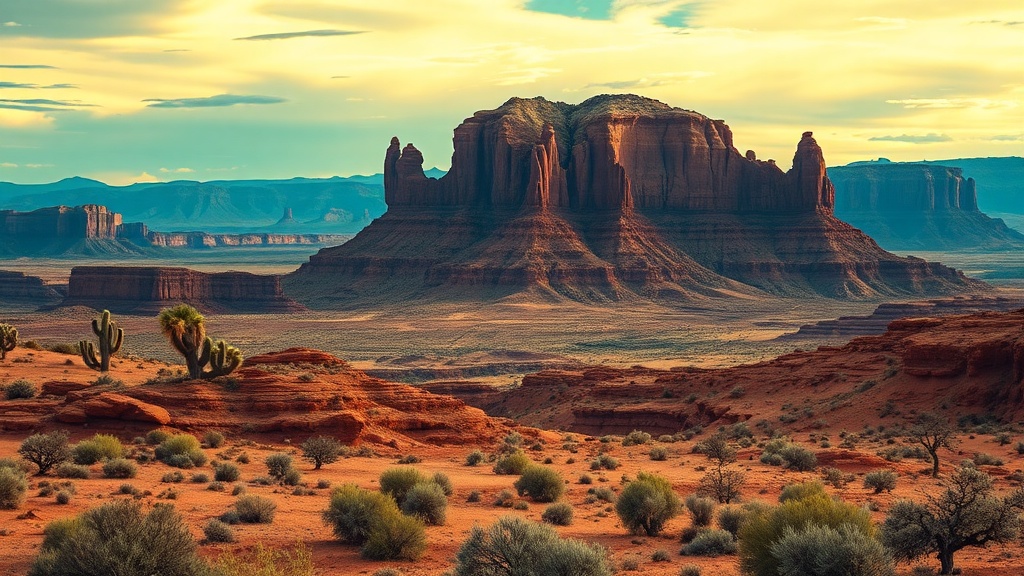
Standing atop Dead Horse Point, visitors are enveloped in a breathtaking panorama where the earth seems to fall away beneath their feet. This dramatic vantage point overlooks the winding goosenecks of the Colorado River, which carve an ancient path through the rugged desert landscape, while the vast expanse of Canyonlands National Park unfolds in every direction. The silence is profound, almost deafening, allowing one’s thoughts to slow and match the unhurried pace of this majestic land.
As the gaze shifts downward, the Shafer Trail snakes through rocky terrain, its winding route extending into the distance, evoking memories of cinematic moments from the iconic 1991 film "Thelma & Louise." In that film, Susan Sarandon's character, Louise, accelerates in a turquoise 1966 Ford Thunderbird, with Geena Davis's Thelma beside her, capturing an unforgettable moment of freedom and choice. For decades, the desert surrounding Moab has served as a refuge for many, offering a seasonal escape from the chill of winter or a break from the holiday hustle.
For those who have grown up in the mountains, the allure of the desert becomes clearer with experience. The stark contrast of sand and rock provides a therapeutic respite from the snowy peaks and the influx of tourists. This year’s holiday retreat to Moab represented not just an escape from winter chores, but a chance to appreciate a vastly different landscape where snow is not an expectation but a rarity.
In Moab, the thrill of identifying snow-covered mountain peaks transforms into marveling at the unique geological formations that define the area. Standing at the edge of a cliff, one can ponder how relentless water and wind sculpted the towering structures of Wingate sandstone, including scenic landmarks like Castleton Tower and The Titan. These magnificent formations serve as a testament to the extraordinary natural forces at play in this part of Utah.
On Main Street, enjoying a local Johnny’s IPA at a familiar bar, visitors can feel the warmth and charm of the community. A stop at the Back of Beyond bookshop reveals a dedicated section for Ed Abbey, whose works have profoundly impacted environmental literature. Abbey's journey from park ranger to an outspoken advocate for nature in the 1970s reflects the ongoing dialogue about preservation and appreciation of the natural world—a conversation that feels especially relevant today.
No visit to Moab would be complete without a trip to Lin Ottinger’s Rock Shop. Though the beloved local figure passed away last year, his legacy continues through the shop, a cherished destination for both locals and tourists alike. The memories shared within its walls evoke nostalgia for the early days in Moab, where visitors would admire Ottinger’s vintage VW microbus and engage in conversations about geology and local history.
Nearby, families book desert Jeep adventures, often led by legendary figures like Dan Mick, who has been pioneering the Jeep tour business in Moab for decades. Encountering Mick high atop Hell’s Revenge—a rugged off-road trail—serves as a reminder of the rich outdoor culture that thrives in this region.
As the journey home begins, travelers often stretch out the drive, savoring the beauty of the sagebrush and sandy expanses. One such stop is Cisco, a ghost town steeped in history. Once a bustling hub during the 19th-century railroad boom, Cisco served as a water stop for the Denver & Rio Grande, later becoming a center for ranching and a site of oil exploration in the 20th century. Although much of its infrastructure has succumbed to time, the spirit of Cisco endures, with remnants of its past standing stoically amid the desert.
Each visit reveals a few more dilapidated buildings, yet there’s an undeniable sense of life amidst the decay. Seasonal decorations, such as a fire truck adorned for the holidays, juxtapose the desolation with a hint of cheer. A sign marking the entrance to a nearby area humorously warns visitors of the local culture, stating, “You are entering a RED NECK AREA. You may encounter American Flags, Armed Citizens, The Lord's Prayer, and Country Music.” This blend of humor and hospitality encapsulates the unique character of the desert and its inhabitants.
As the journey concludes, the memories forged in the Moab desert linger long after the last sight of red rocks fades from view. The landscapes, history, and connections made during these visits serve as a reminder of the profound beauty and enduring spirit of the American West. Each trip to this remarkable area is not just a getaway, but a journey through time and nature, offering a deeper understanding of the land and its stories.