Essential Guidelines for Pulling Over on Utah Freeways: Safety First
Learn the essential etiquette for pulling over on Utah freeways to ensure safety for drivers and law enforcement.
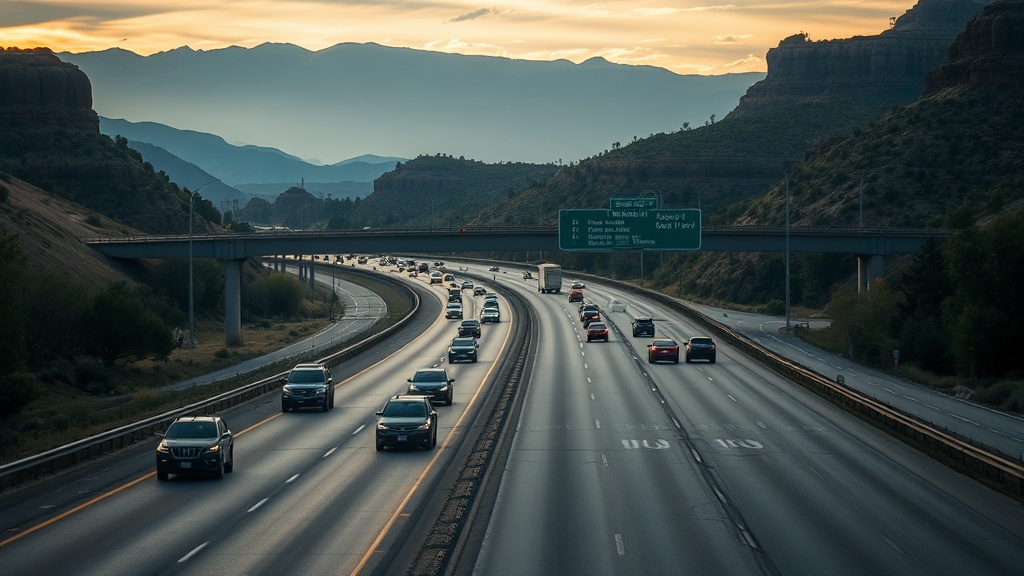
When drivers see the flashing lights of a police vehicle in their rearview mirror, their instinct is often to pull over immediately. However, the specific etiquette for pulling over on busy Utah freeways is crucial for ensuring the safety of all involved. With a significant number of vehicles traveling at high speeds, understanding the best practices for stopping can make a difference in preventing accidents.
Rocky Baum, a daily commuter who drives 80 miles for work, raised concerns about the common practice of pulling over too close to freeway barriers. His observations, rooted in years of experience, reveal a recurring issue: many drivers immediately stop next to the concrete barriers that line the highways. "I've been driving 80 miles a day, 40 into work and 40 back for 30 years, and time after time I see drivers pull right over next to the barrier," Baum stated. His comments highlight a critical safety concern, as stopping in such close proximity to the barrier can risk the lives of both the driver and the law enforcement officer approaching their vehicle.
Lieutenant Cam Roden of the Utah Highway Patrol addressed Baum's question by emphasizing the need to prioritize safety over expedience when being pulled over. According to Roden, there isn't a one-size-fits-all answer; the response can vary depending on the type of road, available space, and traffic conditions. "Whether you're in the High Occupancy Vehicle (HOV) lane or a general-purpose lane, we want you to pull over on the right-hand shoulder," Roden advised.
However, the lieutenant also clarified that drivers should not hesitate to drive a short distance to find a safer spot to stop. "We want you to pull over in a relatively short time frame, but we also want you to be in a safe location," he added. This statement underscores an important aspect of the interaction between drivers and law enforcement: safety is paramount for both parties.
In a situation where the driver feels that pulling over immediately may endanger them or the officer, Roden noted that crossing a double white line is acceptable. This guidance is particularly critical when navigating busy highways with heavy traffic. The officer will also be exiting their vehicle, which can further complicate the situation if the driver stops in a hazardous location.
Roden also highlighted the importance of remaining calm during such encounters. "When you get pulled over, those nerves automatically kick in, and you want to start pulling over immediately," he explained. However, it is essential for drivers to maintain their composure, as rushing can lead to impulsive decisions that might jeopardize safety. "You have to realize that traffic may be coming up quickly next to you, so don’t let those nerves get the best of you," he cautioned.
Drivers unfamiliar with these procedures may benefit from understanding the underlying principles guiding police interactions. Law enforcement officers are trained to assess each situation and prioritize the safety of both the driver and themselves. Roden’s emphasis on safe stopping practices aligns with a broader initiative aimed at reducing accidents and fostering better communication between drivers and police.
The conversation sparked by Baum's observations has broader implications for road safety in Utah. Drivers must be aware of the legal and ethical responsibilities they hold when pulled over. The aim should be mutual cooperation between the public and law enforcement to ensure a safe and efficient process.
For Baum, the ultimate goal is simple: coordination and understanding between drivers and law enforcement. "We need to get on the same page, and we just want to do what makes them happy," he remarked. This sentiment captures the essence of the dialogue surrounding road safety and etiquette. As Utah continues to grow and its roadways become busier, the conversation around safe driving practices will only become more relevant.
In conclusion, understanding how to appropriately respond when pulled over on Utah freeways is essential for ensuring safety. By prioritizing safe stopping practices, maintaining composure, and engaging in open conversations about road etiquette, both drivers and law enforcement can work together to minimize risk and enhance safety on the roads. As drivers navigate the challenges presented by busy highways, adhering to these guidelines can help protect everyone involved, making Utah’s roadways safer for all.