Empathy and Empowerment Shine in 'The Huntress (La Cazadora)' at Sundance 2026
At Sundance 2026, 'The Huntress (La Cazadora)' addresses violence against women, resonating deeply with audiences and sparking vital conversations.
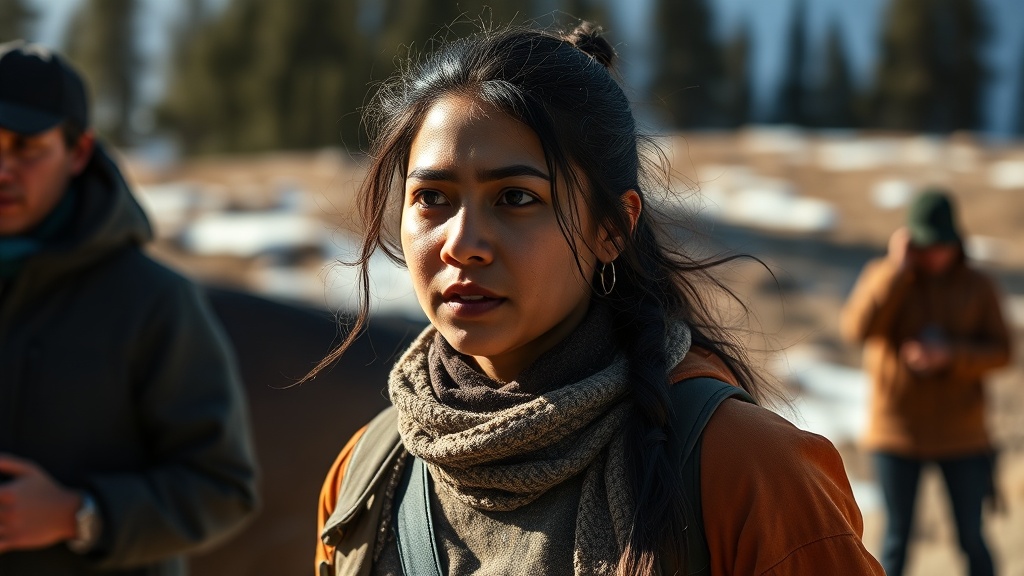
At the 2026 Sundance Film Festival, ‘The Huntress (La Cazadora)’ captivated audiences with a poignant exploration of violence against women, particularly in the context of Ciudad Juárez, Mexico. This gripping narrative centers on Luz, a working mother who confronts the pervasive threats of violence in a city notorious for its brutality towards women. The film, inspired by real-life events, illustrates Luz's emotional journey through fear, rage, and resilience as she navigates a world fraught with danger and systemic neglect.
Written and directed by Suzanne Andrews Correa, ‘The Huntress’ marks a significant milestone for the filmmaker, who is an award-winning alum of Sundance’s shorts program. Correa’s feature film debut at this year’s festival reflects a powerful narrative that resonates deeply with many women. In a post-screening discussion, Correa expressed her intention to shed light on the realities faced by women in Ciudad Juárez, where violence has persisted for decades with little accountability. The film not only highlights the trauma experienced by Luz but also the looming threat of violence that her teenage daughter must face, a chilling reality for many.
Adriana Paz, who takes on the role of Luz and also serves as an executive producer, felt a strong connection to the project from its inception. “Reading the script, even in its early drafts, I knew I had to be involved,” Paz stated. She emphasized that while her personal experiences may not mirror those of her character, the universal experiences of women regarding harassment and violence provided a profound emotional connection to her role.
“I think all women can relate to the feeling of being a victim of some form of harassment or unwanted attention,” Paz noted. As she prepared for the role, she engaged in deep conversations about personal experiences with other women, revealing the pervasive nature of these issues. “It became clear how much goes unspoken. Naming these patterns is part of undoing the silence that allows them to persist,” she explained.
The film's reception at Sundance was marked by an overwhelming sense of empathy, particularly among female viewers. Paz noted that post-screening discussions felt like a collective moment of acknowledgment, where women shared their own stories. She recounted heartwarming encounters with women from various backgrounds who approached her, expressing how deeply the film resonated with them. “Many men also approached me, deeply moved,” Paz shared, recalling one man who suggested that the film should be seen by those who perpetrate violence to understand the suffering they inflict.
Paz hopes ‘The Huntress’ will spark awareness, empathy, and unity among audiences. She believes that the emotions elicited by the film—anger and sadness in the face of injustice—can foster understanding among men and create a sense of solidarity among women. “We’re learning to say no. To teach girls they don’t have to stay silent, and that there’s no shame in speaking out,” she emphasized. “The shame belongs to those who commit these acts.”
As the festival unfolds, ‘The Huntress’ stands out not only as a film but as a vital conversation starter regarding the normalization of violence against women. Paz expressed her hope that audiences will leave the theater with a sense of unity and a realization that they are not alone in their struggles. For many women, the film serves as a reminder of the importance of raising voices against violence and demanding change.
This year marks Paz's first experience at the Sundance Film Festival, an event she cherishes deeply. “I feel very fortunate to be here for its final edition in this location,” she said. The project for ‘La Cazadora’ was developed through Sundance’s labs, making the premiere at this festival particularly meaningful for her. “It feels like closing a circle—what was born here is now being shown here,” she added.
Paz values the festival setting for the genuine exchanges it fosters between filmmakers and audiences. The feedback she receives during post-screening discussions enriches her experience and reinforces the importance of storytelling in addressing social issues. “I wish the Q and As could last longer. I would love to sit and talk with everyone,” she remarked, highlighting the community aspect that Sundance embodies.
‘The Huntress (La Cazadora)’ will be available as part of the online festival programming through February 1, offering an opportunity for viewers to engage with this essential narrative. Tickets can be purchased at festival.sundance.org. As awareness continues to grow around the issues depicted in the film, Paz remains hopeful that it will inspire conversations and actions toward change in the fight against violence toward women.