Controversy Surrounds Bear River Massacre Plaque: A Call for Reexamination
Recent reflections on the Bear River Massacre site raise questions about historical representation and the stories being honored.
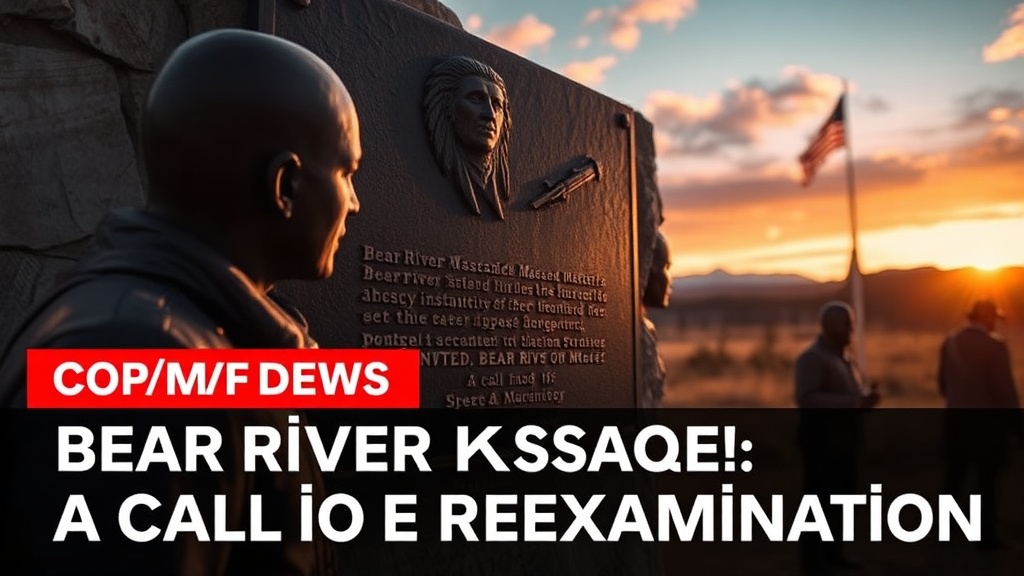
In a recent visit to the Bear River Massacre site near Preston, Idaho, a family experienced a profound moment of reflection on the tragic events that occurred there in January 1863. The massacre, which resulted in the deaths of nearly 400 Shoshone people, has long been a subject of historical debate, and the plaque honoring the event has sparked renewed discussions about which narratives are being honored and whose stories are being overlooked.
The Bear River Massacre remains one of the deadliest incidents in the history of the American West, yet it is often overshadowed in the broader context of American history. On January 29, 1863, U.S. Army troops, led by Colonel Patrick Connor, launched a surprise attack on a Shoshone winter encampment. The soldiers were ostensibly pursuing a campaign to subdue Indigenous resistance to westward expansion. However, the brutality of the attack, which included the killing of men, women, and children, has raised questions about the motivations behind the assault and the subsequent portrayal of the massacre in historical narratives.
The plaque at the site commemorates the military's actions, framing them as a necessary military endeavor. Critics argue that this representation fails to acknowledge the humanity of the victims and the context of their suffering. "It’s appalling whom the plaque at the site of the Bear River Massacre honors — and whom it doesn’t," stated a visitor who, alongside their family, expressed dismay at the lack of recognition for the Shoshone people.
Local Indigenous leaders and historians have long called for a more balanced interpretation of events that honors the victims and provides a fuller context of the massacre. They argue that acknowledging the suffering of the Shoshone people is essential for understanding the broader narrative of Indigenous history in the United States. "This site should be a place of healing, not just a marker of conquest," said one local tribal elder, who has been advocating for changes to the plaque.
In recent years, there has been a growing movement to reexamine historical markers that celebrate military victories while neglecting the stories of marginalized groups. The Bear River Massacre site is no exception. Historians stress that the portrayal of such events must evolve to reflect a more truthful account of history. They argue that recognizing the impact of these events on Indigenous communities is a crucial step toward reconciliation and healing.
Efforts to amend the plaque have met with resistance from some local officials, who argue that altering historical markers could lead to a slippery slope of revisionism. However, proponents of change contend that such actions are not about erasing history but rather about enriching it through a more inclusive perspective. "History is complex, and it deserves to be told from multiple viewpoints," said a historian specializing in Western American history. "Ignoring the pain and loss of those affected by such events does a disservice to everyone involved."
The call for a reexamination of the Bear River Massacre plaque is part of a larger conversation about how history is commemorated in public spaces. Across the United States, communities are grappling with issues of representation and the narratives that are prioritized in historical markers. The movement is particularly relevant in light of the Black Lives Matter movement and the increased scrutiny of monuments and plaques that celebrate figures associated with oppression.
As discussions continue around the Bear River Massacre, local leaders are seeking ways to engage the community in dialogue about history and its implications. Proposals for educational programs and community events aimed at fostering understanding and reconciliation are gaining traction. "We need to create spaces where voices can be heard, and stories can be shared," said a community organizer involved in the initiative.
In conclusion, the plaque at the Bear River Massacre site serves as a focal point for ongoing discussions about how history is represented and remembered. The tragic events of January 1863, and their lasting impact on the Shoshone people, deserve recognition and respect. As communities reflect on their histories, it is imperative that they honor all perspectives involved, paving the way for a more inclusive understanding of the past. The future of the plaque remains uncertain, but the conversations it has ignited are essential in shaping how history is remembered and taught for generations to come.