Controversial Utah Bill Targets Drag Performances and LGBTQ Expression
A proposed bill in Utah seeks to regulate drag performances, sparking controversy over LGBTQ rights and artistic expression.
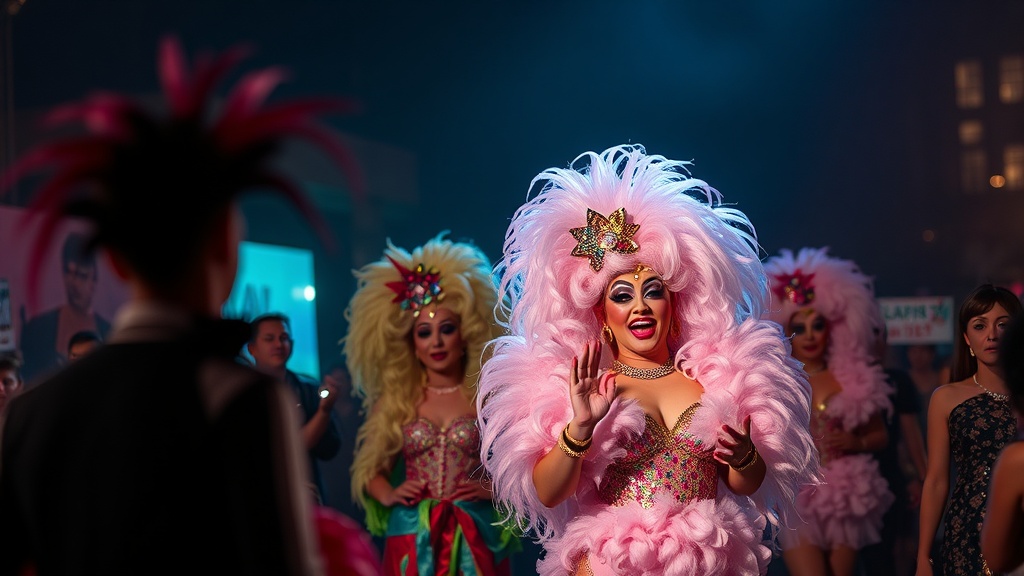
A proposed bill in Utah has ignited a heated debate surrounding the regulation of adult-oriented performances, particularly those involving drag shows and LGBTQ community expressions. The legislation, known as HB 278, aims to restructure existing laws and establish new criminal offenses related to performances deemed inappropriate for minors. Advocates and critics alike are voicing strong opinions as the bill advances through the legislative process.
Introduced by Republican Representative Kera Birkeland, the bill specifically targets performances that could be classified as adult-oriented and includes provisions that impose penalties for any violation of the new regulations. The proposal has raised alarms among LGBTQ advocates and performers, who argue that it could severely restrict artistic expression and target marginalized communities.
"This bill is a direct attack on our community and our right to express ourselves through art and performance," stated local drag performer, Alana Fierce, during a rally organized in opposition to the bill. Fierce emphasized that drag performances often serve as a safe space for LGBTQ individuals, offering a platform for self-expression and celebration of identity.
The bill's provisions include increased scrutiny over venues that host such performances, potentially subjecting them to criminal charges if they allow minors to attend events deemed adult-oriented. This aspect of the legislation has raised concerns among business owners, particularly those in the entertainment district of Salt Lake City, who fear the potential fallout from the new restrictions.
"We are not trying to harm children, but to create a welcoming environment for everyone," said Mark Franson, owner of a popular local nightclub. "This bill could put us out of business and diminish the diversity that makes our city special."
Supporters of the bill argue that it is necessary to protect minors from exposure to adult content, asserting that the growing prevalence of drag shows and similar performances could have negative impacts on young audiences. Representative Birkeland has stated, "We have a responsibility to safeguard our children from content that is not age-appropriate. This bill will help ensure that performances remain suitable for family audiences."
The debate has intensified as various advocacy groups have mobilized to protest the bill, organizing rallies, social media campaigns, and petitions. The Utah Pride Center, an organization advocating for the rights of the LGBTQ community, has been at the forefront of the opposition. They argue that the bill not only threatens artistic expression but also perpetuates stigma and discrimination against LGBTQ individuals.
In a statement, the Utah Pride Center noted, "We are deeply concerned about the implications of this bill. It sends a message that our community is not valued and that our voices do not matter. This is not just about drag performances; it’s about our right to exist and be seen in our full authenticity."
As the bill moves through the legislative process, it has garnered attention from national LGBTQ organizations, many of whom have expressed solidarity with Utah's LGBTQ community. The Human Rights Campaign, a prominent civil rights organization, released a statement condemning the bill, emphasizing that such legislation perpetuates harmful stereotypes and further marginalizes already vulnerable communities.
The implications of the bill extend beyond just the LGBTQ community. Critics argue that it sets a dangerous precedent for broader censorship of artistic expression across various mediums, including theater, music, and visual art. This concern is echoed by many artists and performers who fear that their work could be misinterpreted as adult-oriented, leading to legal repercussions and financial instability.
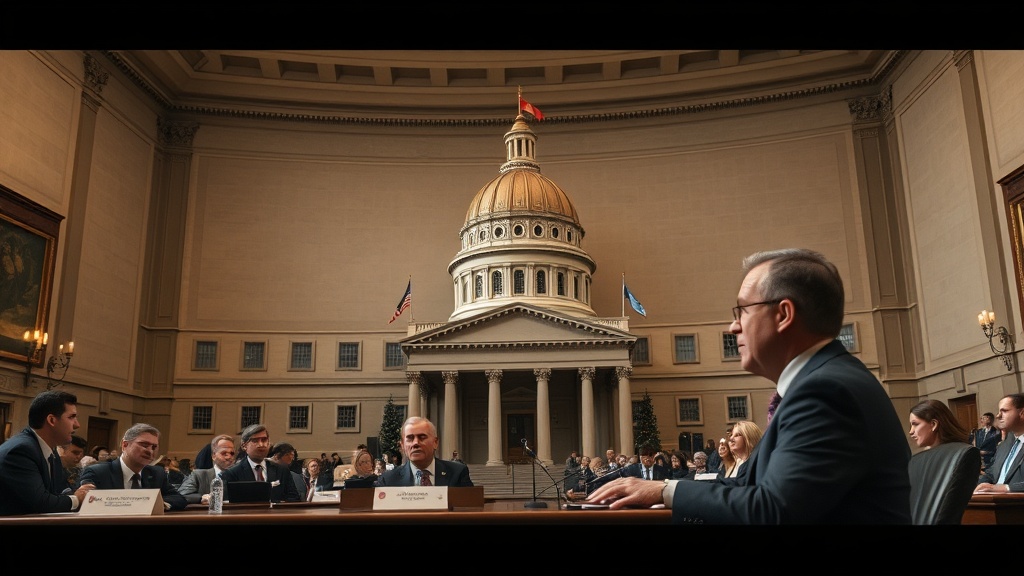
In response to the growing backlash, some lawmakers are calling for amendments to the bill that would provide clearer definitions and protections for performances intended for adult audiences. However, it remains to be seen whether these efforts will be successful, as the legislative committee continues to review the bill and hear public testimony.
As the debate unfolds, communities across Utah are left grappling with the potential impact of this legislation on their cultural landscape. Advocates for the bill argue it represents a necessary step in protecting children, while opponents contend it threatens the very fabric of artistic freedom and expression.
With public hearings scheduled in the coming weeks, both supporters and opponents of HB 278 are preparing to make their voices heard, underscoring the importance of community engagement in shaping legislation that affects the lives of many. The outcome of this bill could have lasting repercussions, not only for the LGBTQ community in Utah but also for the broader conversation around artistic expression and the rights of individuals to share their stories in a diverse and inclusive society.