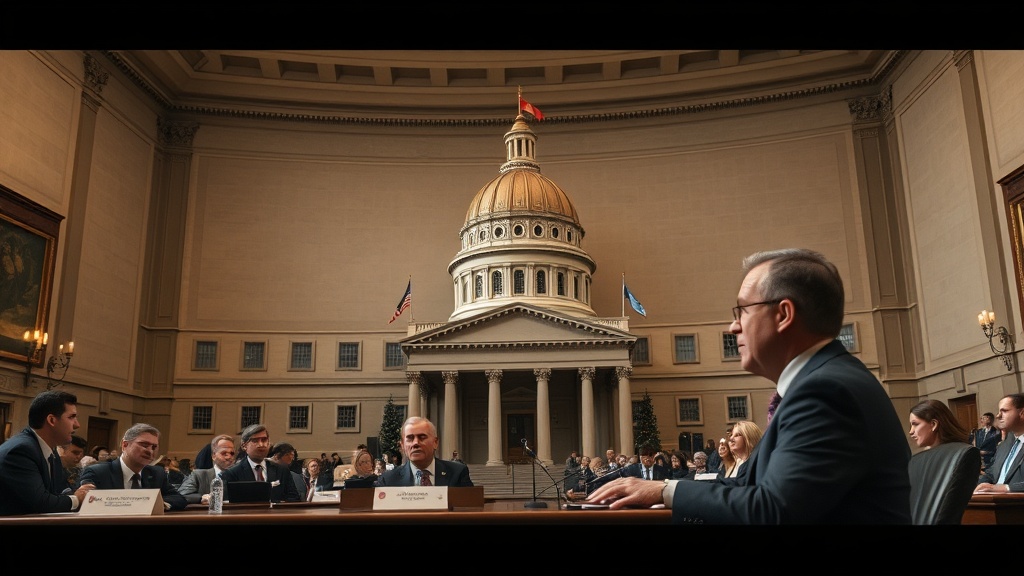
Congress Boosts Education Funding, Rejects Trump's Dismantling Efforts
Congress has increased funding for the U.S. Department of Education, defying Trump's efforts to cut the agency. This funding supports crucial programs for disadvantaged students.
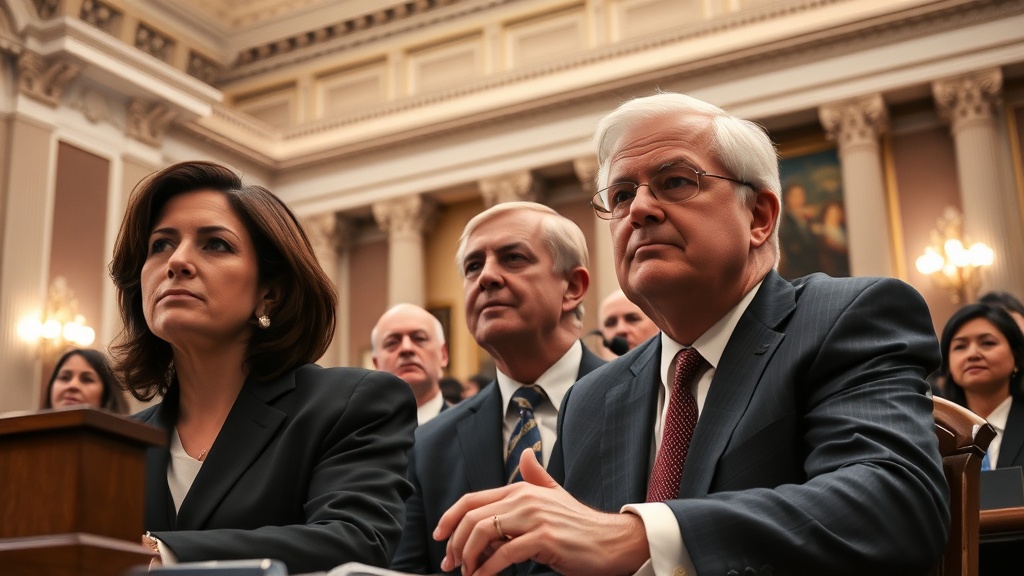
In a significant setback for President Donald Trump, Congress has enacted a spending law that not only maintains but increases funding for the U.S. Department of Education, countering the president's long-standing goal to abolish the agency. The funding package, signed into law on February 3, 2026, allocates $79 billion to the Education Department for the fiscal year, representing an increase of approximately $217 million over the previous year's budget and a striking $12 billion more than what Trump had proposed.
Senator Patty Murray, a prominent Democrat from Washington and the highest-ranking member of the Senate Appropriations Committee, emphasized the importance of this decision in a social media post following the signing. "Our funding bills send a message to Trump: Congress will NOT abolish the Department of Education," she declared, showcasing a rare moment of bipartisan unity against the president's education policy agenda.
The newly enacted spending package also explicitly rejects attempts to drastically cut or eliminate funding for various programs aimed at supporting low-income and disadvantaged students. This comes as part of Trump’s broader initiative to transfer education responsibilities back to the states, which he believes would streamline oversight. Over the past year, the Trump administration has made concerted efforts to dismantle the 46-year-old agency through proposals that included interagency agreements with other federal departments, aimed at shifting significant educational responsibilities away from the Education Department itself.
These efforts included a series of six interagency agreements made in November 2025, which intended to redistribute education-related responsibilities to various Cabinet-level departments. The aggressive downsizing initiatives saw significant staff layoffs initiated in March 2025, with Trump issuing directives aimed at substantially reducing the agency's size. The U.S. Supreme Court had briefly allowed these plans to proceed last July, further complicating the landscape for the Education Department.
Despite the president's ambitions, the funding law ensures comprehensive support for several crucial educational programs. The spending agreement upholds the Pell Grant maximum annual award at $7,395, a move that counters Trump’s proposal to cut this figure by nearly $1,700 for the upcoming fiscal year. The Pell Grant program is vital for low-income students seeking higher education, and the decision to maintain its funding reflects a commitment to accessibility in education.
In addition to the Pell Grant program, the funding package also preserves financial support for the Federal TRIO Programs and GEAR UP, both of which are designed to assist disadvantaged students in pursuing higher education. The appropriators allocated $1.191 billion for TRIO and $388 million for GEAR UP, maintaining funding levels from the previous fiscal year. This decision stands in stark contrast to the administration's earlier calls for defunding these vital programs.
Moreover, the Child Care Access Means Parents in School Program, which provides childcare services to low-income parents attending college, has been allocated $75 million in the new budget, countering the administration's proposal to eliminate its funding altogether. These provisions highlight Congress’s determination to support educational initiatives that serve the most vulnerable populations.
While the spending bill does not contain explicit language preventing the outsourcing of the Education Department’s responsibilities to other agencies, it does raise concerns among lawmakers. In a joint explanatory statement, they warned that transferring education responsibilities to agencies lacking the necessary expertise could lead to inefficiencies and additional costs for taxpayers. The statement expressed apprehension that such fragmentation would complicate the delivery of services to states and school districts, hindering the effectiveness of federal education funding.
To address these concerns, the legislation mandates regular briefings for lawmakers from the Education Department and the agencies involved in these interagency agreements. These briefings will provide updates on staffing transfers, implementation costs, and the effectiveness of service delivery metrics, ensuring that education programs remain a priority.
In conclusion, the recent funding law presents a clear rejection of President Trump’s efforts to dismantle the U.S. Department of Education, reaffirming the importance of federal support for educational initiatives. As Congress continues to navigate the complexities of education policy, this bipartisan action may serve as a pivotal moment in the ongoing debate over the role of federal oversight in the nation’s educational landscape. The Education Department did not respond to requests for comments on the funding package, but its implications are likely to resonate throughout the educational community as stakeholders adjust to these new funding realities.