Concerns Rise Over Utah Transportation Bill's Impact on Salt Lake City Streets
Advocates raise alarms over a Utah transportation bill that may infringe on Salt Lake City's control over its streets, sparking community concern.
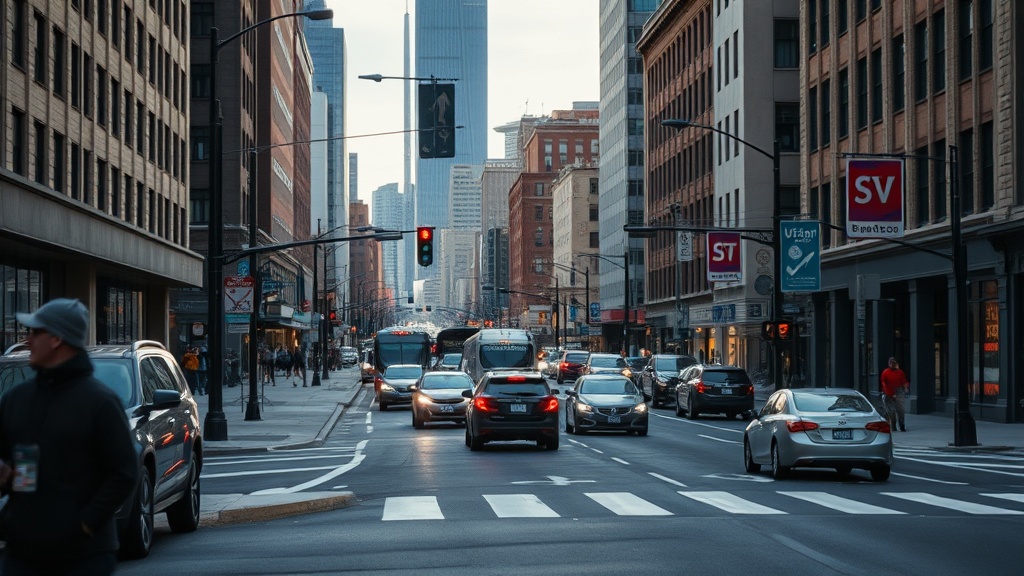
A recent provision in Utah's annual omnibus transportation bill has sparked significant concern among advocates for bicycle and pedestrian-friendly infrastructure in Salt Lake City. The bill, known as Senate Bill 242 and sponsored by Senate Transportation Committee Chair Wayne Harper, R-Taylorsville, has raised alarms about potential state overreach into the management of city roads. The advocacy group Sweet Streets is at the forefront of this concern, arguing that certain aspects of the bill appear designed to undermine local control over urban infrastructure, particularly regarding the newly established bus and bike lanes in the city.
Sweet Streets has mobilized its supporters to reach out to state lawmakers, urging them to oppose the controversial language in the bill. Julian Jurkoic, a representative of the group, emphasized the bill's targeted effect on Salt Lake City, stating, "This addendum to the bill doesn't go after any other city in Utah; it specifically targets Salt Lake City. It's trying to make us remove infrastructure that we've already built, that UDOT has already studied and found there is no noticeable increase in congestion, no negative effects."
One of the central issues of the bill is its requirement for the city to implement measures aimed at mitigating traffic impacts along key roads, including 300 West, 200 South, and 400 South. These streets have recently undergone significant changes, including the installation of dedicated bus lanes, which have reportedly improved public transit but created challenges for vehicle traffic. Senate President J. Stuart Adams, R-Layton, voiced his frustrations regarding the changes, stating, "Bus traffic worked great, but the car traffic was not working great."
In response to these concerns, Sen. Harper clarified his intentions, asserting that he does not aim to remove bike or bus lanes. He explained that the bill's language is meant to encourage a review of the infrastructure changes to ensure they do not adversely affect local businesses or traffic flow. "Mitigate can be a lot of factors. We've had people come up and say, 'Hey, the changes that have been done there negatively impact the access to my business.' Or we have another group that says, 'Hey, the signage to come into the parking lot is not clear anymore,'" he said.
Harper also stressed that he has been in discussions with Salt Lake City officials, who have shown a willingness to cooperate with the proposed review. "Nothing in here says they have to take it out," he remarked. "They just have to make sure it's not causing an impediment to the pedestrians, the bicyclists, or the drivers that would deteriorate safety. The intent is to make sure they go and look at everything."
The Salt Lake City Mayor's Office has responded to the bill's implications by affirming its commitment to monitoring and engaging in the legislative process, particularly concerning bills that could impact city operations and residents' values. The office stated, "The city strategically collaborates with bill sponsors, community partners, and fellow municipalities as legislation moves through the process."
Jurkoic, however, emphasized that the ongoing issue lies in Salt Lake City's autonomy over its transportation infrastructure. He articulated a broader concern regarding local governance, noting, "The concern I think largely is autonomy. We talk about self-governance, local control, and the state is trying to take that specifically again from Salt Lake City."
This is not the first time local residents have expressed dissatisfaction with state-level interventions in city affairs. Last year, a similar provision in the omnibus transportation bill mandated that Salt Lake City obtain state approval for various projects that could disrupt major arterial roads, igniting a backlash from residents and city officials alike.
Senate President Adams countered the notion that the bill unfairly targets Salt Lake City, arguing that the transportation issues addressed are relevant to all regions of Utah. "Not everyone that works in the capital lives in the capital," he pointed out, highlighting the importance of considering the needs of commuters from surrounding areas.
The discussion surrounding Senate Bill 242 has also seen input from Senate Minority Whip Karen Kwan, D-Taylorsville, who has called for greater stakeholder involvement in the legislative process. "There needs to be the stakeholders at the table, and they haven't yet been there. Some of them haven't yet been there," she remarked, suggesting that a more inclusive dialogue could lead to better outcomes for both the city and the state.
As the legislative session continues, the fate of Senate Bill 242 remains uncertain. Advocates for local control and transportation equity are closely monitoring developments, while state officials navigate the complex interplay of urban planning, traffic management, and community needs. The outcome of this bill could have lasting implications for how Salt Lake City manages its streets and infrastructure moving forward.