Concerns Mount Over Historic Grave Damage Amid Salt Lake City Cemetery Upgrades
Residents express concerns over potential damage to historic graves during a $14.5 million roadwork project at Salt Lake City Cemetery.
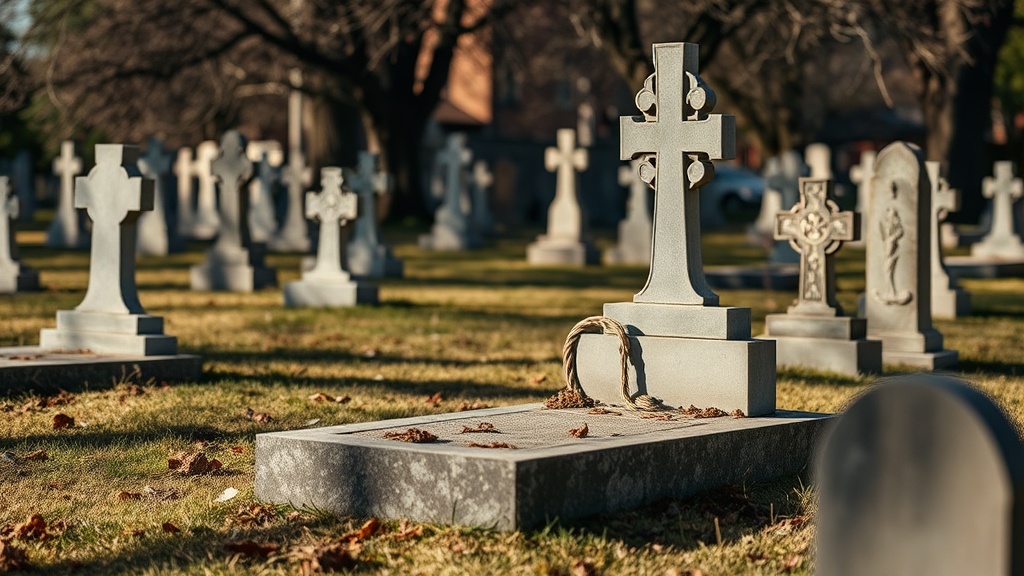
A $14.5 million roadway improvement project at the Salt Lake City Cemetery is raising alarms among residents and local historians who worry that construction activities might irreparably damage historic gravesites and burial grounds. The cemetery, established in 1848, serves as the final resting place for many notable figures in Utah's history, yet the planned improvements have sparked a heated debate over preservation versus modernization.
The project, which was initiated by Salt Lake City's Public Services Department, aims to enhance accessibility and safety within the cemetery, which has seen increased visitation in recent years. However, some residents fear that the heavy machinery required for the roadwork could disturb delicate burial sites and lead to the potential loss of historical artifacts. "This cemetery is not just a resting place; it’s a historical landmark with stories that deserve to be preserved," said longtime resident and cemetery advocate, Mary Johnson.
The roadway improvements include widening existing pathways, adding new routes for emergency vehicles, and improving drainage systems to protect the grounds from erosion and flooding. However, the scope of the work has led some to question the thoroughness of the planning process. Critics argue that the project has not sufficiently addressed the potential impact on graves, many of which date back over a century and are protected under local historical preservation laws.
Local historian John Smith expressed concern over the lack of communication from the city regarding the measures being taken to safeguard the graves. "We understand the need for infrastructure improvements, but it’s crucial that the city prioritize the preservation of our ancestral heritage," he stated. Smith has been actively researching the cemetery's history and noted that several sections of the cemetery contain unmarked graves, further complicating the project.
In response to the growing unease, city officials held a community meeting last week to discuss the project and address residents' concerns. During the meeting, Public Services Director Lisa Martinez assured attendees that the city is taking precautions to minimize any potential damage. "We are committed to preserving the integrity of the cemetery while also improving access for families and visitors," she said. Martinez highlighted that the construction teams would be working closely with historical preservation specialists to ensure that any impacts on gravesites are mitigated.
Despite these assurances, many residents remain skeptical. Some have called for a full archaeological survey of the site prior to the commencement of construction, arguing that such measures are essential to protect the historical value of the cemetery. "We need to take a step back and fully assess what we stand to lose before we proceed with any construction," urged resident and local activist, Tom Hargrove.
Moreover, the cemetery holds significant cultural and emotional value for many families in the community. It is not just a place for remembrance, but also a site of communal gatherings and celebrations of life. Residents worry that any potential damage could disrupt these traditions and erase important connections to their ancestors. "Every grave tells a story, and those stories deserve our respect and protection," said Hargrove, as he urged fellow citizens to voice their concerns to local government officials.
As the project moves forward, the city has committed to keeping the community informed and involved. Regular updates will be provided on the city’s website, and additional community meetings are planned to ensure that residents have a platform to express their thoughts and concerns.
In addition to the immediate worries surrounding the construction, there are broader implications for how public spaces are managed in urban areas. The tension between development and preservation is a pressing issue in many cities, and Salt Lake City is no exception. The outcome of this project could set a precedent for how future urban planning initiatives are approached in historically significant sites.
As the deadline for the project approaches, the city faces the challenge of balancing modernization with the preservation of cultural heritage. Residents and historians alike will be watching closely to see how the city navigates this delicate situation. The Salt Lake City Cemetery is more than just a burial ground; it is a vital part of the city’s history and identity, and the actions taken now will resonate for generations to come.