Calls for Evidence-Based Legislation Grow Amid Controversy in Utah
Scott Greenberg urges Utah lawmakers to ground legislation in scientific facts amid ongoing chemtrail debate.
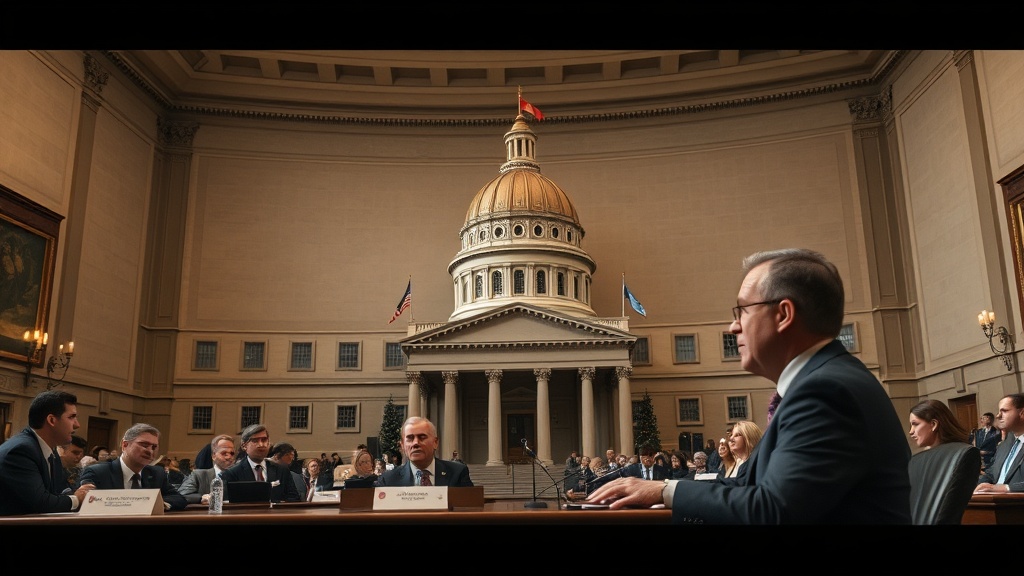
In a recent letter addressed to Utah State Senator Winterton, Park City resident Scott Greenberg expressed his concerns regarding the proposed Senate Bill 23, known as the Airborne Chemicals Amendments. This legislation has sparked debate among constituents, particularly those who prioritize evidence-based science. Greenberg, who participated in a meeting with the senator and his colleagues during a busy legislative session, felt compelled to share his thoughts on the implications of supporting legislation that appears to align with the controversial 'chemtrail' narrative.
In his letter, Greenberg articulated a fundamental worry: that legislation like SB 23 may inadvertently lend credibility to an unfounded conspiracy theory that has been widely debunked by scientific authorities. The bill is seen by some as a response to public fears surrounding environmental issues, yet Greenberg cautioned that it risks undermining public trust in legitimate science and the institutions dedicated to evidence-based reasoning.
The chemtrail theory posits that commercial airplanes are intentionally dispersing toxic chemicals into the atmosphere for the purposes of weather manipulation or climate control. This belief has gained traction among a vocal minority, often fueled by misinformation circulating on social media platforms. Greenberg underscored that the Environmental Protection Agency (EPA) and various scientific organizations have long clarified that contrails, the trails left behind by aircraft, are merely condensation trails formed when hot exhaust meets cold and humid air. Under certain atmospheric conditions, these trails can persist, but they do not indicate any form of chemical spraying.
Research indicates that the chemtrail conspiracy theory has intertwined with other misinformation narratives, encompassing fears related to technology, government control, and public health. Issues such as radiation, the influence of 5G technology, and vaccine skepticism often find common ground in these discussions. This interconnectedness amplifies public fears and can lead to widespread distrust of mainstream science and government institutions.
Greenberg acknowledged that many individuals who subscribe to these narratives do so not out of malice but rather in response to genuine anxieties about transparency and institutional trust. He emphasized the importance of elected officials distinguishing between addressing public concerns and inadvertently validating unsupported claims. His appeal to Senator Winterton was not merely to reconsider his sponsorship of SB 23 but to consult with atmospheric scientists and independent experts to ensure that any legislation advanced is grounded in sound scientific understanding.
The implications of passing legislation like SB 23 could be profound, particularly in an age where misinformed beliefs can easily proliferate through digital channels. As misinformation ecosystems continue to evolve, lawmakers face the challenge of maintaining public trust while addressing constituents' fears. Greenberg urged that Utah should remain a state where policy decisions are informed by rigorous science and critical thinking.
In conclusion, the ongoing discussion around SB 23 highlights a broader societal challenge regarding the intersection of science, public perception, and political action. As constituents like Greenberg engage in dialogue with their elected officials, the call for a more evidence-based approach to policy-making becomes increasingly relevant. Greenberg has expressed his willingness to engage further with Senator Winterton or his staff to foster constructive dialogue on this pressing issue. The hope is that Utah can navigate these complex discussions responsibly and with an unwavering commitment to factual evidence.
The discourse surrounding SB 23 and the chemtrail narrative serves as a reminder of the critical importance of grounding legislative efforts in established scientific truths. As the legislative session progresses, the outcome of this bill may well reflect not only the concerns of constituents but also the state's commitment to upholding the integrity of scientific inquiry in public policy.