BYU Football: Kalani Sitake Responds to Kyle Whittingham's Recruitment Efforts
BYU coach Kalani Sitake faces challenges from former Utah coach Kyle Whittingham's recruitment strategies, impacting local talent dynamics.
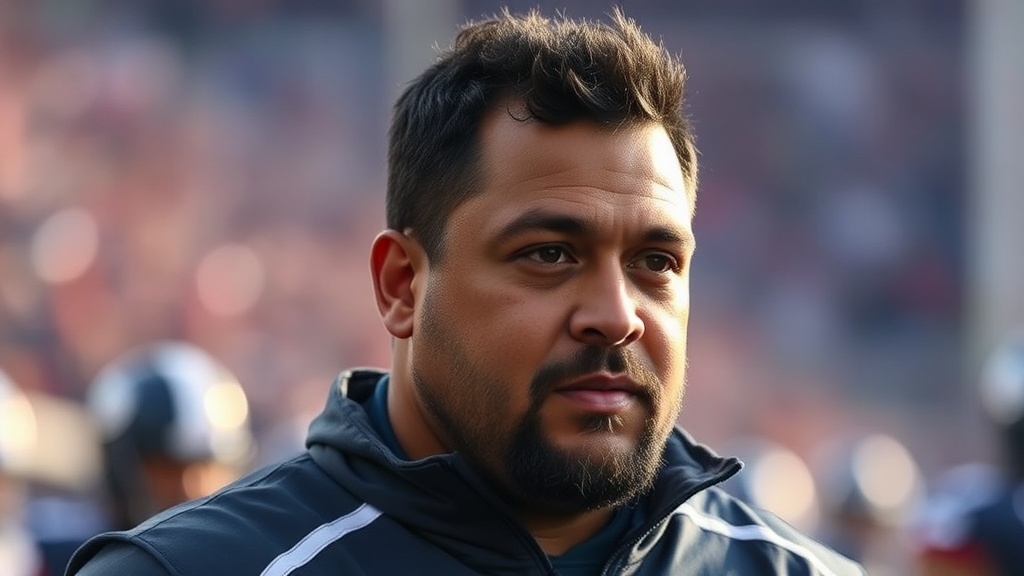
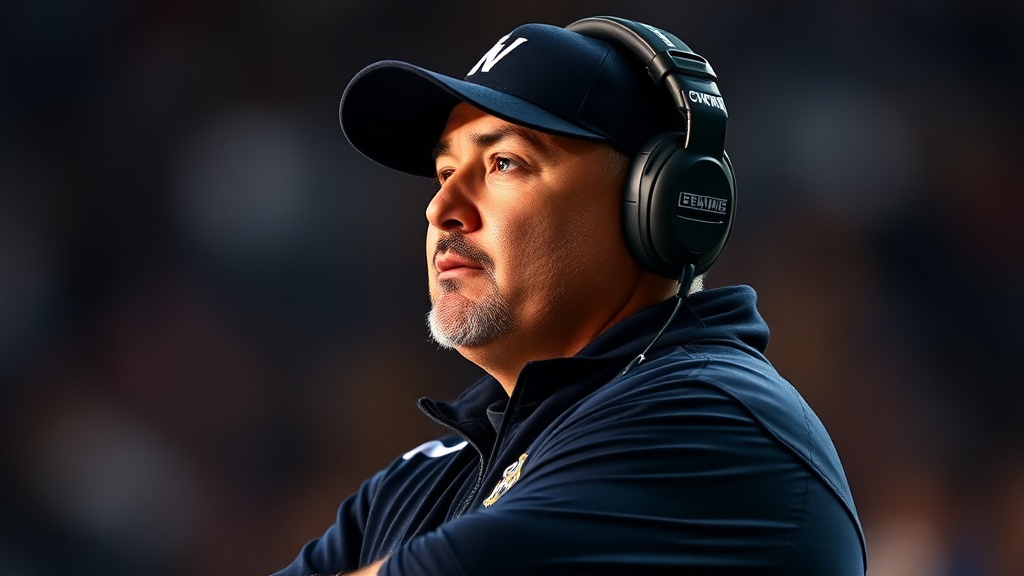
In Provo, Utah, the atmosphere is charged as Brigham Young University (BYU) football coach Kalani Sitake navigates the challenges posed by former University of Utah coach Kyle Whittingham’s recent recruitment strategies. Whittingham, known for his successful tenure at Utah, has made headlines by targeting several prospects that have traditionally considered BYU, raising concerns among fans and analysts alike about the potential impact on the Cougars’ recruiting efforts.
Sitake, who has been at the helm of BYU since 2016, emphasizes the importance of maintaining a strong recruiting base within the state, especially in light of the rivalry between the two schools. "We want to ensure that the best talent in Utah stays in Utah, whether that’s at BYU or somewhere else," Sitake stated during a press conference earlier this week. This statement highlights the competitive nature of recruiting in the state, where both programs have historically vied for the same pool of talented high school athletes.
Whittingham’s recent pivot towards BYU players has raised eyebrows, particularly after the Utes’ successful season, which culminated in a bowl game appearance. His coaching prowess and established reputation have made him a formidable adversary in the recruiting landscape. Several local high school coaches have noted a shift in interest among their players, with some openly expressing a newfound interest in Utah’s program.
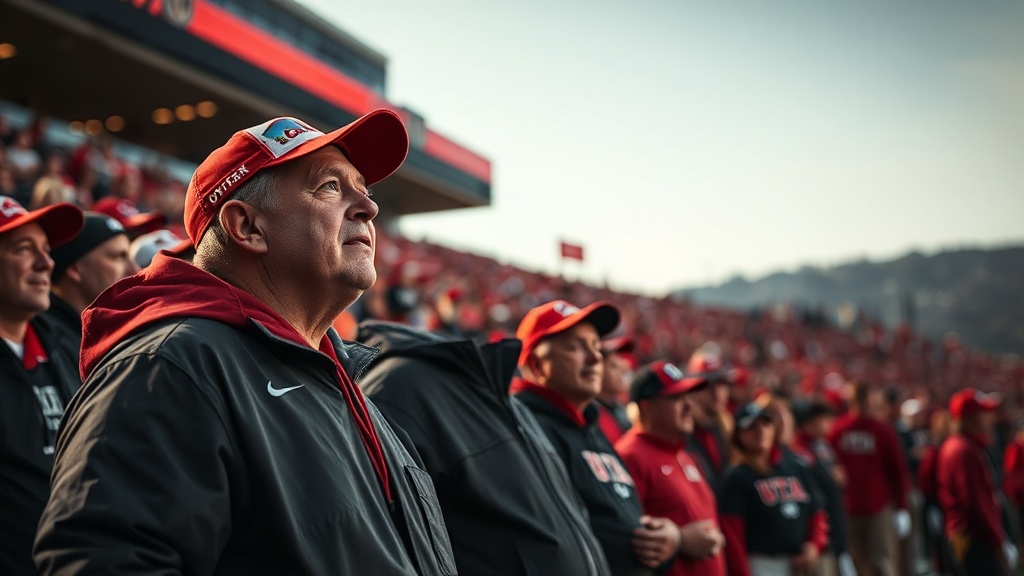
The stakes are high for both programs as they compete for top-tier recruits. The rivalry between BYU and Utah, often referred to as the "Holy War," not only fuels the passion of their respective fanbases but also influences the decisions of young athletes who are considering their collegiate futures. This year, several standout recruits have listed both BYU and Utah as top choices, making the recruiting battle particularly intense.
In response to Whittingham’s recruitment tactics, Sitake has doubled down on his commitment to BYU’s unique culture and the values that the institution represents. "We’re not just recruiting athletes; we’re recruiting young men who align with our values and mission as a university," Sitake said. His focus on character and integrity is a cornerstone of BYU’s recruiting philosophy, which he believes sets the program apart from its rivals.
Additionally, Sitake is enhancing his coaching staff and resources to better compete. Recent hires include experienced recruiters who have extensive networks in high school football across Utah. "We’re building a team that understands the local landscape and can connect with players on a personal level," Sitake noted. This strategic move aims to strengthen BYU’s presence in the community and keep the pipeline of talent flowing into the program.
Moreover, BYU’s recent transition to the Big 12 Conference has provided new opportunities and visibility for the program, allowing it to compete at a higher level and attract a broader range of recruits. "Joining the Big 12 has opened doors for us that we didn’t have before," Sitake commented. This elevation in status not only enhances the program’s appeal but also increases the stakes in the recruiting battle against Utah.
Despite the challenges posed by Whittingham's tactics, Sitake remains optimistic about BYU’s recruiting future. "We have a lot to offer young men who want to be part of a winning tradition and a community that supports them," he stated. The Cougars have made strides in recent seasons, and Sitake believes that continued success on the field will bolster their recruiting efforts.
As the recruiting landscape evolves, both BYU and Utah are adapting to the changing dynamics. Observers note that the rivalry is not just about football; it's about the future of college athletics in Utah. With local talent being the lifeblood of both programs, the competition will only intensify as they seek to secure the best athletes in the state.
In conclusion, Kalani Sitake's efforts to counter Kyle Whittingham’s recruitment strategy reflect a broader narrative of college football in Utah, where rivalry, tradition, and ambition converge. As both coaches strive to build successful programs, the implications for the future of BYU and Utah football remain significant. The outcome of this recruiting battle could shape the trajectory of both programs for years to come, making the stakes even higher as they head into the next recruiting cycle.