Avalanche Danger Escalates in Northern Utah Mountains Amid Heavy Snowfall
Northern Utah faces heightened avalanche risks as winter storms create dangerous conditions in the mountains, prompting urgent safety warnings.
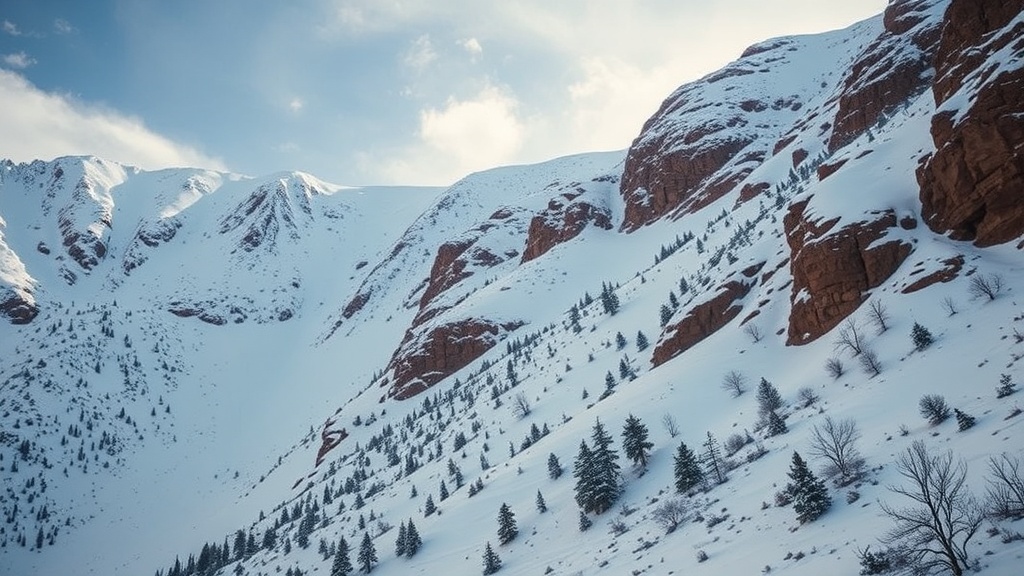
As winter storms continue to blanket northern Utah in heavy snowfall, the Utah Avalanche Center has issued urgent warnings regarding dangerous avalanche conditions developing across the region's mountainous terrain. The center has classified these conditions as presenting considerable to high avalanche danger, particularly affecting popular recreational areas such as the Wasatch Ridge, Bear River Range, and the Western Uinta mountains.
The warnings come in the wake of significant snowfall combined with strong winds that have created a precarious snowpack. Avalanche conditions are expected to remain hazardous throughout the week, with both human-triggered and natural avalanches anticipated. The center reports that recent storms have led to the formation of a weak layer in the snowpack, which makes it increasingly likely for avalanches to occur.
On Friday, a disturbing incident underscored the seriousness of the situation when two riders were buried in an avalanche near Brighton. Fortunately, they were rescued, but the event serves as a stark reminder of the dangers that can arise in backcountry skiing and snowboarding. The Utah Avalanche Center is actively seeking information from any skiers who might have been in the area and survived being buried without reporting the incident. This information is crucial for understanding avalanche behavior and improving safety measures.
Avalanche experts have noted that "tree snapping" avalanches, which can reach depths of up to six feet, are currently a significant threat. These types of avalanches typically occur in areas with dense tree cover, where the snowpack can become unstable due to shifting weight and moisture. Skiers and snowboarders are urged to stay vigilant and informed about the risks associated with backcountry travel in these conditions.
In light of these developments, the Utah Avalanche Center has provided several safety recommendations for anyone planning to venture into the backcountry. First and foremost, individuals should carry avalanche rescue equipment, including a beacon, shovel, and probe, and must be proficient in using this equipment. Additionally, travelers are advised to avoid steep slopes—particularly those facing west to north to east at mid and upper elevations—where the risk of triggering an avalanche is heightened.
Traveling with a partner is another critical safety measure; not only does it enhance overall safety, but it also ensures that assistance is readily available should an emergency arise. Furthermore, the center recommends that individuals inform others of their travel plans, providing details about their intended routes and expected return times. This information can be vital in case of an accident, facilitating a timely rescue.
The Utah Avalanche Center also emphasizes the importance of education and awareness. Avalanche safety courses are available for those interested in expanding their knowledge about avalanche dynamics, rescue techniques, and safe travel practices in avalanche-prone areas. Understanding the signs of unstable snowpack and recognizing dangerous conditions can be lifesaving.
As winter progresses, the risk of avalanches is expected to fluctuate depending on weather patterns and human activity in the mountains. The Utah Avalanche Center closely monitors conditions and issues daily updates to keep the public informed. Those who plan to enjoy the winter landscape are encouraged to check these updates regularly and to heed any warnings issued by local authorities.
In conclusion, while the allure of the snowy peaks of northern Utah may be irresistible to outdoor enthusiasts, the dangerous avalanche conditions necessitate a cautious and informed approach to backcountry travel. By following the guidance of the Utah Avalanche Center and prioritizing safety, adventurers can reduce their risk and enjoy the winter wilderness responsibly. The combination of knowledge, preparedness, and communication is essential for navigating the beauty and challenges of the winter mountains safely.