Asylum Seekers' Challenges Intensify Under New Third-Party Country Policy
Immigration attorney Jonathan Bachison warns that asylum seekers face increased challenges due to new policies diverting them to third-party countries.
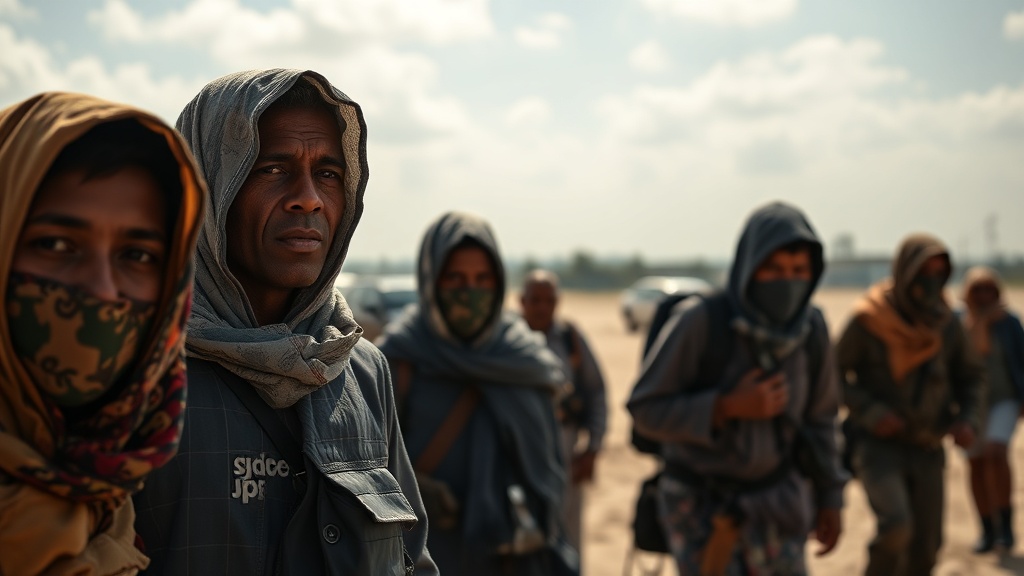
In a concerning development for asylum seekers in the United States, immigration attorney Jonathan Bachison from Ogden has raised alarms about the diminishing chances of individuals like the Kohistani brothers, who fled Afghanistan in 2023, successfully securing asylum. This decline in prospects is largely attributed to a controversial policy that diverts asylum seekers to third-party countries, complicating their already arduous journey toward protection in the U.S.
Bachison, who has been practicing immigration law for several years, emphasized that individuals with legitimate and potentially winnable asylum cases are now facing increased hurdles due to this policy. "There's a significant national case concerning a man from El Salvador, referred to as the Abrego case, in which the government is attempting to deport him to Uganda under this agreement. This is not just an isolated incident; it signals a broader trend affecting all asylum seekers who arrived since 2019," Bachison explained in a recent Zoom interview.
The implications of this policy are profound, as it not only affects the Kohistani brothers but also thousands of others who have sought refuge in the United States. Many of these individuals have fled violence, persecution, and instability in their home countries, seeking safety and a new beginning. However, the new directive mandates that they must navigate the asylum process through third-party nations, which may lack the same legal protections or resources available in the U.S.
Bachison's insights also shed light on the overwhelming backlog within Utah's immigration court system, which has reached critical levels. "The situation is dire. Previously, we had five immigration judges available to handle cases, but now we are down to just two judges for an estimated 50,000 pending cases. This creates an impossible workload for the remaining judges, who are struggling to keep up with the influx of cases," he said. This backlog not only delays justice for many asylum seekers but also heightens their anxiety and uncertainty about their future.
In a slight development toward alleviating this crisis, news emerged today that Utah is set to receive an additional immigration judge, raising the total to three judges for the staggering 50,000 cases. While this increase may provide some relief, it is still a far cry from what is needed to address the overwhelming demand for legal adjudication in the state.
The attorney outlined the implications of the so-called "DOGE" cutbacks that occurred last year, which significantly hampered the immigration court's ability to function efficiently. Bachison argued that rather than allocating substantial funds to Immigration and Customs Enforcement (ICE), the government should prioritize financial support for the immigration court system. This reallocation could provide the necessary resources to process the mounting backlog of cases that remain unresolved for years.
Asylum seekers, like the Kohistani brothers, often find themselves caught in a web of bureaucratic challenges, legal complexities, and emotional turmoil. Many have already experienced significant trauma before arriving in the U.S., and the prospect of being sent to a third-party country adds another layer of distress. The fear of not being granted asylum, coupled with the uncertainty of their future, can be overwhelming for these individuals who have already endured so much.
As the situation evolves, advocacy groups and immigration attorneys are calling for reform and greater transparency within the asylum process. They argue that the right to seek asylum is a fundamental human right that should be protected, not obstructed by policies that divert people away from safe havens where they can rebuild their lives. The challenges facing asylum seekers in the U.S. are becoming increasingly complex, with legal, systemic, and humanitarian implications that demand urgent attention.
In conclusion, the plight of asylum seekers in Utah and across the country is growing more precarious due to the implementation of the third-party country policy. As legal representatives like Jonathan Bachison continue to fight for their clients’ rights, the urgent need for systemic reform within the immigration court system remains evident. The voices of those seeking refuge must not be silenced; rather, they deserve a fair chance at a new life free from fear and persecution. The future of many hangs in the balance as the immigration landscape continues to shift, prompting a necessary dialogue about the treatment of asylum seekers and the policies affecting their journeys toward safety.