AI Voice Replication in Joyce Yost Murder Case: A Legal First
Weber County prosecutors propose using AI to replicate Joyce Yost's voice in Douglas Lovell's murder trial.
Weber County prosecutors are exploring the use of artificial intelligence to replicate Joyce Yost's voice in the ongoing murder case against Douglas Lovell. This initiative comes as part of the third attempt to apply the death penalty in Lovell's 1985 murder case, marking a potential first in U.S. courtrooms for using an AI-generated voice as testimony.
Lovell, now 67, is accused of murdering Yost to prevent her from testifying against him in a rape and aggravated kidnapping trial. A motion filed by Deputy Weber County Attorney Branden Miles outlines the intent to restore Yost's voice in court, stating, "This motion seeks to give Joyce Yost back something the defendant took from her: Her voice against her rapist and killer."
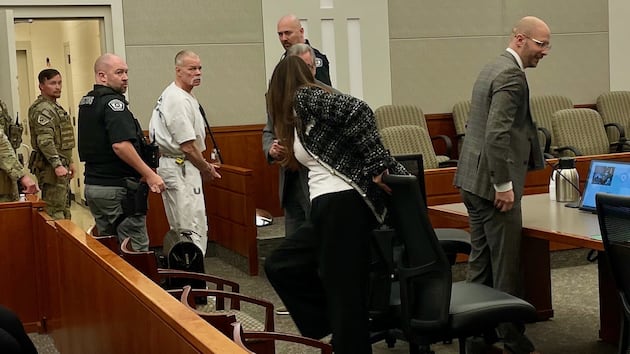
The motion was discussed during a recent hearing in 2nd District Court in Farmington, although Judge Michael DiReda has yet to make a ruling. Lovell's defense team has requested additional time to study the AI technology used to produce the voice and to prepare for questioning the prosecutor's office about the process.
David Ferguson, one of Lovell's attorneys, expressed caution about the new technology, noting their need for an expert witness to understand the implications of using AI-generated testimony. Lovell was previously convicted of aggravated murder in 2015 and sentenced to death, but the Utah Supreme Court vacated that sentence last year, citing issues with testimony presented during the sentencing phase.
New sentencing hearings are planned for August and October next year, as Weber County prosecutors aim once again for the death penalty. Lovell's new legal team, including attorneys Julie George and Ferguson, is working to familiarize themselves with the case, following the withdrawal of Lovell's previous attorney due to communication issues.
Jamie Pitt, a court technology specialist, has been instrumental in creating Yost's AI-generated voice. She testified that the technology can replicate timing, tone, pitch, and inflections of voices, using recordings of Yost to train the AI. After reviewing the produced audio, Yost's children and an investigator affirmed its authenticity.
The use of Yost's voice aims to enhance juror understanding and preserve the emotional weight of her words, according to the motion filed by Miles. The hearing to discuss the use of this technology will continue in February next year, as Lovell's case remains complex and ongoing, with its roots stretching back over 40 years.