Advocates Push for Gender Equality in Nordic Combined Ahead of 2030 Olympics
A growing movement advocates for gender equality in Nordic combined ahead of the 2030 Olympics, as women remain excluded from the sport.
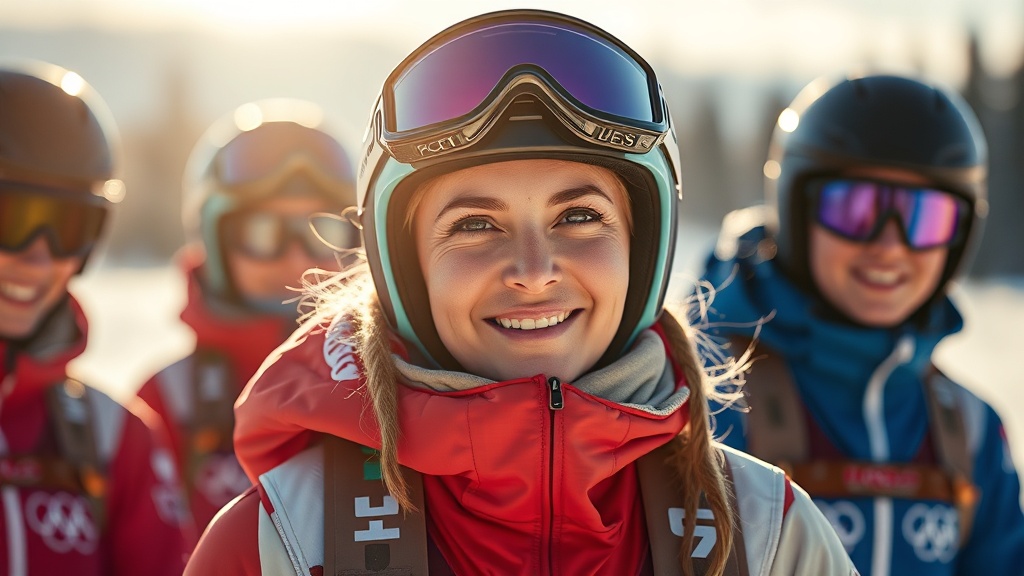
As the world gears up for the 2030 Winter Olympics, a growing call for gender equality in the sport of Nordic combined highlights a significant disparity that has persisted for over a century. Despite its inclusion in the Olympic Games since 1924, women have yet to compete in this challenging sport, which combines ski jumping and cross-country skiing, both of which test an athlete's endurance and skill to the maximum. This situation has drawn considerable attention and criticism, prompting advocates to seek change in order to allow female athletes the opportunity to showcase their talents at the highest level.
Nordic combined has often been described as one of the most demanding sports due to its unique combination of skills required. According to Outside Magazine, the sport was born from a question posed by Norwegian sports enthusiasts: "What are the two hardest sports in the world?" The answer led to the melding of ski jumping, which requires explosive power and agility, with skate skiing, known for its demand on muscular endurance. The competition format awards points for both distance and style in ski jumping, which ultimately determines the staggered start for the cross-country race.
Currently, the competition remains male-dominated, with only men competing in the Olympics. While women can participate in World Cup events, and compete on the same jumps and trails as their male counterparts, they are excluded from the Olympic stage. This exclusion has raised significant concerns about gender equity in sports. As the International Olympic Committee (IOC) considers the future of the Nordic combined event, there is speculation that the sport may be discontinued entirely unless it can demonstrate broader appeal and increased participation.
The IOC has cited a lack of diversity and low broadcast ratings as reasons for its hesitance to include women in Nordic combined events. This has led to a grassroots movement advocating for change. Proponents argue that adding a women's division would not only enhance the sport's visibility but also align with the global movement toward gender equality in athletics. The urgency of this matter is heightened by the IOC's comments suggesting that the future of Nordic combined could hinge on the inclusion of female athletes.
To address the gender imbalance in Nordic combined, activists have launched several initiatives aimed at garnering support for female participation. One of the most prominent efforts is a petition available on Change.org titled "No Girls, No Olympics," which seeks to rally public support for the inclusion of women in the sport. By signing this petition, supporters aim to send a clear message to the IOC that there is substantial interest in women's Nordic combined, and that parity is essential for the sport's growth and sustainability.
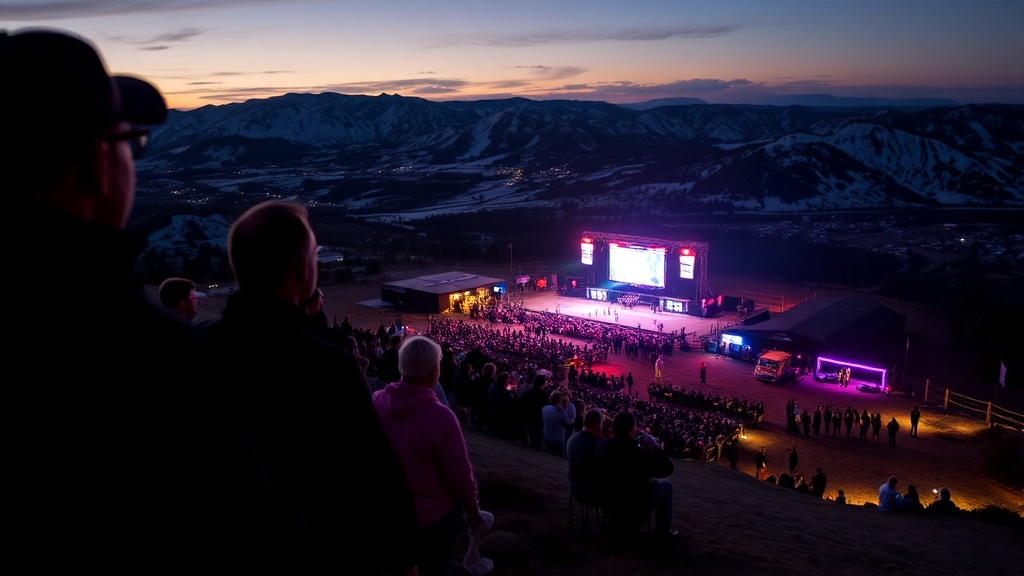
In addition to the petition, advocates are encouraging sports fans to engage with Nordic combined events through social media and viewership. Upcoming events are scheduled for February 11, 17, and 19, and supporters are urged to host watch parties to demonstrate the sport's popularity. By increasing visibility and fan engagement, advocates hope to underscore the demand for women's participation in the sport. Social media platforms such as Instagram, TikTok, and Facebook are also being utilized to promote awareness and share stories of female athletes who aspire to compete in Nordic combined.
One of the inspiring figures in this movement is U.S. athlete Annika Malacinski, who has produced a documentary titled "Where She Lands" that chronicles her journey and the challenges faced by women in the sport. The documentary aims to shed light on the systemic barriers that prevent female athletes from competing at the Olympic level, and it serves as a powerful tool for advocacy.
As discussions around gender equality in sports gain traction, the case for women's participation in Nordic combined becomes increasingly compelling. The sport's legacy, coupled with a modern understanding of equality, calls for an end to the exclusion of female athletes. The IOC's decision on the future of Nordic combined for the 2030 Olympics could set a precedent for other sports and contribute to a broader movement for gender equality in athletics.
In conclusion, the push for women's inclusion in Nordic combined is not just a local or national issue; it resonates globally as part of a larger fight for equality in sports. As the 2030 Olympics approach, the spotlight on Nordic combined will continue to grow, and the advocacy efforts of athletes, fans, and supporters will be crucial in shaping a more inclusive future for the sport. The message is clear: it's time for women to take their rightful place in Nordic combined, ensuring that the sport reflects the diversity and talent of all athletes.