Zion National Park Sees Sharp Drop in Visitors After MLK Day Fee Changes
Zion National Park experiences a sharp decline in visitors after the elimination of free MLK Day admission, affecting locals and businesses alike.
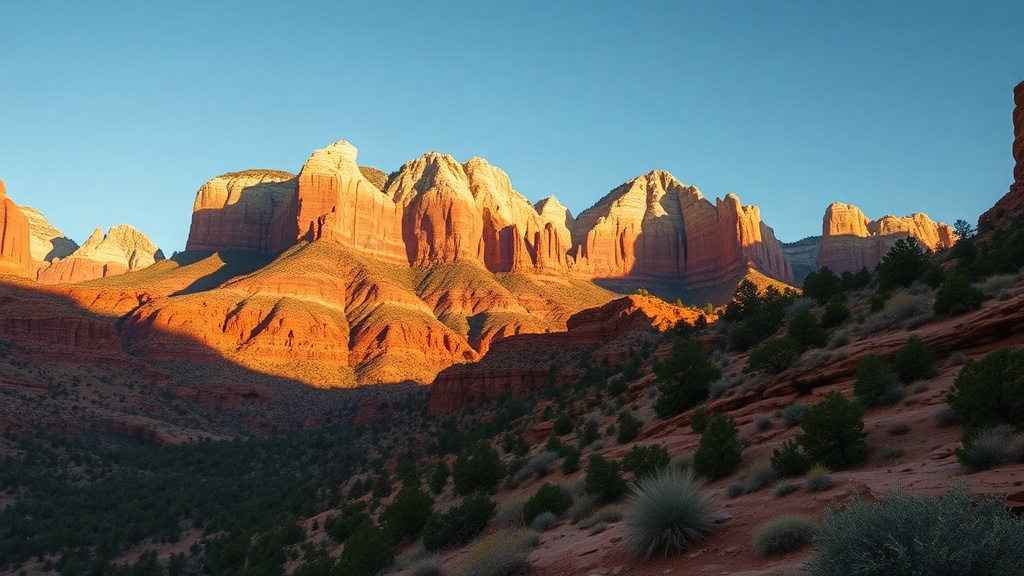
Springdale, Utah — The first Martin Luther King Jr. Day without free entry to Zion National Park in nearly three decades resulted in a significant decline in visitor numbers, highlighting the impact of recent federal policy changes on one of Utah's most popular natural attractions. Traditionally observed as a fee-free day since 1998, this year’s holiday transformed into a standard admission day following a decision made by the White House to amend the list of free admission days for national parks.
Previously, Martin Luther King Jr. Day was included among several days each year when visitors could enter national parks without an admission fee. However, the Trump administration's adjustments removed this holiday from the list, alongside Juneteenth, while adding alternative free days such as Theodore Roosevelt's birthday and a combination of Flag Day and President Trump's birthday on June 14.
The implications of this change were apparent at Zion National Park, where the parking lot remained largely empty throughout the day. Local resident Ben Delbert and his friend, both eager to enjoy a day off hiking in the park, turned around at the entrance upon discovering the $35 fee for vehicle entry. "Yeah, for free, that's exactly what we were trying to do," Delbert expressed, reflecting the disappointment shared among many locals who had anticipated a day of free access to the park.
Koko Weems, a frequent visitor from Salt Lake City, noted, "I've never seen the park so quiet. Even during the government shutdown, it wasn't this slow. That's the least people I've seen here since the 1980s." Her observations were echoed by other visitors who were shocked by the unusually low turnout. Melinda Wilson, visiting from the Navajo Nation in Arizona, remarked, "I'm surprised there's hardly anyone here," while Jessica Limpasert from Las Vegas described the scene as "surprisingly emptier" than she had expected for a holiday.
In stark contrast to the bustling crowds typically seen during holiday weekends, the pedestrian entrance to Zion saw minimal foot traffic, with only eight people entering within a 15-minute observation period. This sharp decline in visitors was particularly evident among international tourists; among a dozen people interviewed, only two were from outside the United States. The new fee structure now requires non-U.S. residents to pay an additional $100 on top of standard fees, further deterring foreign visitors during a holiday weekend.
Interestingly, a loophole appeared to allow some visitors to bypass the admission fee altogether. Reports indicated that the pedestrian entrance was unstaffed, enabling several individuals to enter the park without paying, while the vehicle gate was fully staffed with rangers checking for admission passes. Weems pointed out, "There's no one at the booth for pedestrians. They’re where the cars have to drive through, so they’re obviously taking passes there." This oversight raised questions about park management and the enforcement of admission policies, particularly during a time of significantly reduced visitation.
Despite the challenges posed by the fee changes, those who did enter the park—whether by paying the required fees or slipping through the unmonitored entrance—were treated to a rare opportunity to explore the stunning landscape largely unencumbered by crowds. Mike Ortiz, another visitor from St. George, shared his sentiments: "We had a free day, no work, and we just wanted to be in the open space and see the land."
The economic ramifications of the reduced visitor numbers were also felt by local businesses in Springdale, the gateway town to Zion National Park. Business owners reported fewer customers than usual during the January holiday, with empty tables at popular establishments like the Zion Brewery contrasting sharply with the bustling atmosphere of previous years. Although many business owners declined to comment on camera, they confirmed that the drop in attendance had adversely affected their operations, further emphasizing the interconnectedness of the park's visitation patterns and the local economy.
As Delbert and other locals departed the park disappointed after encountering the entrance fee, he lamented, "Yeah, we’re locals. That’s what hurts the most is we’re local." This sentiment encapsulates the broader feelings among residents and frequent visitors who had long taken advantage of the park’s free admission policy on Martin Luther King Jr. Day. The changes made by the federal government not only impacted the number of visitors but also altered the experience of those who cherish Zion National Park as a treasured resource.
As the park moves forward, it remains to be seen how these policy changes will influence future visitation rates and the ongoing relationship between the park and its local community. The decision to eliminate free admission on such a significant day raises critical questions about accessibility and the importance of maintaining national parks as places for public enjoyment and reflection, particularly on holidays that commemorate civil rights and equality.