Western States Approve Plan to Transport Canadian Radioactive Waste to Utah
Western states have approved a plan to transport Canadian radioactive waste to Utah, raising safety and environmental concerns.
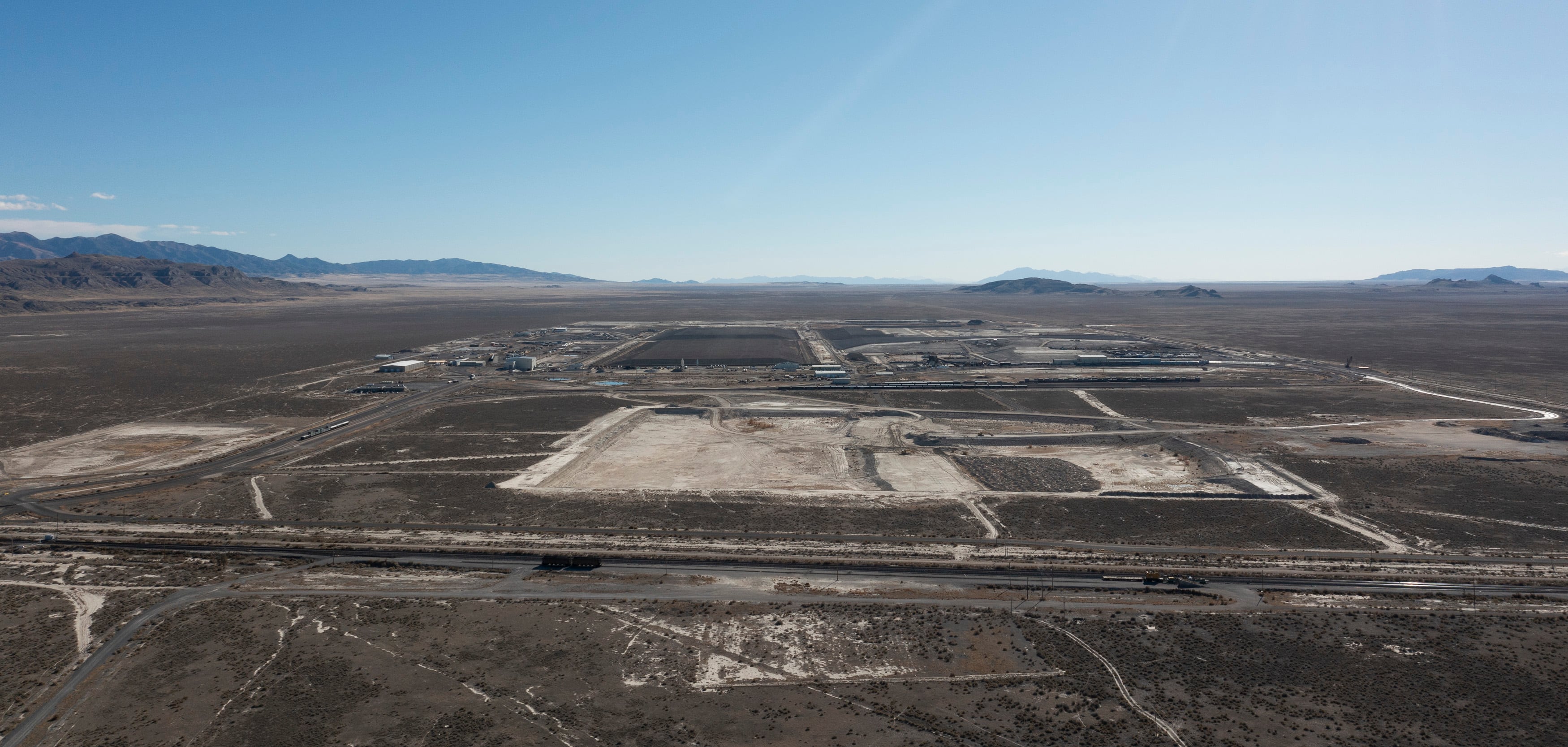
In a significant decision, western states have approved a controversial plan to transport radioactive waste from Canada to a facility in Utah. The plan, which has been met with scrutiny and concern from local communities and environmental groups, aims to address the management of nuclear materials. The waste, which is produced as a byproduct of various industrial processes, raises safety and environmental concerns due to its hazardous nature.
The approval comes after extensive discussions among state officials and stakeholders regarding the logistics of the transportation and storage of the waste. Proponents of the plan argue that transporting the waste to Utah will ensure its safe management, as the state has facilities designed to handle such materials. They highlight the importance of having a structured process in place to manage radioactive waste effectively, reducing potential risks associated with improper disposal.
However, opponents express serious concerns about the transportation process, citing the risks involved in moving radioactive materials across state lines. They argue that accidents during transit could have catastrophic consequences for communities along the route. Environmental advocates have called for more stringent regulations and oversight to ensure the safety of both the transportation process and the eventual storage of the waste in Utah.
State officials have emphasized that the transportation plan will adhere to all federal and state safety regulations. They have also pointed out that the site in Utah has been specifically designed to securely store radioactive waste, mitigating many of the risks associated with such materials. The discussions surrounding this plan are expected to continue as stakeholders seek to address the concerns raised by various groups.
As the plan moves forward, it will likely face further scrutiny and debate, especially from local residents who are apprehensive about the implications of having Canadian radioactive waste transported into their state. The approval represents a significant step in the ongoing discussions about how best to manage nuclear waste in North America, highlighting the complexities and challenges involved in such decisions.