Venezuelan Population Surges to Second-Largest Latino Group in Utah
Venezuelans become Utah's second-largest Latino group, reflecting a growing community amid political turmoil in their homeland.
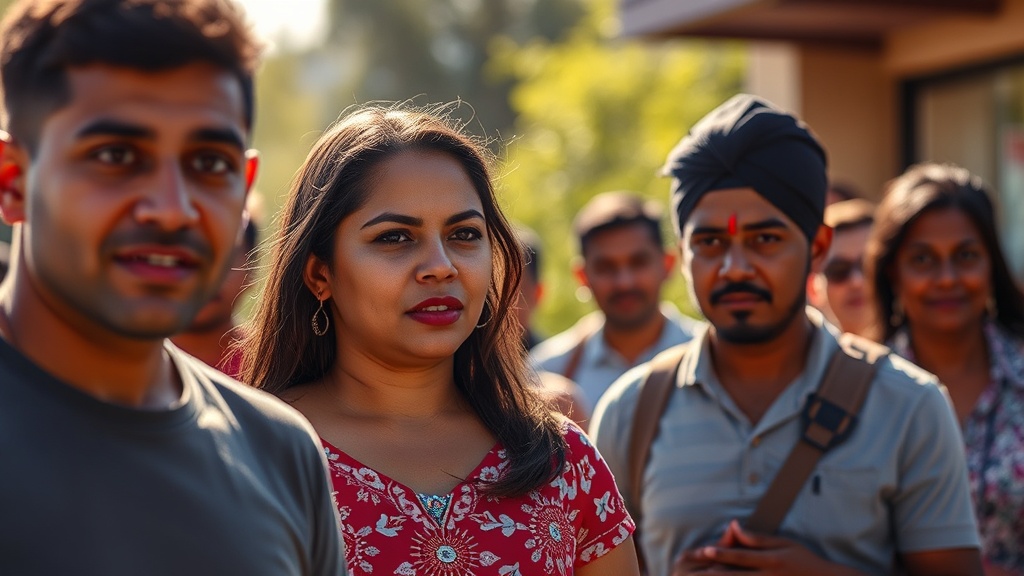
In a significant demographic shift, Venezuelans have now emerged as the second-largest Latino subgroup in Utah, trailing only the Mexican community. This transition marks a notable change in the landscape of Utah's Latino population, reflecting broader migration trends as individuals flee political unrest and economic instability in Venezuela. According to the U.S. Census Bureau, the Venezuelan population in Utah grew exponentially over the past decade, driven by a wave of migration that has seen many escape their homeland in search of better opportunities and safety.
The Venezuelan crisis, characterized by hyperinflation, food and medicine shortages, and political turmoil, has forced millions to leave the country. In Utah, this influx has been particularly pronounced, with many Venezuelans settling in urban areas such as Salt Lake City and Provo. Local community organizations, including the Utah Hispanic Chamber of Commerce and various nonprofit groups, have been pivotal in providing support services to these new residents. They offer assistance in navigating housing, employment, and educational resources, helping Venezuelans integrate into the Utah community.
"The Venezuelan community has brought a rich cultural heritage to Utah, and their contributions are invaluable to our state," said Maria Gonzalez, director of the Utah Hispanic Chamber of Commerce. Gonzalez emphasized the importance of community support and collaboration in helping newcomers adjust to life in a new country. With a growing number of Venezuelans establishing businesses and participating in local economies, their influence is increasingly felt across various sectors, from food and hospitality to technology and health care.
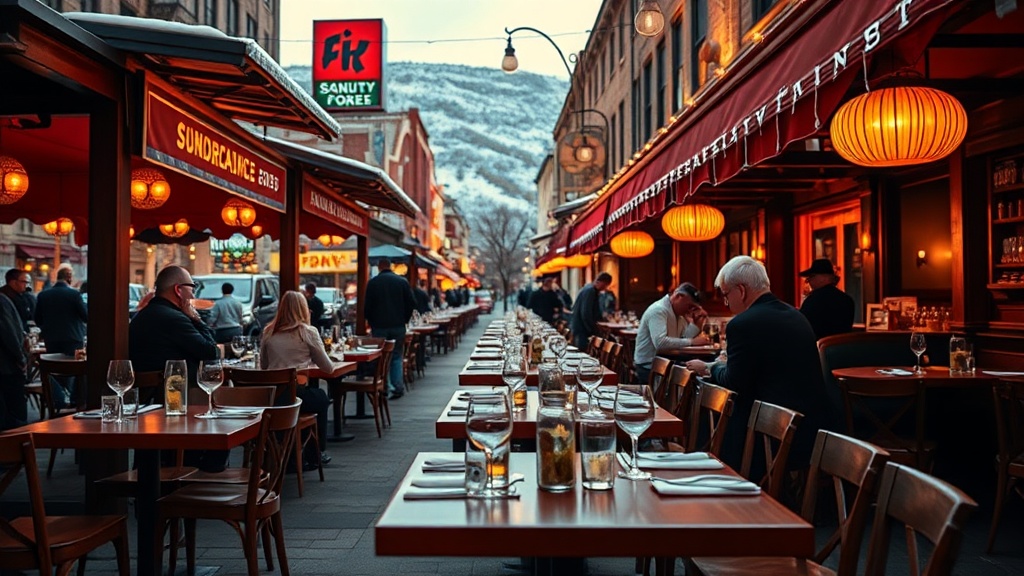
Several Venezuelan-owned businesses have opened in recent years, adding to Utah's vibrant cultural tapestry. Restaurants serving traditional Venezuelan dishes, such as arepas and pabellón criollo, have garnered popularity among both locals and visitors. These establishments not only provide a taste of Venezuela but also serve as gathering spaces for the community, fostering connections and cultural exchange.
Education plays a crucial role in the integration process for many Venezuelan families. Schools in areas with high Venezuelan populations have adapted to meet the needs of students who speak Spanish as their primary language. Programs offering bilingual education and cultural sensitivity training for teachers are becoming more common, aimed at ensuring that Venezuelan children receive a quality education while maintaining their cultural identity. Local school districts have reported an increase in enrollment from Venezuelan families, further highlighting the community's growth.
The journey to find a new home is not without its challenges. Many Venezuelans face obstacles such as language barriers, recognition of professional qualifications, and financial instability. Nonprofit organizations like the Refugee and Immigrant Center in Salt Lake City provide essential services, including job training and legal assistance, helping newcomers navigate these hurdles. These resources are critical in ensuring that Venezuelans can build sustainable lives in Utah and contribute to the state's economy.
Despite the challenges, the resilience of the Venezuelan community in Utah is evident. Many individuals have found ways to thrive, forming networks that support one another through shared experiences. Community events celebrating Venezuelan culture, such as festivals and food fairs, have become increasingly popular, drawing attention to the rich traditions and vibrant spirit of the Venezuelan people.
As the Venezuelan population continues to grow, local leaders and policymakers are recognizing the need for inclusive strategies that address the unique challenges faced by this community. Initiatives focused on economic development, cultural exchange, and community building are essential in fostering a welcoming environment for all residents. The presence of Venezuelans in Utah not only enriches the cultural landscape but also contributes to the state's overall economic growth.
In conclusion, the rise of the Venezuelan community as the second-largest Latino subgroup in Utah underscores the shifting demographic landscape of the state. As more Venezuelans arrive seeking safety and opportunity, their impacts will be felt in numerous facets of life in Utah, from the economy to education and cultural diversity. The commitment of local organizations and community members to support these newcomers will play a crucial role in shaping a more inclusive and vibrant Utah for years to come.