Utah Sees Surge in Measles Cases: 20 New Confirmed in Just One Week
Utah’s measles outbreak escalates with 20 new cases confirmed, totaling 176. Health officials stress the importance of vaccinations.
The Utah Department of Health and Human Services (DHHS) has reported a concerning spike in measles cases across the state, confirming 20 new instances of the highly contagious virus in the past week alone. This recent increase brings the total number of confirmed measles cases to 176 since the outbreak began, which includes cases dating back to 2025 and 2026. The rapid rise in cases has prompted health officials to issue renewed warnings about the importance of vaccinations and public health safety measures.
Measles is a highly infectious disease that can lead to serious health complications, including pneumonia and encephalitis, particularly in young children and individuals with weakened immune systems. The DHHS has emphasized that the best way to prevent the spread of measles is through vaccination, specifically the measles, mumps, and rubella (MMR) vaccine. According to health officials, two doses of the MMR vaccine are approximately 97% effective at preventing measles.
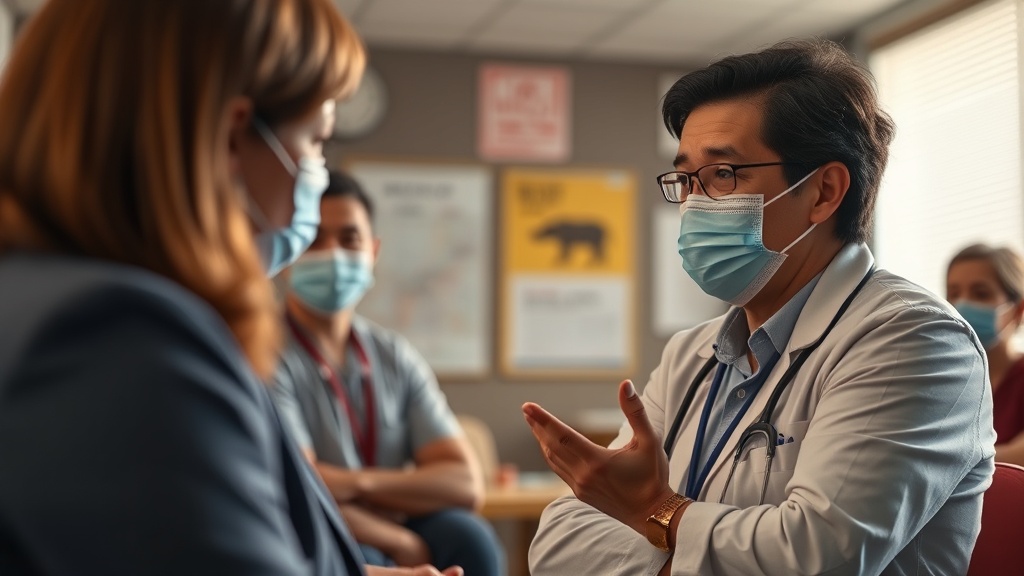
In light of the recent surge, Utah health officials are ramping up their vaccination efforts, especially targeting communities that have been disproportionately affected by the outbreak. Dr. Angela Dunn, the state epidemiologist, stated, "We cannot stress enough the importance of vaccination. Measles can spread quickly in communities with low vaccination rates, and we have seen that firsthand in this outbreak."
The current outbreak has raised alarms not only in Utah but across the nation as measles cases have been rising in various states. In 2022, the U.S. saw the highest number of measles cases since 1992, with 338 confirmed cases nationwide. Experts attribute this resurgence to increased vaccine hesitancy fueled by misinformation and a growing anti-vaccine movement.
Local health departments are working diligently to counteract this trend. They are conducting outreach campaigns aimed at educating the public about the safety and efficacy of vaccines. Community forums and informational sessions are being held to address concerns and misconceptions surrounding vaccinations. These efforts are crucial, especially in areas where vaccination rates have dropped significantly.
In addition to vaccination efforts, health officials are urging the public to be vigilant about recognizing the symptoms of measles, which include a high fever, cough, runny nose, and a characteristic rash that typically appears several days after the onset of these initial symptoms. Anyone who suspects they may have measles is advised to stay home and contact their healthcare provider to avoid further spreading the virus.
The DHHS has also released guidelines for schools and childcare facilities to help prevent outbreaks. These guidelines include ensuring that all students are up-to-date on their vaccinations before attending school and monitoring for any symptoms of measles among students.
As of today, Utah’s vaccination rate stands at approximately 90%, a figure that has raised concerns among health officials. While this rate is above the national average, experts warn that it is not high enough to achieve herd immunity, which requires about 95% of the population to be vaccinated to effectively stop the spread of the virus.
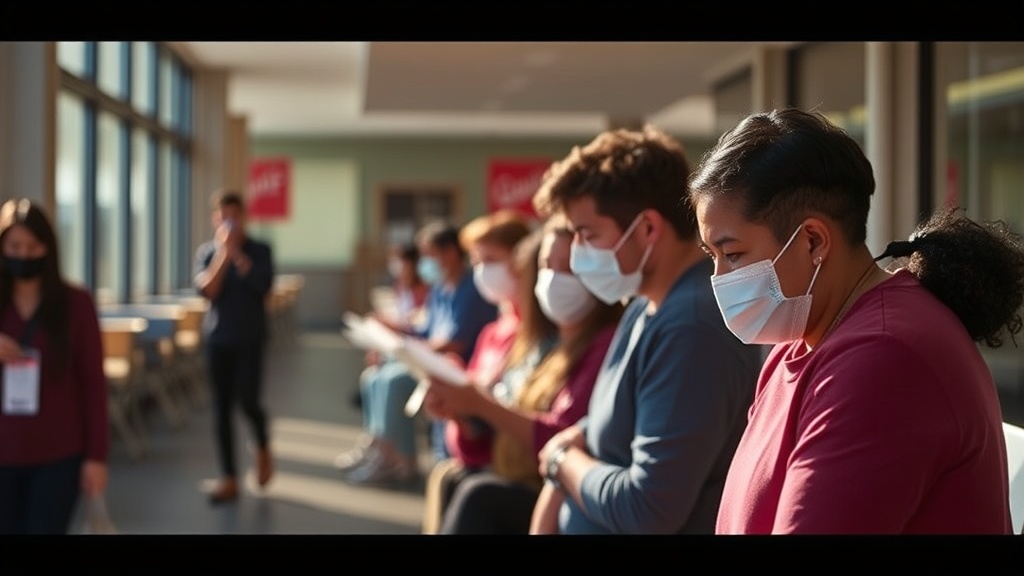
Community leaders are stepping in to help bolster vaccination rates. Many local organizations are collaborating with health departments to provide free vaccination clinics and educational resources to families. Additionally, faith-based organizations are using their platforms to encourage vaccinations, emphasizing the communal responsibility to protect the most vulnerable populations.
As the outbreak continues, the DHHS is committed to monitoring the situation closely and will provide updates as new cases arise. They are also encouraging residents to seek out vaccination opportunities and remain informed about public health initiatives.
In conclusion, Utah's current measles outbreak serves as a stark reminder of the importance of vaccinations in preventing infectious diseases. As health officials work to control the spread of measles, the community's cooperation and proactive engagement in vaccination efforts will be essential in safeguarding public health. The DHHS remains dedicated to providing support and resources to combat this outbreak and protect residents from preventable diseases.