Utah's Solar Energy Development Stalled Despite Growing Demand for Power
Utah's leadership is stalling solar development despite a surge in power demand, raising concerns about future energy supply.
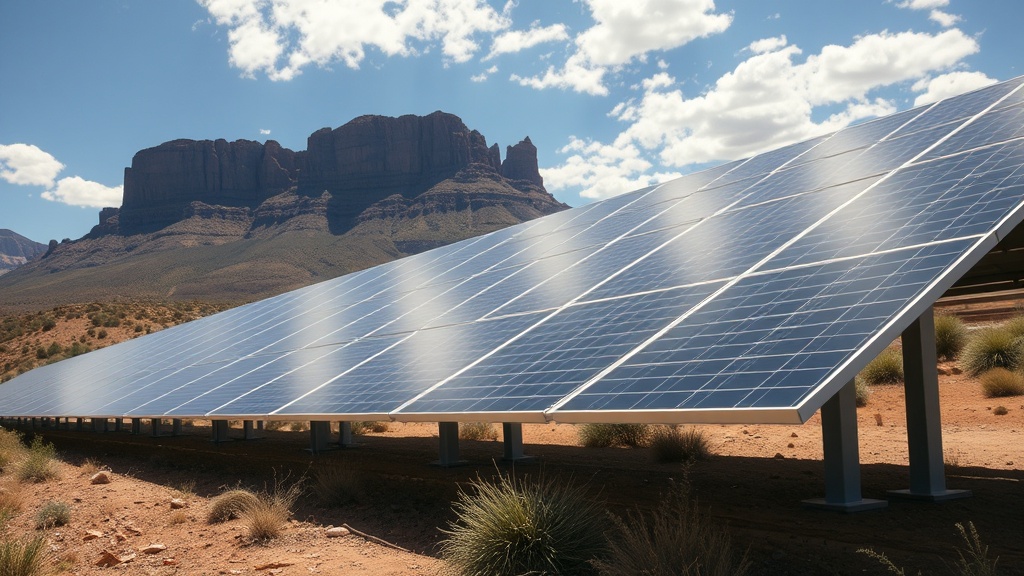
In a state where the demand for electricity is expected to surge dramatically in the coming years, Utah’s leadership is making moves that could hinder the growth of solar energy, a key player in the renewable energy landscape. Governor Spencer Cox, who aims to double the state's energy production through his initiative, Operation Gigawatt, has found himself at odds with the legislative actions of his fellow Republicans, who are pushing back against solar development despite its rapid growth in the state.
Utah's population is projected to increase significantly, necessitating a power supply that could match the amount generated over the entire last century within the next five years. To address this urgent need, Governor Cox announced Operation Gigawatt last year, advocating for a diversified energy strategy that includes multiple sources, such as nuclear, geothermal, and solar power. However, while the Governor seeks an “any of the above” approach to energy production, the legislative supermajority has taken a hard stance against solar energy, which has been the fastest-growing source of electricity in Utah.
Recent legislative actions have included the signing of two significant bills that will make solar energy development more challenging and costly. These bills eliminate tax credits for solar developers and introduce a new tax on solar energy production. A third bill, which narrowly missed passage, aimed to limit solar installations on agricultural land, highlighting the growing skepticism among lawmakers about solar's role in the state's energy future.
The implications of these legislative changes are profound. The solar industry had been caught off guard by the swift legislative assault, which, in its original form, could have dramatically curtailed solar development. Lobbyists and industry insiders had to expend significant political capital to negotiate adjustments to the proposed laws, ensuring that existing and under-construction projects could proceed despite the new challenges. However, the overall sentiment among developers is one of uncertainty, with many indicating that they may shift their focus to more favorable political climates in other states.
The shift in Utah's energy policy mirrors broader trends seen nationwide, where states with Republican leadership have exhibited skepticism toward renewable energy sources. This anti-solar sentiment aligns with actions taken during the Trump administration, which curtailed federal tax incentives for solar and other renewables, impacting the industry more significantly than state-level changes. Despite this, Governor Cox has publicly criticized the Trump administration for canceling a massive solar project in neighboring Nevada, advocating for a comprehensive energy strategy that includes renewable sources.
While Governor Cox has expressed support for solar energy, he has also shown a preference for nuclear and geothermal sources within his energy strategy. His recent announcement of plans for a manufacturing hub for small modular reactors indicates his commitment to advancing these technologies in Utah. Additionally, during a trade mission to New Zealand, he secured an agreement to collaborate on geothermal energy development.
The legislative changes are already having a tangible impact on solar development in Utah. Since the new laws took effect, 51 planned solar projects have withdrawn their applications to connect to the state’s power grid, representing over a quarter of the projects in the queue. This decline raises concerns about the state’s ability to meet its electricity demands as the population grows.
Moreover, the financial burden of electricity costs is becoming increasingly apparent for Utah residents. The state's utility company, Rocky Mountain Power, recently sought to increase rates by 30% to cover rising fuel and wholesale energy costs, a request that was met with public outcry and ultimately reduced to an 18% hike. The approval of a lesser rate increase of 4.7% by regulators indicates a growing tension between the need for energy and the legislative actions affecting its development.
This ongoing legislative debate is not just a matter of energy policy; it is also a question of economic viability and environmental stewardship. As the state grapples with the implications of reduced solar development, experts warn that failing to support renewable energy could hinder the state’s efforts to attract data centers and technology companies that require reliable energy sources.
The upcoming legislative sessions will likely see renewed discussions on solar energy, particularly with bills targeting solar development on agricultural land. Some lawmakers are concerned that the influx of solar projects may outbid local ranchers for land, while others argue that solar development can coexist with agricultural practices. These debates will shape the future of energy policy in Utah as the state navigates the complexities of energy production, environmental concerns, and economic growth.
As the situation continues to evolve, stakeholders in the solar industry are working to enhance their standing with lawmakers, emphasizing the potential benefits of solar energy for local communities and the state's economy. The outcome of these discussions will be crucial for the future of Utah's energy landscape and its ability to meet the escalating demands for electricity in the years to come.