Utah's Population Growth Slows Amid Changing Economic Landscape
Utah's population growth is slowing as fewer people move to the state, linked to economic factors.
Recent population estimates indicate that while Utah continues to experience growth, the rate at which it attracts newcomers from outside the state is diminishing. According to the latest data, the influx of external migrants has decreased, suggesting a shift in both the state's appeal and economic conditions. This trend may be linked to various economic factors influencing migration patterns.
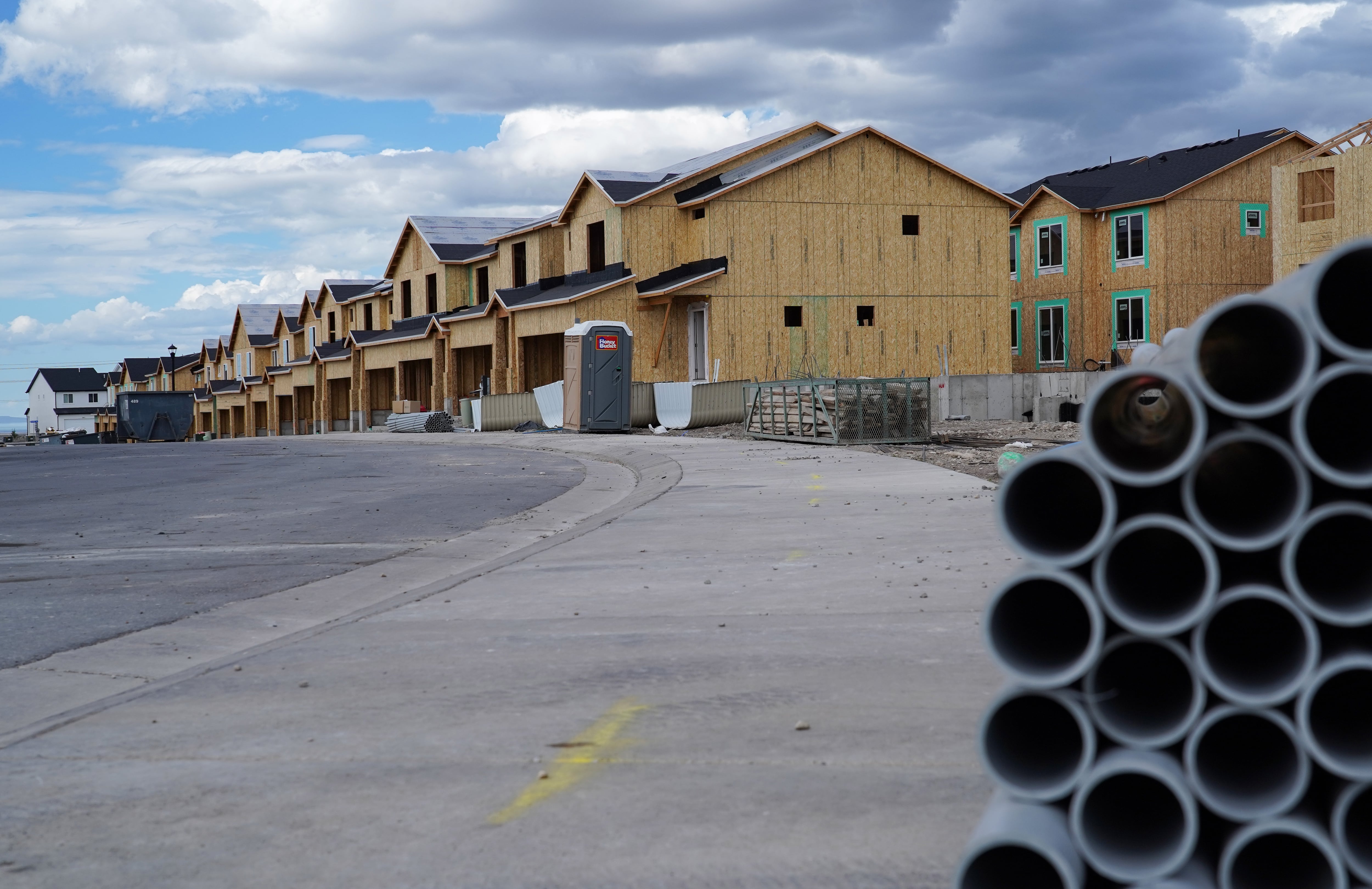
Utah's economy has been robust in recent years, characterized by a strong job market and low unemployment rates. However, the rising cost of living, particularly in housing, may deter potential residents from relocating to the state. The surge in housing prices has made it increasingly challenging for newcomers to find affordable accommodations, which could contribute to the slowdown in population growth.
In addition to housing costs, other economic factors such as wage stagnation and the overall economic climate may play a role in this trend. Individuals and families considering a move to Utah might weigh these factors heavily before making their decision. As the state continues to develop, it will be essential to monitor how these economic conditions impact future population growth.
State officials are also noting the importance of addressing housing affordability as a means to sustain growth. Initiatives aimed at increasing housing supply and improving infrastructure may be necessary to attract new residents and maintain the current population levels. Furthermore, understanding the preferences of potential movers and adapting to their needs could enhance Utah's appeal as a destination.
Overall, while Utah remains a growing state, the dynamics of its population growth are evolving. Observers will need to keep a close eye on the economic landscape and its influence on migration patterns in the coming years.