Utah's Housing Crisis: A Looming Challenge for Local Control by 2026
Utah's housing crisis is expected to worsen by 2026, prompting calls for state-level intervention to ensure affordable housing solutions.
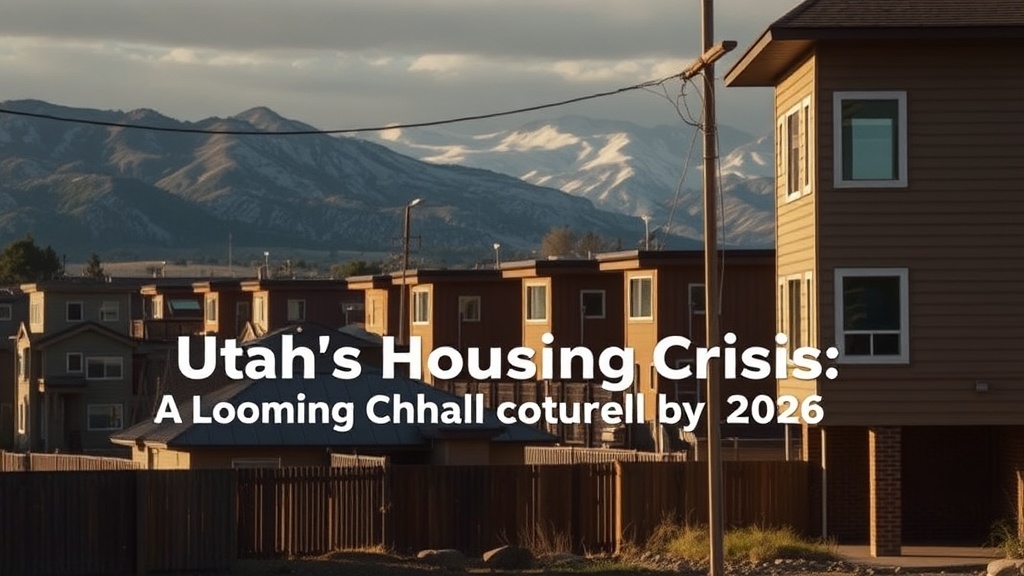
As Utah approaches 2026, the state's housing crisis is projected to escalate, raising significant concerns about local governance and control over housing policies. With a growing population, surging demand for affordable housing, and increasing economic pressures, many experts believe that local municipalities may struggle to effectively manage the complex challenges posed by this crisis. In light of these developments, a range of stakeholders, including city officials, housing advocates, and economic analysts, are calling for a reevaluation of current strategies and policies.
Utah has seen remarkable growth over the past few decades, with the state's population increasing by nearly 18% since 2010. This influx has been driven by a combination of factors, including a robust job market, a desirable quality of life, and an influx of families and young professionals. However, this rapid growth has also resulted in an overwhelming demand for housing, outpacing supply and leading to skyrocketing home prices and rental rates. According to the Utah Association of Realtors, the median home price in Salt Lake City has surged to over $550,000, a staggering increase that has made homeownership unattainable for many residents.
Local governments have traditionally held the reins on zoning laws and housing policies, but as the crisis worsens, there are growing concerns that these municipalities lack the capacity to address the issue on their own. Many city officials are finding themselves overwhelmed by the sheer scale of the problem, with limited resources and competing priorities. "We are trying our best to manage growth and provide affordable housing, but the reality is that we are fighting an uphill battle," said Salt Lake City Mayor Erin Mendenhall. "We need more support and collaboration at the state level to tackle this crisis effectively."
Experts argue that the current local control model could lead to inconsistent policies across the state, exacerbating the housing crisis. For example, while some cities are actively pursuing innovative solutions such as mixed-use developments and affordable housing initiatives, others are resistant to change, prioritizing property rights and traditional zoning practices. This patchwork approach could hinder efforts to create a cohesive strategy for affordable housing across the state.
The implications of this housing crisis extend beyond mere numbers; it affects the very fabric of communities across Utah. Families are being forced to make tough choices, with many opting to move further away from their jobs in search of more affordable housing. This not only disrupts family dynamics but also contributes to increased traffic congestion and longer commutes, further straining the state's infrastructure. Moreover, the lack of affordable housing has significant economic implications, potentially stifling job growth and innovation as businesses struggle to attract and retain talent in a competitive market.
In response to these challenges, there is growing advocacy for state-level intervention to provide a more unified approach to housing policy. Proposals have emerged for the state government to take a more active role in regulating housing development, potentially through measures such as statewide zoning standards and incentives for affordable housing projects. Experts argue that such measures could help streamline processes and ensure that all municipalities are contributing to solutions that address the crisis.
Furthermore, the housing crisis has prompted discussions about the role of private developers and their responsibility in addressing these issues. Many developers have been criticized for prioritizing high-end projects that yield greater profits, often at the expense of affordable housing options. As the demand for housing continues to rise, there is a growing call for developers to partner with local governments and community organizations to create mixed-income developments that serve a broader range of residents.
As Utah approaches the critical year of 2026, it is clear that the housing crisis will require a concerted effort from all stakeholders involved. Local governments, state officials, developers, and community members must come together to forge a collaborative approach that prioritizes accessible and affordable housing for all Utahns. Without such efforts, the state risks exacerbating the crisis, leading to further economic disparities and social challenges.
Ultimately, the future of Utah's housing landscape depends on proactive measures taken today. As the population continues to grow and the demand for affordable housing rises, stakeholders must act swiftly and decisively to implement solutions that balance growth with the need for equitable housing. Only through collective action can Utah hope to overcome the challenges posed by its housing crisis and ensure a sustainable future for its communities.