Utah's Evolving Homelessness Solutions: Legislative Changes and Future Plans
Utah's homelessness strategies have shifted significantly in 2023, focusing on prevention and mental health support amid rising numbers.
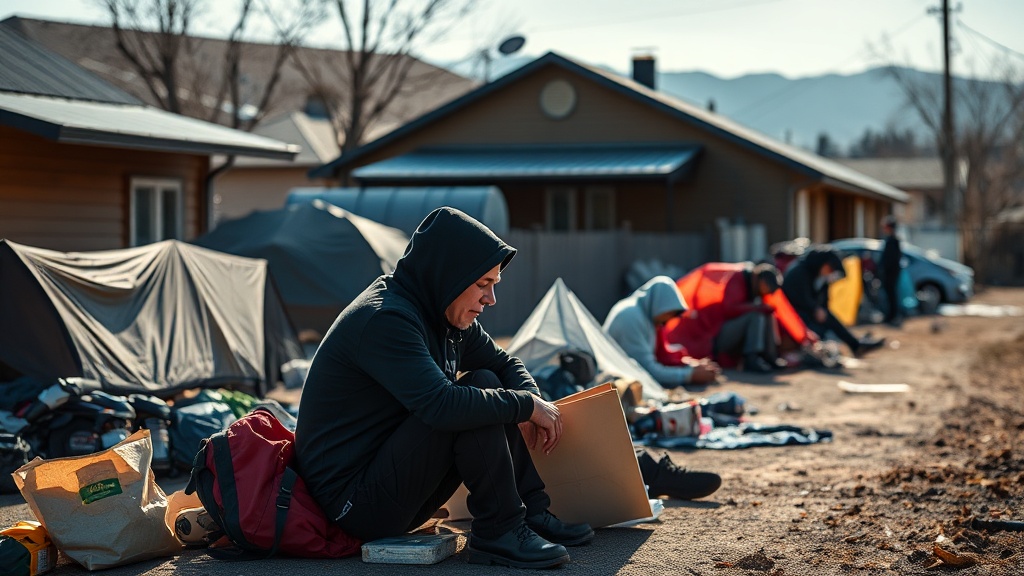
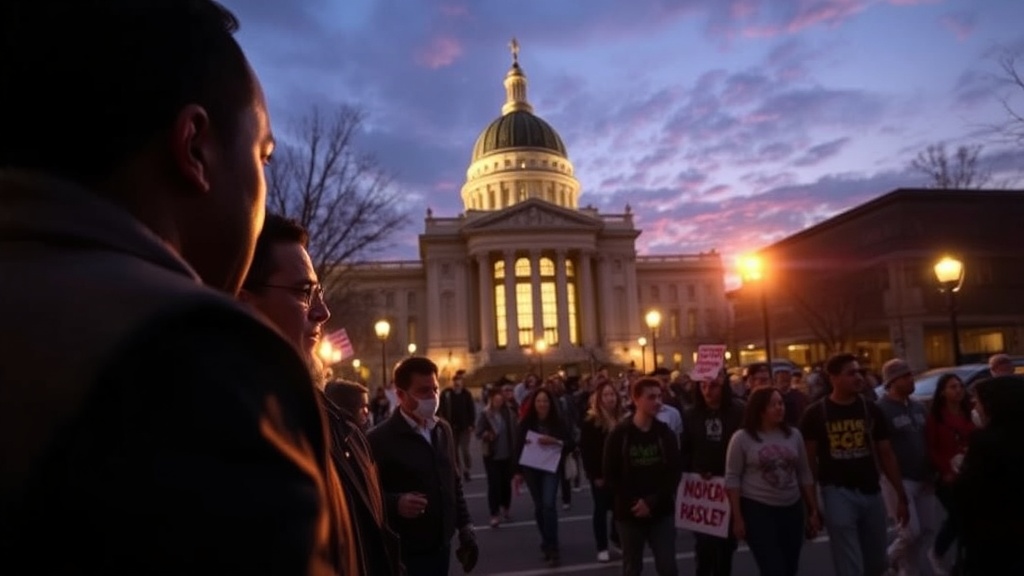
Utah’s approach to homelessness has undergone significant transformation throughout 2023, particularly following the conclusion of the 2025 legislative session, which brought new insights into the complexities of homelessness in the state. State leaders are now reassessing their strategies, focusing on prevention, housing stability, and mental health support, as they tackle a growing crisis that has affected communities statewide.
In recent years, Utah has garnered attention for its innovative approaches to homelessness, notably through its Housing First model, which prioritizes providing permanent housing to individuals experiencing homelessness without preconditions. However, the rising number of homeless individuals in urban areas, particularly in Salt Lake City, has prompted state officials to reevaluate their methods and potential legislative interventions. The Utah Department of Workforce Services has reported a 20% increase in homelessness since 2021, indicating that the existing systems require adjustments to address the changing landscape.
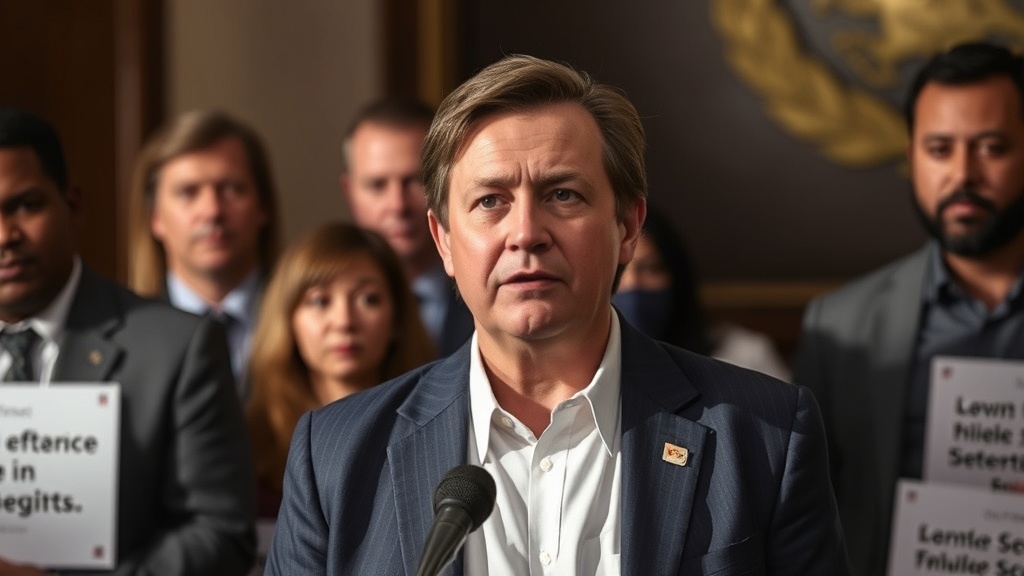
One of the pivotal changes this year has been the introduction of new funding initiatives aimed at expanding existing programs and developing new resources. During the 2025 legislative session, lawmakers allocated an additional $10 million to bolster homelessness services. This funding is designated for emergency shelters, transitional housing, and support services that focus on mental health and substance abuse treatment. According to Governor Spencer Cox, these initiatives aim to provide a comprehensive safety net that not only addresses immediate needs but also offers long-term solutions to prevent homelessness from occurring in the first place.
Additionally, state leaders are working closely with local governments and non-profit organizations to enhance collaborative efforts in providing services to the homeless population. This year has seen the formation of the Utah Homelessness Council, a body tasked with coordinating between various stakeholders, including municipalities, service providers, and community advocates. The council is set to analyze data and develop strategies that align with best practices in homelessness prevention and support.
The council’s chairperson, Maria Martinez, emphasized the importance of data-driven decision-making. “Understanding the demographics and needs of our homeless population is critical to creating effective interventions,” she stated. “We need to tailor our services to the unique challenges faced by different groups, whether they are families, veterans, or those struggling with mental health issues.” This focus on data is expected to inform policies that could lead to more targeted and effective use of resources.
As part of the response to the ongoing challenges, state officials are also prioritizing mental health services as a key component of their strategy. The Utah Department of Human Services has announced plans to increase funding for mental health programs specifically designed for homeless individuals. This includes partnerships with local clinics and hospitals to provide on-site care and resources. Mental health experts have long argued that untreated mental illness is a significant factor contributing to homelessness, and addressing these issues is crucial for long-term stability.
Moreover, the state has initiated a public awareness campaign aimed at reducing stigma surrounding homelessness and encouraging community involvement. Through outreach programs, Utah aims to foster a sense of empathy and understanding among residents, encouraging them to support local initiatives. The campaign features testimonials from formerly homeless individuals who have successfully transitioned into stable housing and employment, highlighting the importance of community support.
Despite these advancements, challenges remain. Many advocates have pointed out that the housing market in Utah is experiencing unprecedented pressures, with skyrocketing rental prices making it increasingly difficult for low-income families to secure stable housing. The Utah Housing Coalition has voiced concerns that without additional affordable housing initiatives, the state’s efforts may fall short of their goals. In response, lawmakers are currently exploring options to incentivize the development of affordable housing units and streamline the approval process for new housing projects.
The combination of funding increases, enhanced collaboration, and a focus on mental health represents a holistic approach to addressing homelessness in Utah. As the state moves forward, it remains to be seen how these initiatives will impact the homeless population and whether the legislative changes will yield the desired results.
In conclusion, Utah’s response to homelessness in 2023 reflects a commitment to evolving strategies that address both immediate needs and long-term solutions. With increased funding, a focus on collaboration, and a comprehensive understanding of the challenges faced by homeless individuals, state leaders are optimistic about making meaningful progress in the fight against homelessness in the coming years. As the situation continues to evolve, ongoing evaluation and adaptation will be essential to ensure that the state meets the needs of its most vulnerable residents effectively.