Utah Leaders Pursue Nuclear Energy Expansion Amid Cost Concerns
Utah leaders are actively pursuing nuclear energy as a key element of the state's energy strategy amid rising demand and climate goals. However, concerns about the financial implications for residents and the management of nuclear waste are sparking debate among stakeholders.
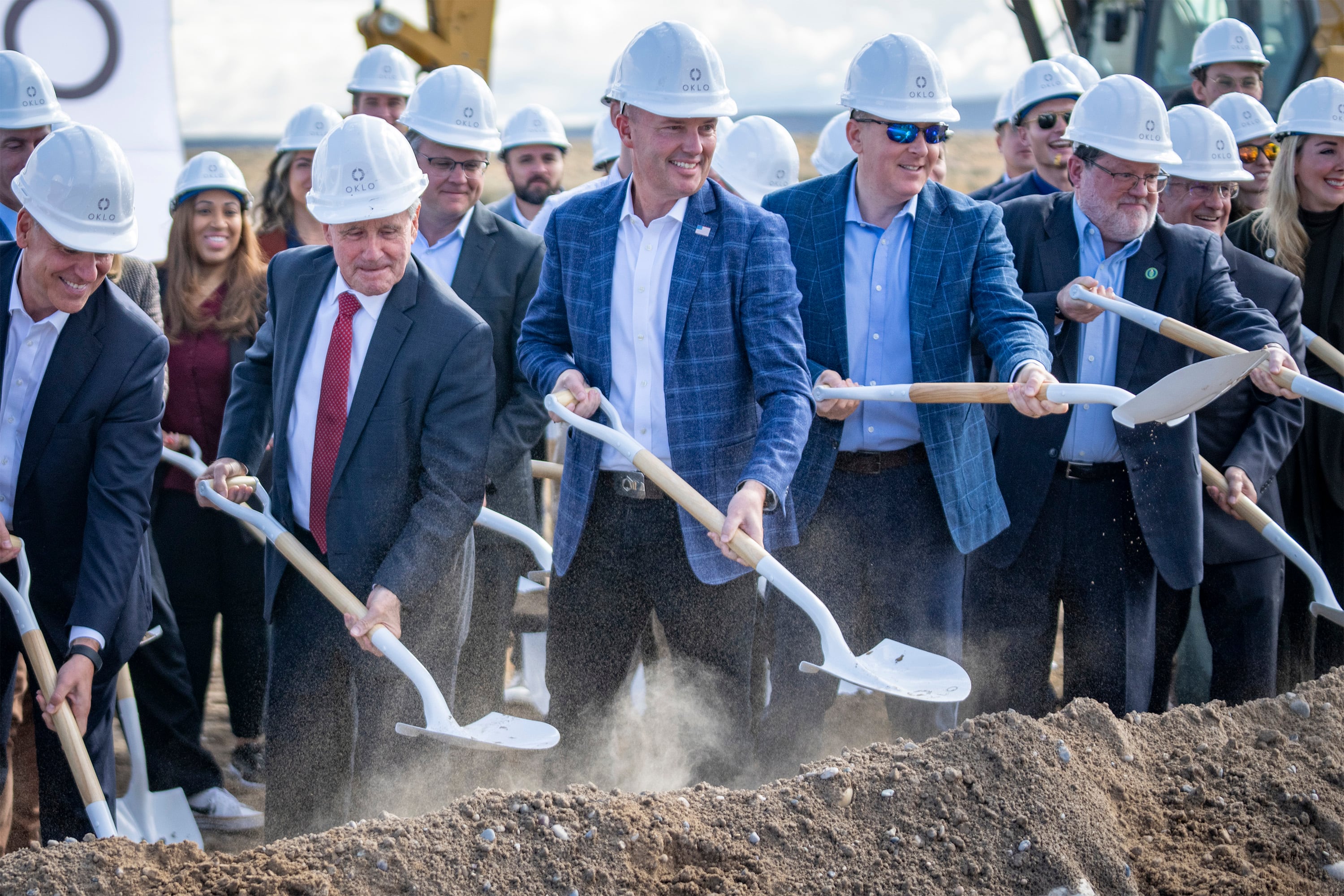
Nuclear energy is gaining traction in Utah as state leaders explore its potential to address both energy needs and climate change. In recent discussions, prominent politicians have expressed strong support for developing nuclear technology, viewing it as a critical component of Utah's energy strategy. This renewed interest comes at a time when the state is facing significant challenges regarding energy sustainability and reliability.
Utah's energy framework is becoming increasingly complex, with rising electricity demand driven by population growth and economic development. As officials outline their vision for the future, they are considering how nuclear energy can provide a reliable and low-carbon alternative to traditional fossil fuels. The state has an existing nuclear facility, the Utah Associated Municipal Power Systems (UAMPS), which plans to develop a new small modular reactor (SMR) project in the coming years. This initiative is expected to significantly enhance the state’s energy capacity while reducing greenhouse gas emissions.
Supporters of nuclear energy argue that it is vital for meeting climate goals and transitioning to a clean energy future. They point to advancements in nuclear technology that have made it safer and more efficient compared to previous generations of reactors. Additionally, with growing concerns about energy security and the volatility of fossil fuel markets, state leaders emphasize the importance of diversifying energy sources.
Despite the potential benefits, there are reservations regarding the financial implications of nuclear energy expansion. Critics express concerns about the significant initial investments required for construction and the long-term management of nuclear waste. They warn that taxpayers may ultimately bear the burden of cost overruns or delays inherent in large-scale nuclear projects. Some community members fear that this could lead to increased utility bills, complicating the financial landscape for residents already facing rising living costs.
As Utah continues its exploration of nuclear energy, the state must navigate the balance between embracing innovative technologies and ensuring economic viability for its citizens. Public forums and discussions are anticipated in the coming months as stakeholders from various sectors gather to debate the path forward regarding nuclear energy in the state.