Utah Leaders Prioritize Affordable Housing Amid Infrastructure Challenges
Utah leaders focus on affordable housing solutions and essential infrastructure improvements in legislative session.
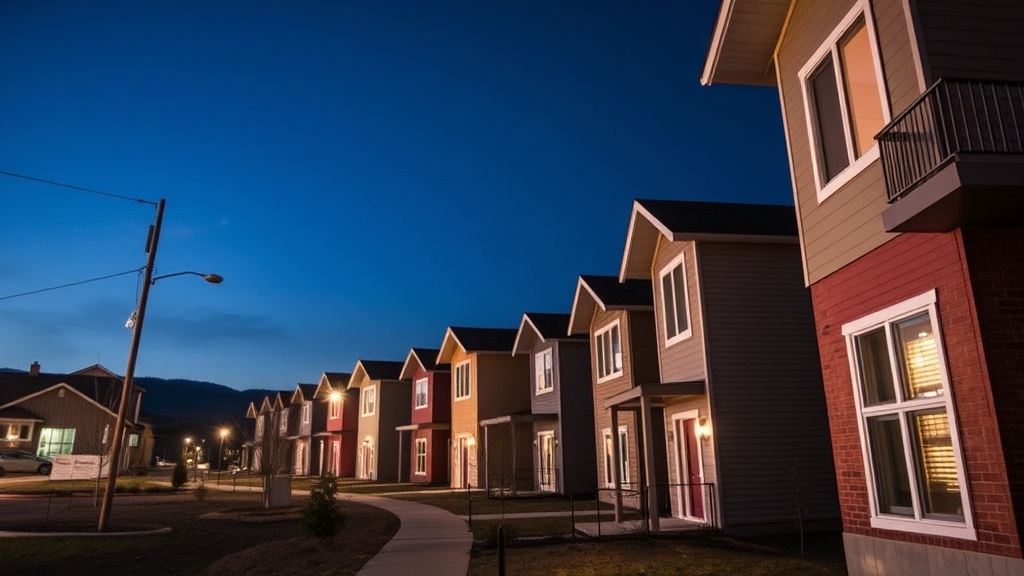
On Tuesday, Utah's state legislature convened to address pressing housing and infrastructure needs at a pivotal moment for the community. With escalating housing prices and a growing population, lawmakers are keenly aware of the urgent necessity for affordable housing solutions. This year’s session is anticipated to focus heavily on legislation aimed at both expanding the availability of affordable homes and tackling the accompanying infrastructure issues that arise from rapid growth.
The discussion, held in the Utah State Capitol, brought together key figures in state governance, including Governor Spencer Cox, House Speaker Brad Wilson, and Senate President Stuart Adams. Governor Cox emphasized the critical nature of the housing crisis, stating, "We can’t just build homes; we must ensure that they are accessible to all Utahns, especially as our state continues to grow. Affordable housing is not just an economic issue; it’s a social imperative."
Participants in the meeting outlined a comprehensive approach that includes increasing funding for affordable housing projects, enhancing zoning regulations, and incentivizing developers to include affordable units in their new constructions. The leaders acknowledged that while the demand for housing in urban centers like Salt Lake City continues to surge, many families are being priced out of the market.
The Utah Housing Coalition reported that the median home price in the state has soared to over $500,000, with rental prices following suit. This trend has prompted a significant number of residents to seek housing solutions further out of urban centers, often resulting in longer commutes and increased strain on the state’s transportation systems.
In response to these challenges, lawmakers are considering a multi-faceted strategy that addresses both housing supply and the necessary infrastructure improvements. House Speaker Wilson noted, "We can’t build homes in a vacuum. We need to ensure that our roads, schools, and public services can support our growing communities. This is about creating sustainable environments where families can thrive."
Infrastructure issues, particularly in terms of transportation, are becoming increasingly urgent as the population grows. The Utah Department of Transportation (UDOT) has reported a significant uptick in traffic congestion, particularly in urban corridors, which has raised concerns about the adequacy of current roadways and public transit systems. UDOT officials are expected to collaborate with housing developers to ensure that new residential areas are equipped with the necessary infrastructure.
The conversation also included discussions on innovative housing solutions, such as modular homes and mixed-use developments that combine residential and commercial spaces. Experts believe that these models can help mitigate the housing crisis by maximizing land use and reducing costs. Additionally, lawmakers are exploring the possibility of creating a state fund dedicated to affordable housing initiatives, which could provide necessary capital for projects that meet specific affordability criteria.
Environmental considerations were also a focal point of the discussions. With Utah’s stunning landscapes and natural resources at risk from overdevelopment, leaders acknowledged the importance of sustainable building practices. Senator Adams remarked, "We have a responsibility to protect our environment while also meeting the housing needs of our residents. Balancing growth with sustainability is crucial for our long-term future."
As they move forward, legislators are encouraged to gather input from community stakeholders, including local governments, non-profit organizations, and residents. Public forums are being planned to ensure that the voices of those affected by the housing crisis are heard. This inclusive approach aims to foster transparency and accountability in the legislative process.
The urgency of addressing these issues has never been greater, with many Utahns feeling the pressure of rising costs and limited availability of affordable housing. The outcome of this legislative session will be closely watched by residents and advocates alike, as they hope for meaningful progress that can provide relief from the current housing crisis.
In conclusion, Utah’s leaders are poised to take significant steps towards addressing the intertwined issues of affordable housing and infrastructure. By prioritizing these areas, they aim to create a sustainable and inclusive environment for all residents. As the state continues to grow, the decisions made during this legislative session will be crucial in shaping the future landscape of Utah’s communities, ensuring they remain livable and accessible for generations to come.