Utah Judge Orders Return of Wrongfully Deported Man Amid Federal Oversight
A federal judge in Utah orders the Trump administration to return a wrongfully deported man, highlighting immigration enforcement issues.
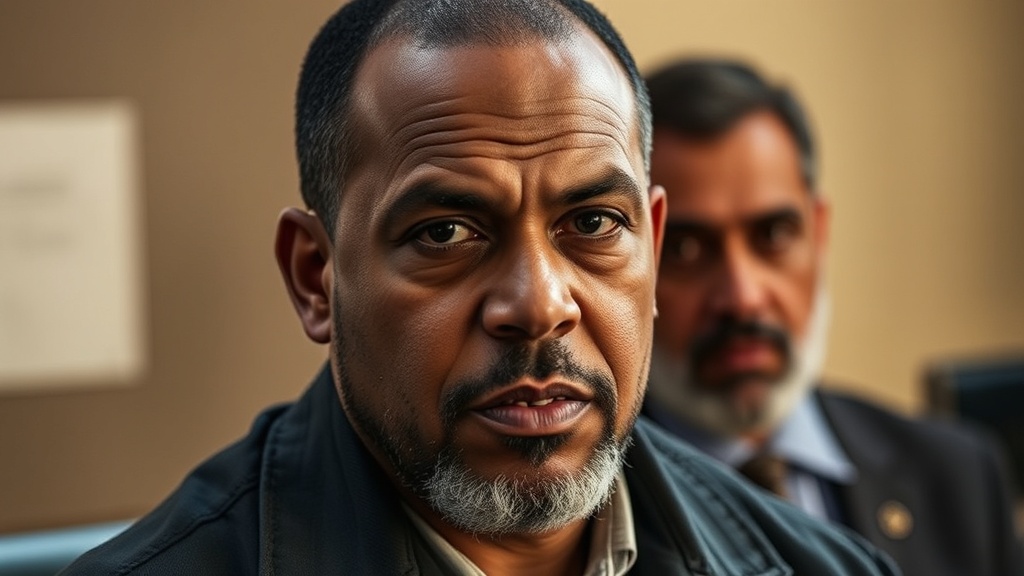
A federal judge in Utah has mandated that the Trump administration take immediate steps to return a man who was wrongfully deported, a decision that highlights ongoing concerns regarding immigration enforcement practices. The ruling, issued by U.S. District Judge Jill Parrish, stipulates that the man, identified as 38-year-old Jorge Alberto Gonzalez, must be brought back to the United States within 21 days. This order comes in response to a previous court ruling that found his deportation to Mexico was unlawful, as it was conducted without proper due process.
Gonzalez, a longtime resident of the United States, was deported in 2018 after being detained by Immigration and Customs Enforcement (ICE). At the time, authorities claimed that Gonzalez had a criminal record, which played a significant role in their decision to proceed with his deportation. However, legal representatives for Gonzalez assert that he had no prior convictions and that his deportation was based on incorrect information. This case has drawn attention to the complexities and potential injustices within the immigration system, where individuals can be expelled from the country based on faulty data.
During the court proceedings, Judge Parrish expressed concern over the implications of Gonzalez’s deportation, especially considering the emotional and psychological toll it has taken on him and his family. "The importance of due process cannot be overstated, particularly in matters that affect families and individuals who have built their lives here," she remarked during the ruling. Gonzalez's attorney, Maria Garcia, applauded the decision, stating, "This ruling is a victory for justice and a reminder that every individual deserves the right to a fair process. No one should be removed based on erroneous claims."
Gonzalez's case is part of a larger narrative surrounding immigration policy in the United States, particularly during the Trump administration when enforcement measures were significantly intensified. Critics of the administration's approach have argued that such policies often led to the wrongful detention and deportation of individuals who pose no threat to public safety. The case also underscores the pressing need for comprehensive immigration reform that prioritizes fairness and accountability within the system.
In addition to the legal ramifications for Gonzalez, the ruling raises questions about the broader impact of deportations on families and communities. Gonzalez’s family, who reside in Utah, have been vocal throughout the court process, emphasizing the emotional distress caused by his absence. His wife, Elena Gonzalez, shared her anguish, stating, "It has been incredibly hard for us. Our children miss their father every day, and we just want him home where he belongs. This ruling gives us hope that we can finally be together again."
The order to return Gonzalez is not only a significant legal victory for him but also a critical reminder of the challenges faced by many families dealing with the complexities of the immigration system. Advocates for immigrant rights have hailed the ruling as a necessary step toward rectifying the injustices perpetuated by aggressive immigration enforcement tactics. Organizations such as the American Civil Liberties Union (ACLU) have called for a reevaluation of policies that allow for such wrongful deportations, urging lawmakers to consider the human impact of their decisions.
As the clock ticks on the 21-day timeline set by Judge Parrish, attention will remain focused on how the Trump administration responds to this directive. The administration has faced criticism in the past for its handling of deportation cases, and this ruling will likely add pressure to ensure compliance. Immigration advocates are closely monitoring the situation and have expressed their commitment to supporting Gonzalez and his family during this critical period.
In conclusion, the ruling by U.S. District Judge Jill Parrish not only mandates the return of Jorge Alberto Gonzalez but also serves as a poignant reminder of the ongoing struggles within the U.S. immigration system. As families continue to be affected by deportations, the need for reform and accountability becomes increasingly clear. The case reflects broader societal issues regarding the treatment of immigrants in the United States, emphasizing the importance of legal protections and the right to due process for all individuals, regardless of their immigration status. As the situation develops, it remains to be seen how the Trump administration will act in compliance with the court's ruling and what implications this may have for future cases of wrongful deportation.