Utah Governor Spencer Cox's Impact on 2025 Political Landscape
Utah Governor Spencer Cox's leadership in 2025 has shaped the state's political landscape with significant reforms and community engagement.

As Utah Governor Spencer Cox marked the conclusion of his first year in a second term, he solidified his position as a pivotal figure in the state's political narrative. His leadership style, policy initiatives, and public engagement have not only defined his administration but also shaped the political landscape of Utah in 2025.
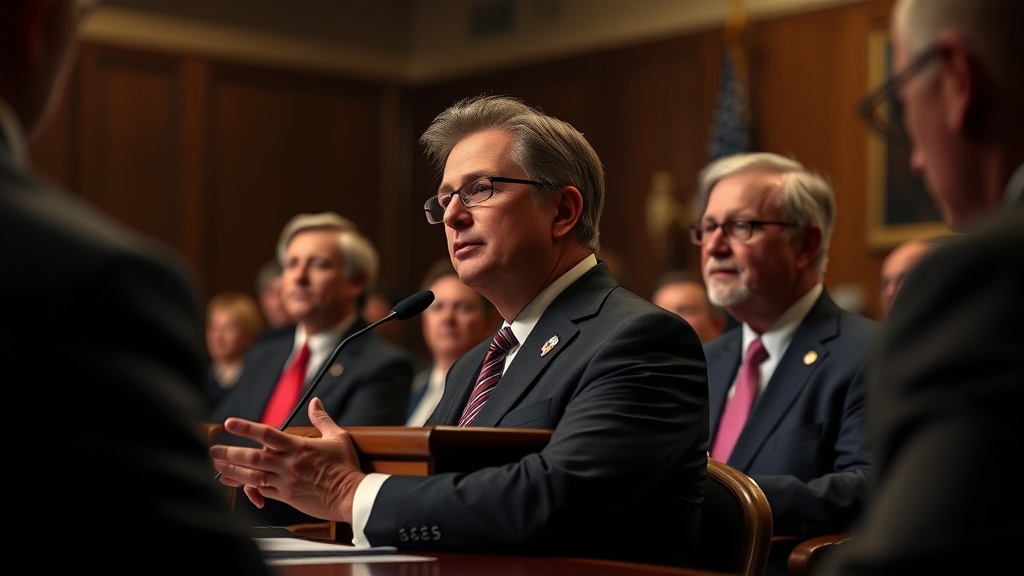
Spencer Cox, who first took office in January 2021, has navigated a series of challenges and opportunities that have come to characterize his tenure. His commitment to bipartisanship and collaborative governance has been a hallmark of his approach. Early in his second term, he initiated discussions with legislative leaders from both parties, emphasizing the importance of unity in addressing pressing state issues such as education, healthcare, and economic development.
One of Cox's most significant achievements this year has been the passage of a landmark education reform bill aimed at increasing funding for public schools and enhancing teacher salaries. The bill, which received bipartisan support, allocated an additional $300 million to the state's education system. "Investing in our teachers and our children is not just a moral obligation; it is an economic necessity," Cox stated during a press conference following the bill's passage. This initiative has garnered widespread approval from parents, educators, and community leaders, establishing a framework for future educational policies.
In addition to education, Governor Cox has prioritized healthcare reform, particularly in light of the ongoing challenges posed by the COVID-19 pandemic. His administration has sought to expand access to mental health services, a need that has become increasingly evident in the wake of the pandemic's socio-economic impacts. In February, Cox launched a statewide initiative aimed at reducing the stigma surrounding mental health issues and improving access to care. This effort has included partnerships with local nonprofits and healthcare providers, thereby ensuring a comprehensive approach to a multifaceted problem.
Cox's focus on economic development has also played a critical role in his political standing. In 2025, he championed a series of initiatives designed to attract new businesses to the state, particularly in the technology and renewable energy sectors. His administration unveiled a $50 million incentive program aimed at fostering innovation and supporting startups. "Utah is a land of opportunity, and we want to ensure that our entrepreneurs have the resources they need to succeed," Cox remarked at the unveiling of the program in Salt Lake City. This commitment to economic growth has resonated with constituents, as Utah continues to experience one of the lowest unemployment rates in the nation.
However, not all of Cox's policies have faced smooth sailing. His administration encountered significant pushback regarding environmental regulations aimed at addressing climate change. In late 2024, a proposed clean air initiative sparked heated debates among lawmakers and industry leaders. Critics argued that the regulations could stifle economic growth, while supporters maintained that such measures are essential for long-term sustainability. As a result, Governor Cox has sought to strike a balance between environmental concerns and economic interests, often engaging in dialogues with various stakeholders to find common ground.
Cox's adept handling of these issues has not gone unnoticed. Political analysts have lauded his ability to navigate complex challenges while maintaining a relatively high approval rating among Utah residents. According to a recent poll conducted by Utah State University, 65% of respondents expressed satisfaction with Cox’s leadership. This favorable perception is particularly significant in a state that values conservative principles yet shows an increasing appetite for collaborative and pragmatic governance.
As the year progresses, Cox's focus on community engagement remains a priority for his administration. His ongoing efforts to connect with constituents through town hall meetings and social media platforms reflect a commitment to transparency and accountability. "I believe that the best ideas come from the ground up, not the top down," he stated in a recent interview, underscoring his belief in grassroots participation in governance.
In summary, as Governor Spencer Cox enters the second year of his second term, he has emerged as a defining figure in Utah's political landscape. His proactive approach to education, healthcare, and economic development, coupled with a commitment to bipartisanship, has not only shaped policy outcomes but has also influenced public perception. As challenges continue to evolve, Cox’s ability to adapt and engage with both supporters and critics alike will likely play a crucial role in defining his legacy as one of Utah's most impactful leaders.
Looking ahead, the implications of his policies and actions will undoubtedly resonate beyond 2025, shaping the future of Utah and setting a precedent for future leaders. With a focus on collaboration and innovation, Governor Cox appears poised to continue making significant strides in addressing the needs of his constituents and contributing to the broader dialogue on governance in the United States.