Utah Football's Transfer Portal Strategies: A Look at Kyle Whittingham's Impact
Utah football's strategic use of the transfer portal has shaped its roster, focusing on integrating talent from Michigan and beyond.
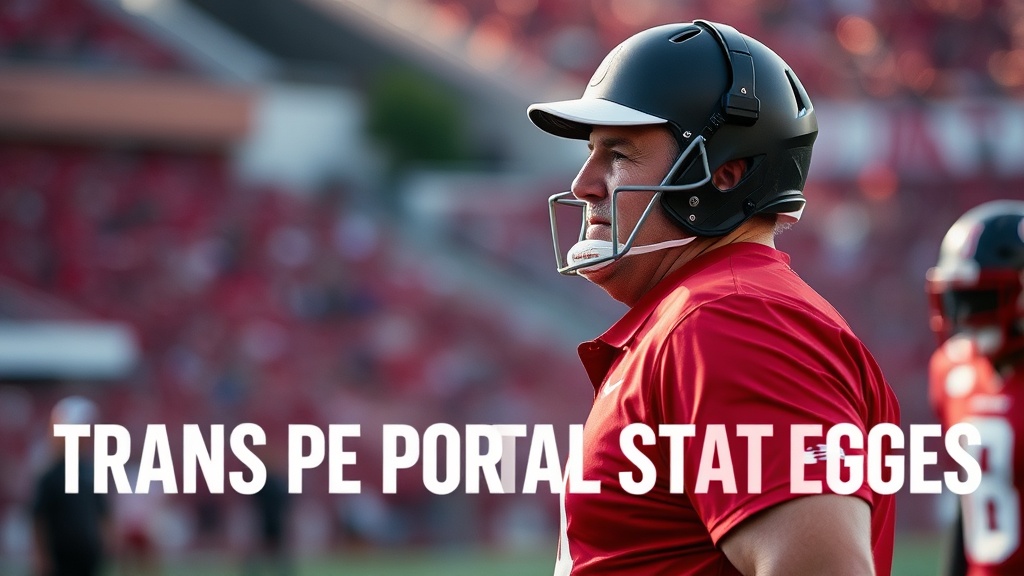
As the college football landscape continues to evolve with the rise of the transfer portal, the Utah Utes under head coach Kyle Whittingham are navigating these changes with a strategic mindset. Over recent seasons, the Utes have made significant moves in the transfer portal, aiming to bolster their roster and enhance their competitiveness against formidable opponents, including the Michigan Wolverines. This article explores how Utah has fared in leveraging the transfer portal to its advantage, particularly in the context of recruiting players from Michigan and neighboring states.
The transfer portal, established in 2018, allows college athletes to transfer from one institution to another without the need for a waiver. This development has fundamentally altered the recruitment landscape in college football, providing programs with the opportunity to quickly fill roster gaps and elevate talent levels. For the Utes, the portal has become a vital tool in their recruitment strategy, particularly as they seek to maintain their status as a powerhouse in the Pac-12 Conference.
Utah's coaching staff, led by Whittingham, has adopted a proactive approach to the transfer portal. With an eye on skill positions and crucial defensive roles, the Utes have successfully attracted talent that has proven instrumental in their recent successes on the field. For instance, last season, Utah secured several pivotal transfers that contributed to their strong performance, including standout players who had previously played in Power Five conferences.
One of the key figures in Utah's transfer portal strategy is defensive coordinator Morgan Scalley. Scalley has stressed the importance of building a cohesive team culture while integrating new players into the system. "We focus on what we can control, and that includes making sure our new guys understand our values and what it means to be a Ute," Scalley said in a recent interview. His emphasis on cultural fit highlights the Utes' commitment to not just acquiring talent, but ensuring that new recruits can adapt to the team's ethos and playing style.
Meanwhile, Michigan, a traditional powerhouse in college football, has also been active in the transfer portal. The Wolverines, under coach Jim Harbaugh, have utilized the portal to bolster their roster, particularly in skilled positions. However, the Utes have managed to find success in attracting players from Michigan, capitalizing on the opportunity to recruit athletes who may be seeking a different environment or increased playing time.
In recent years, Utah has successfully signed several players from the Midwest, including Michigan. These recruits often bring a wealth of experience and talent that can complement the Utes' existing roster. For example, Utah recently welcomed a wide receiver from Michigan who was looking to make an impact in a new setting after a solid but underutilized career in Ann Arbor. This strategic recruitment not only strengthens the Utes but also showcases their ability to identify and acquire talent that other programs may overlook.
The implications of these transfer portal strategies extend beyond immediate roster improvements. By successfully integrating transfer players, the Utes are not only enhancing their competitiveness on the field but also setting a precedent for future recruiting efforts. This approach allows Utah to establish itself as a destination for athletes looking for a fresh start, thereby increasing their visibility and appeal in the highly competitive landscape of college football.
Moreover, the Utes' success in the transfer portal has not gone unnoticed by other programs. As Utah continues to build a reputation for effectively utilizing this resource, other teams may begin to view the Utes as a model for how to navigate the complexities of college football recruitment. This could lead to increased competition for top transfer prospects, making it crucial for Utah to maintain its momentum and continue to innovate in its approach to recruiting.
As the 2023 college football season approaches, all eyes will be on how Utah leverages its transfer portal strategy to enhance its performance. With Michigan also actively recruiting top talent, the competition remains fierce. However, with Whittingham at the helm and a dedicated coaching staff focused on player development and team culture, the Utes are poised to make a significant impact in the upcoming season. Their ability to adapt and thrive in the changing landscape of college football will be a testament to their resilience and strategic foresight in the transfer portal era.
In conclusion, the transfer portal presents both opportunities and challenges for college football programs, and Utah has shown a commendable ability to navigate these waters effectively. As they continue to recruit top talent from Michigan and beyond, the Utes are not only enhancing their roster but also solidifying their place as a contender in the highly competitive world of college football.