US Biathlon Growth Fueled by New Laser Rifle Programs and Ranges
With new laser rifle programs and shooting ranges, biathlon is gaining traction in the U.S. as athletes aim for Olympic success.
MIDWAY, Utah — As anticipation builds for the Milan Cortina Winter Olympics, biathlon stands out as one of Europe’s most celebrated winter sports, capturing the attention of millions. In stark contrast, the sport has yet to make a significant impact in the United States, where it remains a curious outlier—one of the few winter sports in which the U.S. has never claimed an Olympic medal. However, the tides of change are beginning to flow, as the U.S. national biathlon team heads into the upcoming Winter Games with renewed optimism and considerable backing from local communities and organizations.
Historically, participation in biathlon across the U.S. has been limited by several factors, including restricted access to shooting ranges and the prohibitive cost of biathlon rifles, which can run upwards of $4,000. This landscape is shifting thanks to recent investments in new biathlon facilities and the introduction of innovative laser rifle programs. These initiatives are making the sport more accessible, particularly in cross-country ski centers throughout the country.
John Farra, the director of sport development for U.S. Biathlon, is at the forefront of this transformation. He launched a laser rifle program that sets up shooting ranges at youth cross-country ski festivals, where eager young athletes often form lines ten-deep to take their turn on the mats.
"If we can continue to do this kind of targeted partnerships with Nordic communities, at the end of the program the kids will be biathletes, not just kids who have shot laser rifles," Farra stated. This program has already shown promising results; U.S. Biathlon membership nearly doubled from 818 in 2018 to 1,596 in 2025, although this figure still lags behind European powerhouses such as Norway, which boasts about 8,000 members in its biathlon federation.
The surge in interest is not merely anecdotal. New shooting ranges are emerging across the country, including a world-class facility built by snowblower manufacturer Ariens Company in Brillion, Wisconsin. Additionally, the American Birkebeiner, the largest Nordic ski race in North America, has partnered in the development of another range, further solidifying the infrastructure for aspiring biathletes.
Sean Becker, general manager of the Ariens Nordic Center, emphasized the importance of these developments: "By providing world-class facilities and resources, we’re helping shape the next generation of biathletes and fueling their journey from local club to the global stage." The Ariens range features 20 target lanes along with an additional 10 points designed for non-standard rifles, allowing paraskiers and younger athletes to use laser or infrared rifles. They regularly host clinics and competitions, attracting participants from across the nation.
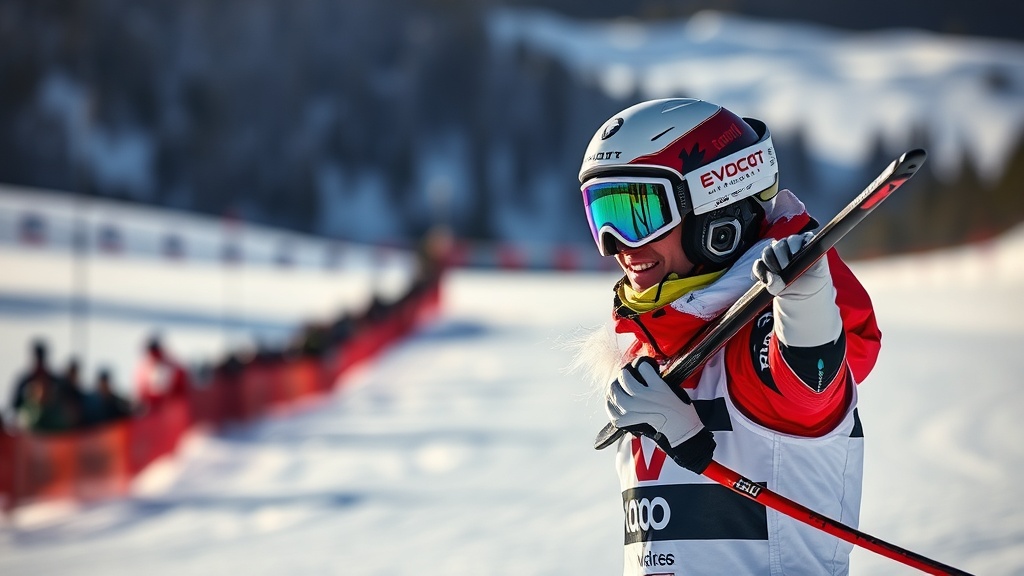
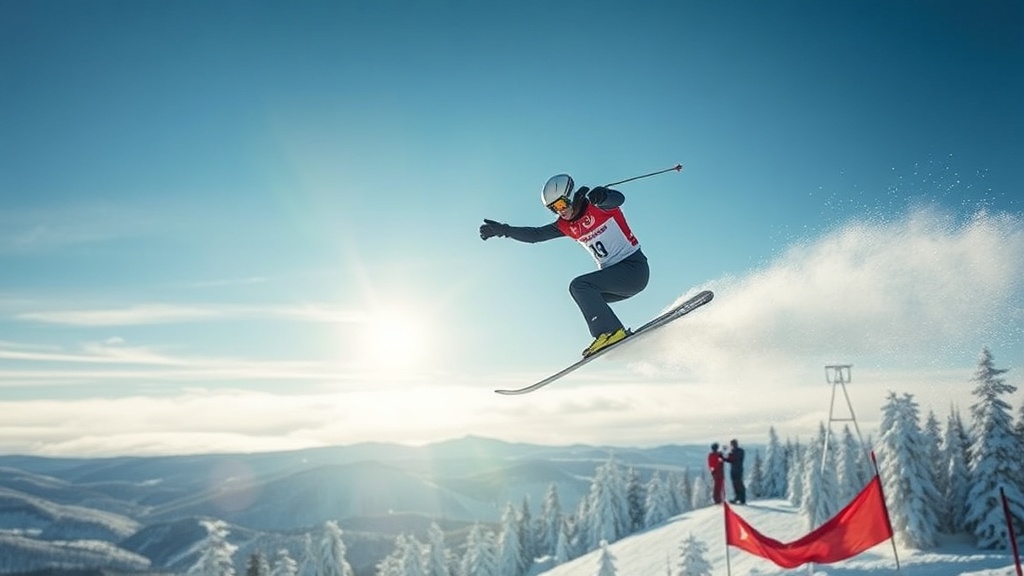
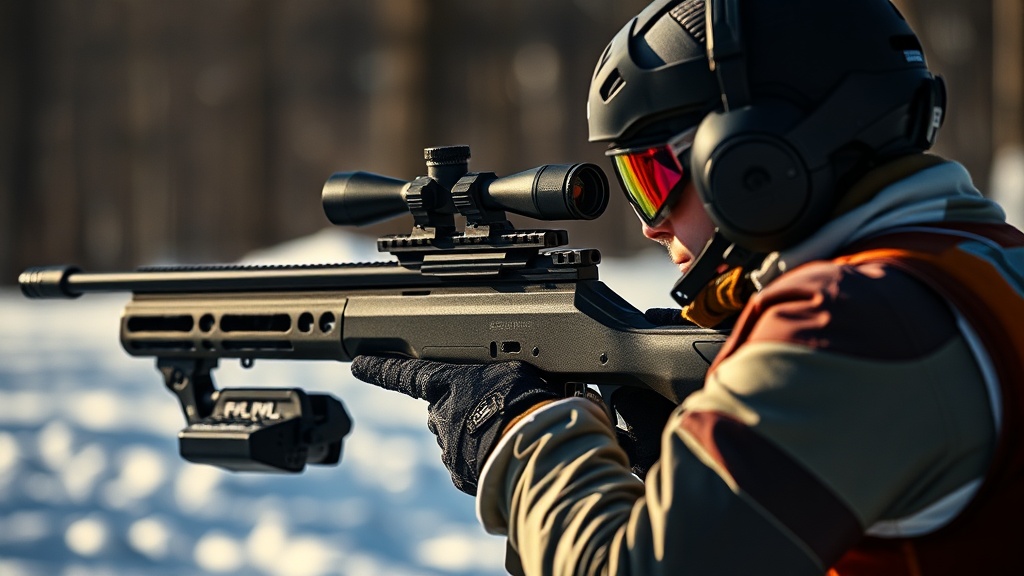
Biathlon itself is a unique blend of cross-country skiing and precision rifle shooting—a combination that has captivated audiences since the sport was first included in the Olympic program in 1960 for men and 1992 for women. Athletes navigate trails ranging from 1.5 to 3.5 kilometers (approximately 0.9 to 2.2 miles), all while carrying a .22 caliber rifle that weighs around 8 pounds. The introduction of laser rifles, which simulate the look and feel of traditional biathlon rifles but use lasers instead of bullets, offers a safer training alternative that can be utilized in various environments without the risk of injury.
In 2023, the International Biathlon Union (IBU) initiated a program aimed at helping youth athletes gain exposure to the sport. This effort involved supplying biathlon organizations worldwide with rifles. In the 2023-24 season, 42 national federations applied for support, leading the IBU to distribute 365 laser rifles, ten of which were allocated to U.S. Biathlon. Farra and his team have been proactive in identifying the largest youth cross-country ski festivals to showcase biathlon. For instance, an event held in Soldier Hollow, Utah, drew approximately 650 young skiers, with more than 2,400 children introduced to the sport through these initiatives.
Farra’s approach is straightforward: "Every cross-country skier should know about biathlon, and all these kids should at least have the opportunity to try it. That’s been our strategy." This strategy has been further enhanced by providing laser rifles to select Nordic ski centers for short periods, enabling them to host clinics and races. Last season, four centers participated, including the Glacier Nordic Club in Whitefish, Montana, and the Auburn Ski Club in Truckee, California.
Jennie Bender, executive director and coach at Glacier, noted that introducing biathlon to their community aligns well with Montana's outdoor recreation culture. "The laser rifles look real and have a great training feel," Bender said. Meanwhile, Gus Johnson from the Auburn Ski Club indicated that due to recent changes in California firearms laws, their previous ability to loan .22-caliber rifles to beginners had been curtailed. This has made the transition to a laser rifle-based program not only practical but essential for their outreach efforts.
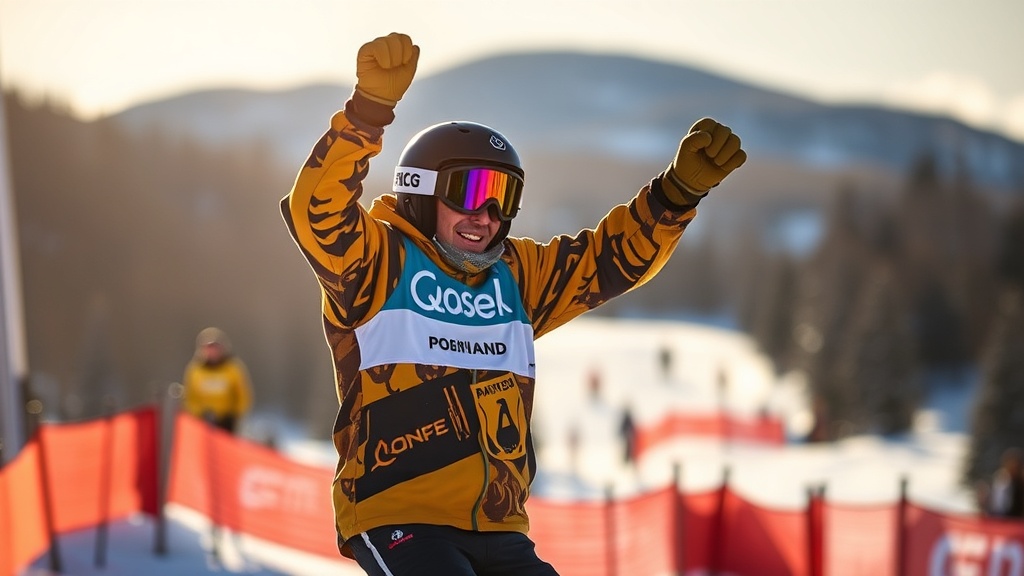
As the Olympic biathlon competition approaches, set to commence in Anterselva, Italy, on February 8, the U.S. team prepares to compete with high hopes. With these promising developments in infrastructure and youth engagement, the future of biathlon in the United States looks brighter than ever. The groundwork being laid today may very well lead the U.S. to its first Olympic medal in this challenging and exciting sport.