Understanding the Posse Comitatus Act and Its Implications for Military Use
The Posse Comitatus Act limits military involvement in domestic law enforcement, with exceptions under the Insurrection Act.
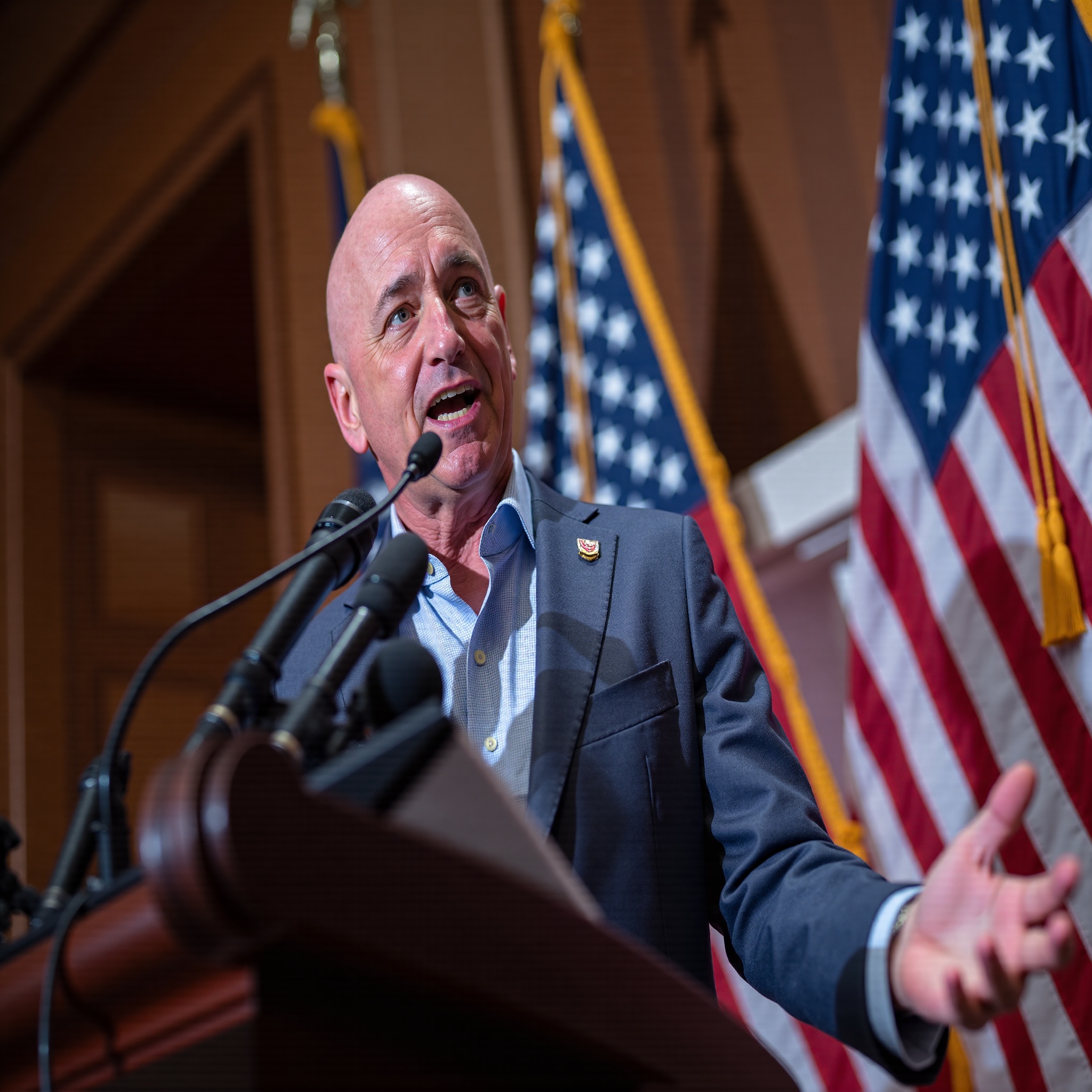
The Posse Comitatus Act (PCA), established in 1878 and codified in 18 U.S.C. 1385, is a significant federal law that restricts the deployment of U.S. military forces in domestic law enforcement roles. This law was enacted in response to the use of federal troops during Reconstruction and aims to maintain a clear division between military and civilian authorities. Under the PCA, the president is prohibited from unilaterally sending federal troops or the National Guard into states to address local criminal activities. This limitation reflects a longstanding principle in American governance that seeks to prevent military overreach into civil matters.
However, there are exceptions to this rule, most notably the Insurrection Act. This act grants the president the authority to deploy federal troops when faced with insurrections or rebellions that threaten the stability of the government. The Insurrection Act allows for a federal response to situations where local authorities are unable to maintain order or when there is a direct challenge to governmental authority. This exception underscores the delicate balance between maintaining order and protecting civil liberties in the United States.
In recent discussions surrounding domestic military deployment, it is critical to understand the legal framework established by the PCA and the Insurrection Act. Policymakers and military leaders must navigate these laws carefully to ensure that any deployment of troops is justified and adheres to constitutional guidelines. The PCA remains a cornerstone of American civil-military relations, emphasizing the importance of civilian control over military forces and the necessity of legal frameworks to govern their use in domestic situations. As debates continue regarding the role of military forces in civil emergencies, the implications of these laws will remain at the forefront of legal and political discourse in the country.