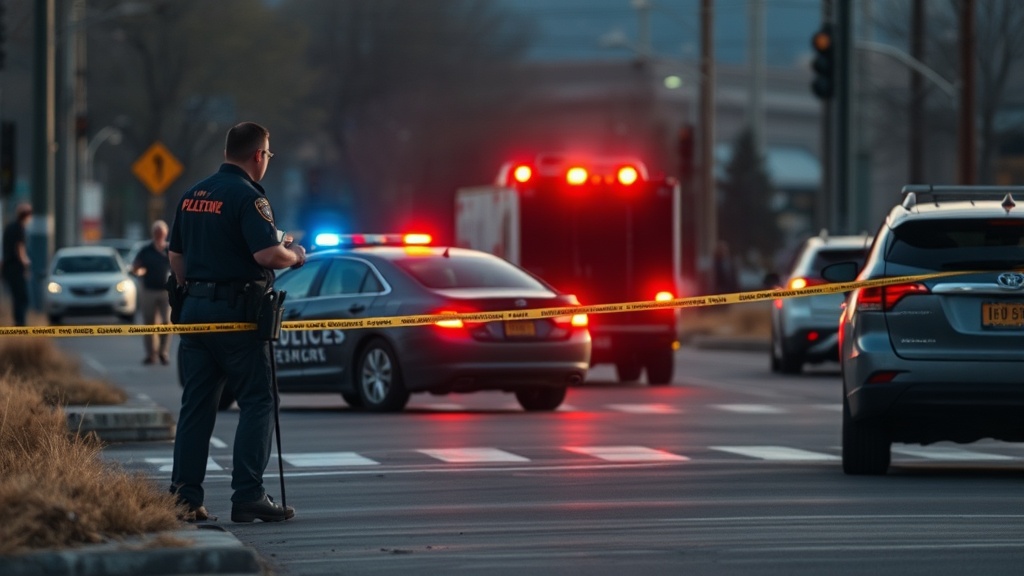
Tyler Robinson Defense Seeks Disqualification of Prosecutors in Aggravated Murder Case
Tyler Robinson's defense team is seeking to disqualify prosecutors due to a conflict of interest in the aggravated murder case involving Charlie Kirk.
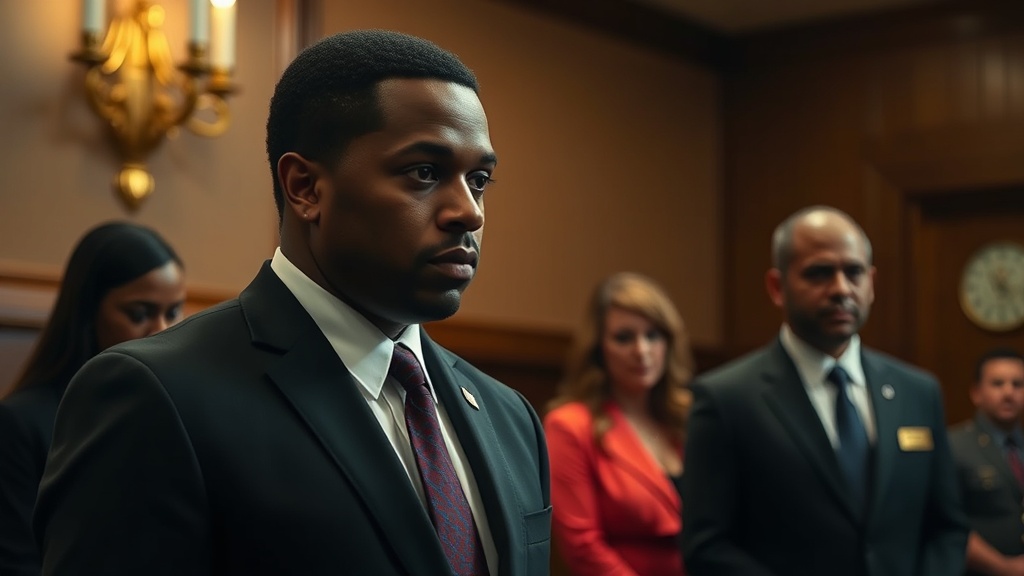
In a significant development in the case surrounding the alleged shooting of Charlie Kirk on September 10, 2023, Tyler Robinson's defense team has filed a motion requesting the disqualification of prosecutors from the Utah County Attorney's Office due to an alleged conflict of interest. Robinson, who faces charges of aggravated murder following the incident on the Utah Valley University campus in Orem, is expected to appear in court on Friday as this legal battle unfolds. Prosecutors have indicated their intention to seek the death penalty should Robinson be convicted.
The shooting incident, which occurred during an outdoor rally attended by several thousand people, has garnered widespread media attention due to its high-profile nature. Charlie Kirk, co-founder of the conservative organization Turning Point USA and a prominent figure in mobilizing youth support for former President Donald Trump, was addressing the audience when he was shot. The chaos that ensued was significant, and the atmosphere was described as frantic.
One of the key aspects of the defense's argument for disqualification stems from the fact that an 18-year-old child of a deputy county attorney was present at the event. This individual, whose identity has been redacted from court documents, later communicated with their parent, a prosecutor in the Utah County Attorney's Office, to relay details of the incident. The defense alleges that this relationship creates a conflict of interest that could compromise the integrity of the prosecution.
In court filings, the defense team expressed their concerns, stating that the relationship between the deputy county attorney and their child raises serious questions about the objectivity of the prosecution in this case. They contend that the emotional connection could influence prosecutorial decision-making, potentially leading to biased actions against Robinson. Furthermore, the defense suggests that the haste with which the prosecution has moved to pursue the death penalty reflects an emotional response rather than a measured judicial process.
In an affidavit submitted by prosecutors, it was noted that the child of the deputy county attorney did not witness the shooting directly but was instead informed of the incident through the crowd's reaction. The child reported hearing a loud sound, akin to a pop, followed by someone yelling that Kirk had been shot. This account was corroborated by text messages sent to a family group chat, indicating the chaotic scene that unfolded during the rally. Despite the traumatic nature of the event, the child reportedly did not experience lasting trauma and continued to attend classes and activities without interruption.
Utah County Attorney Jeffrey Gray has urged the court to deny the defense's request for disqualification, arguing that the relationship between the deputy county attorney and their child does not pose a significant risk of bias. Gray emphasized that the child is neither a material witness nor a victim in the case and that their knowledge of the homicide is largely based on hearsay. He stated in court filings, "Under these circumstances, there is virtually no risk that it would arouse such emotions in any father-prosecutor as to render him unable to fairly prosecute the case."
As the case progresses, the implications of this motion could have a substantial impact on how the prosecution proceeds. If the court were to grant the disqualification, it would necessitate the appointment of new prosecutors, potentially delaying the proceedings and complicating an already complex legal scenario. The court's decision on this matter is eagerly anticipated by both the defense and the prosecution, as well as the public, given the high stakes involved.
In addition to the motion for disqualification, the defense has also sought to limit media access to the proceedings, citing the need to protect Robinson's presumption of innocence. Judge Tony Graf has already taken steps to restrict the publication of images, videos, and live broadcasts depicting Robinson in restraints, aiming to maintain the integrity of the judicial process. However, the judge has yet to rule on the defense's request to ban cameras entirely from the courtroom, leaving open the possibility for continued media coverage of this high-profile case.
As the preliminary hearing approaches, scheduled to begin on May 18, prosecutors are expected to present evidence linking Robinson to the shooting. Reports indicate that text messages and DNA evidence may play a crucial role in establishing a connection between Robinson and the crime. In one alarming message to his romantic partner, Robinson allegedly expressed his intent to target Kirk, claiming he had "had enough of his hatred."
The legal proceedings surrounding this case continue to unfold, drawing public attention and raising questions about the complexities of justice in high-stakes situations. As both sides prepare for the upcoming hearings, the ramifications of the court's decisions could resonate far beyond the immediate case, touching on broader issues of prosecutorial ethics and the intersection of personal relationships within the legal system.