The Transformation of Park City: A Look Back at the Hippie Invasion
The hippie invasion transformed Park City, blending old mining traditions with new counterculture, shaping the town's identity today.
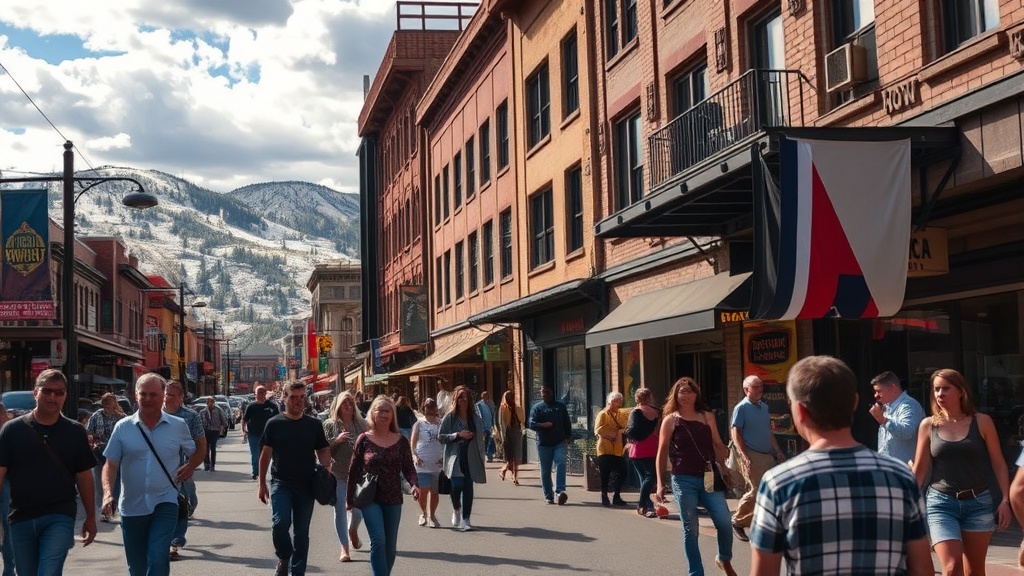
In the early 1960s, Park City, Utah, was on the brink of transformation. With the decision by United Park City Mines to open a ski resort in the heart of the town, residents were filled with a sense of optimism and excitement. The announcement was celebrated during Bonanza Day in May 1963, a festive occasion that culminated in a groundbreaking ceremony for what would later become the Treasure Mountain Resort. This marked the start of a new era for Park City, which had long been known for its mining industry.
When the resort opened its doors in December 1963, the response was overwhelmingly positive. Locals and visitors alike flocked to the slopes, eager to experience skiing in a town previously dominated by blue-collar miners. However, the influx of tourists and seasonal workers brought with it a cultural shift that would redefine Park City over the next two decades. As the 1960s progressed, a new wave of residents began to settle in the area, comprised mainly of ski bums and hippies looking for freedom and adventure.
This rising population of young, free-spirited individuals significantly altered the social landscape of Park City, creating a juxtaposition between the long-time residents and the newcomers. The traditional miners, who had built their lives around hard work and the mining industry, found themselves navigating a community increasingly filled with eclectic characters and alternative lifestyles. While some older residents were resistant to this change, many others embraced the diversity brought by the newcomers, leading to moments of camaraderie and, at times, conflict.
In 2013, Gary Kimball, a local historian, recounted these pivotal years during an oral history session with media personality Larry Warren. Kimball's reflections reveal the mixed feelings many longtime residents had about the new arrivals. "Most of them didn’t see much of their new neighbors," he explained, acknowledging that while some residents were open to the changes, others remained skeptical. "Some people did like them. You know, they were kind of fun. Hell, I had some hippie friends that I thought were, you know, kind of neat."
One of the more memorable figures from this era was Justin Allusion, who, along with his partner humorously named Jesus Christ, sought a business permit to open a shop on Main Street. Their unconventional names and appearance—a direct reflection of the counterculture movement—caught the attention of local authorities. Kimball recalled a humorous incident when the town marshal was incensed at their request, exclaiming, "Can you believe that, can you believe that they want a license?" The situation was exacerbated by the unmistakable scent of marijuana that wafted from their application forms, further solidifying the cultural divide.
Additionally, the presence of characters such as Charlie Brown, who worked at a local grocery store, added to the vibrant tapestry of Park City during this time. Brown was enlisted to label souvenir items, demonstrating the entrepreneurial spirit of the hippie community as they sought to blend into the local economy. This melding of traditional and modern influences created a unique environment where both old and new Parkites coexisted, albeit sometimes uneasily.
As the 1970s unfolded, the tension between the established residents and the newcomers continued to shape the town's identity. Many locals were initially skeptical of the hippies, viewing them as a disruptive force that threatened the traditional values of Park City. However, over time, the community began to recognize the contributions of the ski bums and hippies, who not only enriched the local culture but also supported the burgeoning tourism economy.
Ultimately, the transformation of Park City during this period was not merely about the influx of new residents but also about the blending of two distinct cultural identities. The miners' hard-working ethos met the laid-back lifestyle of the hippies, resulting in a unique community dynamic that continues to influence Park City’s identity today. Gary Kimball's decision to embrace the change rather than resist it reflects a broader sentiment among many residents who found joy in the diversity of their community.
For those interested in sharing their personal experiences from this transformative era, the Park City Museum offers opportunities for oral history interviews. Dalton Gackle, a researcher at the museum, encourages residents to reach out and document their memories, ensuring that the rich history of Park City continues to be celebrated and preserved for future generations.
In conclusion, the hippie invasion of Park City was a significant chapter in the town's history, showcasing the complexities of cultural change and community dynamics. As Park City continues to evolve, the legacy of its past serves as a reminder of the delicate balance between tradition and progress, inviting both locals and visitors to appreciate the unique character of this mountain town.