The Silent Disappearance: How Park City Is Losing Its Essential Workers
Park City faces a troubling issue as essential workers go missing, unnoticed in a community that relies on their labor.
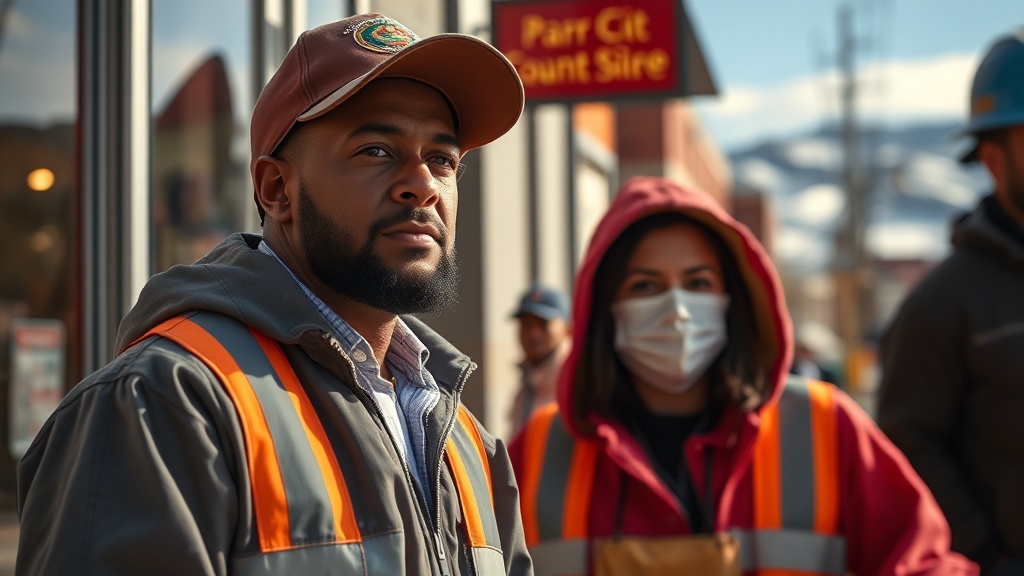
Park City, Utah, a community known for its vibrant ski culture and affluent lifestyle, is quietly grappling with a troubling issue: the unnoticed disappearance of essential workers who keep the town running. As Immigration and Customs Enforcement (ICE) raids sweep through the area, the impact is felt not through sirens or press conferences, but through an eerie silence and empty job sites that tell a story of loss.
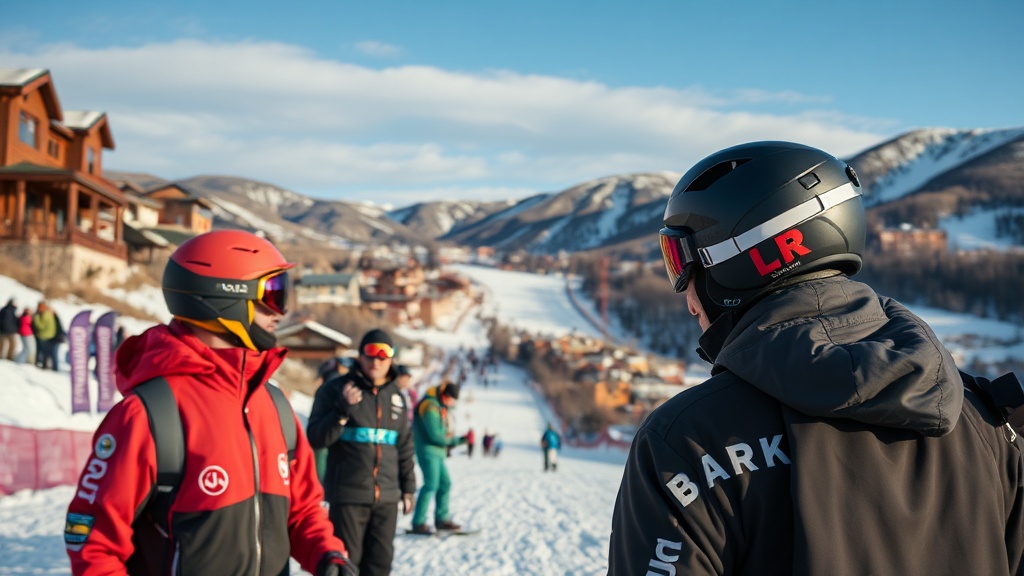
Local residents have begun to notice a growing absence in familiar faces around town—workers who clean hotel rooms, serve food, and maintain the very fabric of the community. Despite the bustling activities of apres-ski and the lively atmosphere of Main Street, the consequences of these raids are palpable. Workers who have long been a part of the town's daily life are vanishing, leaving employers scrambling to fill vacant positions and families uncertain of their future.
The silence surrounding these disappearances is stark. The community continues to function as though everything is normal, with restaurants remaining open and snow being cleared from the streets. Yet, the underlying issue of missing workers is rarely discussed openly. Conversations about city council campaigns garner more attention than the plight of those who labor behind the scenes, often living in the shadows of a community that relies heavily on their contributions.
Many of these workers are immigrants, like the author who reflects on her own family background. As the daughter of an immigrant from Canada, she understands the complexities of adaptation and invisibility that come with being part of a marginalized group. Her mother, who grew up poor in a small town, carried her heritage and resilience into a new life in Detroit. This personal narrative resonates with the current workforce in Park City, who, despite their essential roles, remain largely unrecognized and uncelebrated.
The author points out that the American West has historically been shaped by the labor and endurance of individuals whose names often go unrecognized. The community's collective memory must include these contributors to fully appreciate the tapestry that forms modern Park City. As the town celebrates its history of miners and settlers, it must also confront the present reality that the workers who keep businesses running may be overlooked or forgotten.
The recent ICE actions have not only affected the workers but have also sparked conversations about belonging and community identity. Questions arise about who is truly considered part of Park City and who is not. If those who sustain the economy can disappear without notice, it raises critical questions about the community's values and priorities.
Park City has been known for its meticulous attention to the historical narratives that define it. However, these narratives often focus on the past, sidelining the stories of those currently shaping the community. The author urges Park City residents to reflect on their own relationship with the people who contribute to their daily lives, emphasizing that these individuals are not merely statistics but are integral to the community's identity.
As the town continues to thrive, it must remember that a community that forgets its labor force risks losing more than just its workers; it risks losing its story. The essence of a place is often tied to the people who build it, and when these individuals become invisible, so too does the narrative that binds the community together.
In conclusion, Park City faces a pivotal moment. The town must recognize the importance of its essential workers and the contributions they make every day. By acknowledging these individuals, Park City can ensure that it remains a community that values all of its members—past, present, and future. If the town continues to overlook those who keep it functioning, it may find itself not just losing workers, but losing its very soul.