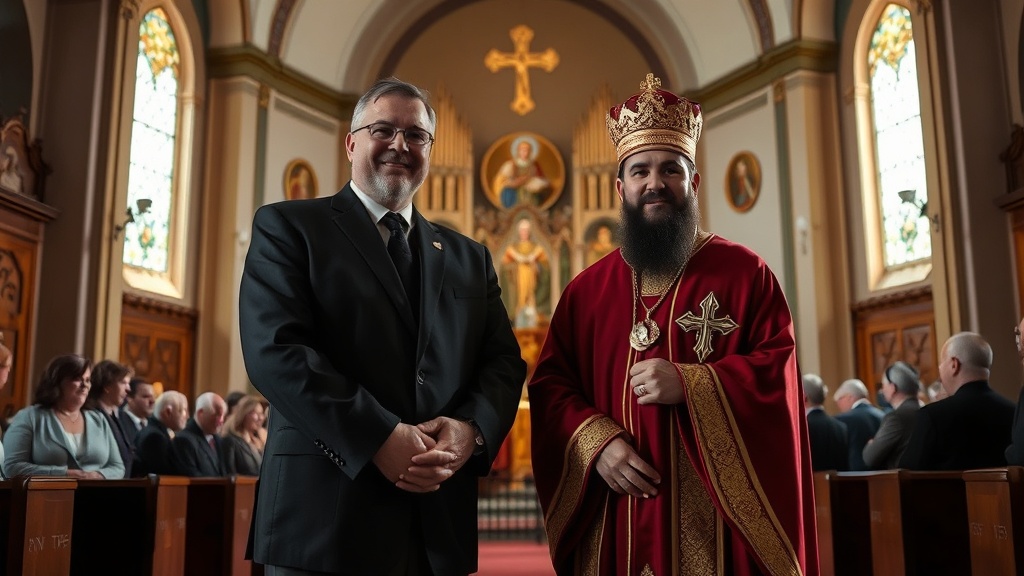
The Process of Selecting New Apostles in the LDS Church: Tradition and Change
The selection of apostles in the LDS Church reveals deep traditions and modern shifts, reflecting a commitment to inclusivity in leadership.

The selection of new apostles in The Church of Jesus Christ of Latter-day Saints (LDS Church) is one of the most significant responsibilities undertaken by its leaders, particularly the church president. This solemn duty not only shapes the future of the church but also impacts its millions of members worldwide. The history and tradition surrounding this process reveal a blend of deep-rooted customs and modern adjustments, reflecting both continuity and change within the faith.
The tradition of selecting apostles dates back to the early days of the church in the 19th century, when Joseph Smith, the church's founder, appointed the first apostles to help lead the burgeoning religious movement. Since then, the role of an apostle has evolved, with members of the Quorum of the Twelve Apostles serving as key leaders and spiritual guides within the church. Historically, many of these leaders have come from a lineage of church members who are often referred to as 'LDS royalty,' meaning they are descendants of prominent church figures. This legacy can influence the selection process, as family ties often play a role in the perceived qualifications of potential candidates.
In recent years, however, the LDS Church has seen a shift in this dynamic. The appointment of Dieter Uchtdorf as an apostle in 2004 marked a significant change in the traditional approach to leadership selection. Uchtdorf, born in Germany and a former airline pilot, was viewed as an outsider to the typical mold of church leadership. His elevation to the Quorum of the Twelve Apostles surprised many within the church community, as he did not come from the traditional backgrounds that often characterize church leadership. Uchtdorf's selection is seen as a reflection of a more global church, one that embraces diversity and recognizes the contributions of members from various backgrounds.
The process of selecting a new apostle typically begins with the president of the church, who is believed to be guided by divine revelation in making these crucial decisions. After the passing or resignation of an apostle, the church president consults with other senior leaders known as the First Presidency and the Quorum of the Twelve Apostles. Together, they pray and seek inspiration to identify a suitable candidate who will fulfill the responsibilities of the role. This method underscores the spiritual dimension of the selection process, which is central to the church's beliefs.
Once a candidate is identified, the church president officially announces the new apostle during a general conference, a biannual gathering of church members. This moment is often met with great anticipation and excitement, as congregants await news of who will be appointed to this prestigious position. The announcement is not only significant for the individual chosen but also serves as a moment of reflection for the church community, as it prompts discussions about the future direction of the church and its leadership.
In addition to Uchtdorf, other recent appointees have also illustrated this evolving trend within the church’s leadership. For instance, in 2018, the church appointed Gerrit W. Gong, the first Asian American apostle, highlighting a commitment to inclusivity and representation. These choices indicate an intentional effort to broaden the church's leadership base and move away from a more homogeneous representation that characterized earlier apostolic selections.
The implications of these changes are profound. As the LDS Church continues to grow globally, it faces challenges in remaining relevant and addressing the needs of a diverse membership. By selecting leaders who reflect a wider array of backgrounds and experiences, the church aims to foster a sense of belonging among its members, regardless of their heritage. The selection of apostles is thus not merely a matter of filling positions but rather a strategic move to strengthen the church's global presence.
In conclusion, the process of naming new apostles within The Church of Jesus Christ of Latter-day Saints is a blend of tradition, spirituality, and evolving practices. While historical ties to 'LDS royalty' still influence perceptions of leadership, recent appointments signal a shift toward a more inclusive and diverse representation. As the church navigates its future, the selection of apostles will remain a critical factor in shaping its direction and the spiritual lives of its members worldwide.