The Importance of Public Lands Management for Utah Residents
Public lands in Utah are vital for community access and enjoyment, requiring transparent management.
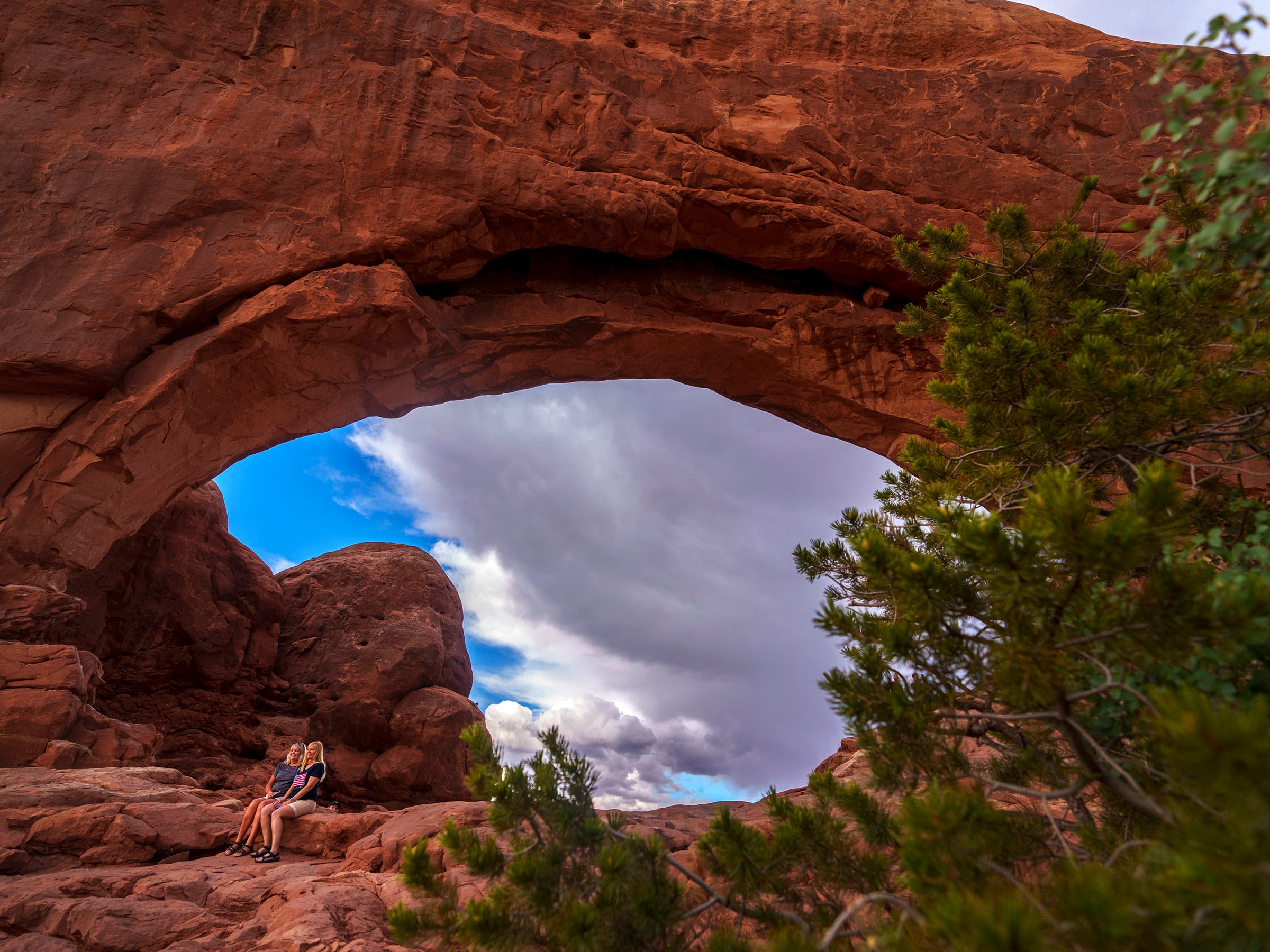
Public lands in Utah are crucial for community access and enjoyment. These areas provide recreational opportunities, preserve natural beauty, and support local ecosystems. Many families, including those from urban backgrounds, have historically benefited from access to national parks and public lands. For instance, Sequoia National Park has been a destination for families seeking natural experiences away from city life. Such parks serve as a refuge for many, offering activities such as hiking, camping, and nature observation. The accessible nature of these public lands allows individuals from diverse economic backgrounds to experience the outdoors. The management of these lands is essential to ensure that they remain accessible and sustainable for future generations. Decisions regarding public land management should be transparent and involve community input to reflect the needs of all citizens. The role of local and federal agencies is to protect these areas while allowing for public use and enjoyment. The legacy of public lands is tied to their accessibility and the experiences they offer to families and individuals alike. Ensuring that these lands are maintained and managed in a way that prioritizes public access is fundamental to their purpose. This commitment to transparency and community engagement is vital for the stewardship of such resources. As the state continues to grow, the importance of public lands becomes even more pronounced. They not only serve as a recreational hub but also as a critical component of Utah's identity and heritage. The future of these lands relies on responsible management practices that keep them in public hands while fostering an inclusive approach to their use and preservation.