The Impact of Utah's Arts Education: A Look at Its Lasting Benefits
Three Utah arts professionals reflect on their education's lasting impact and call for continued support for arts programs.

In Utah, a unique blend of arts education has flourished within its K-12 and university systems for decades, producing a generation of creatives who have made significant contributions to their communities. Three arts professionals, each with more than 30 years of experience in their respective fields, reflect on the transformative power of this educational investment in the arts. Their journeys highlight the importance of continued support for arts programs, especially as today’s students navigate an increasingly competitive landscape.
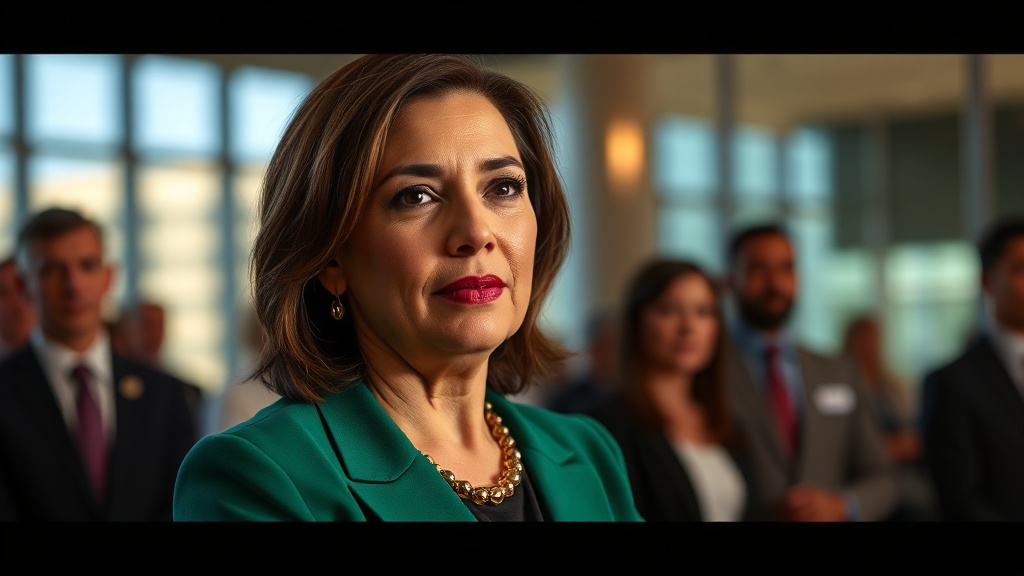
The trio—comprising a theatre director, a visual artist, and a choral conductor—attributes their professional success to the foundational arts training they received during their formative years in Utah schools. "Participating in theatre, visual arts, dance, and music not only nurtured my passion but also provided me with critical life skills such as teamwork, communication, and creativity that I utilize daily in my current role," said Sarah Mitchell, the theatre director, who has spent over 20 years shaping young talents in Salt Lake City.
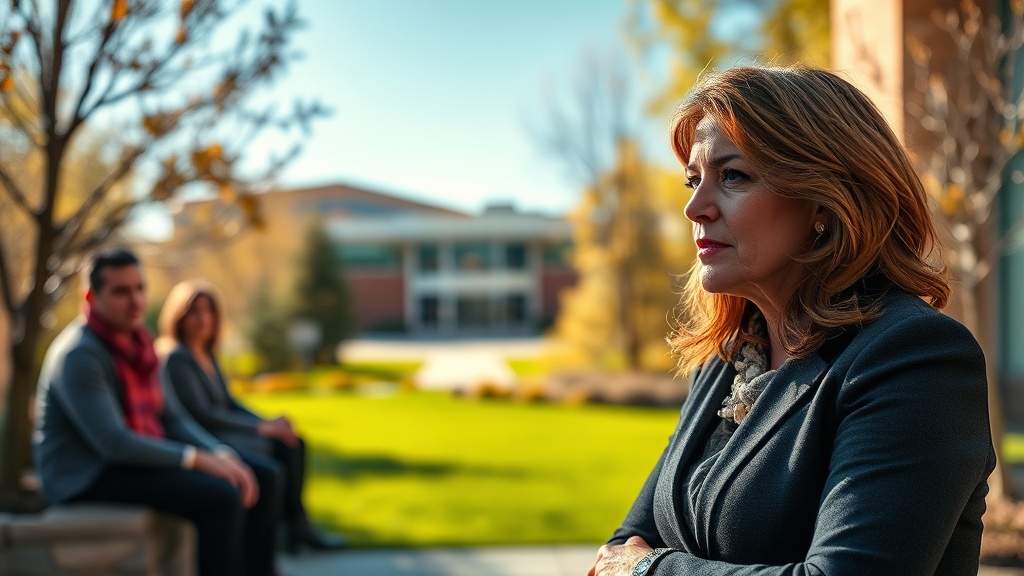
These professionals underscore that their involvement in the arts was not merely an extracurricular activity; it was a lifeline that bolstered their mental health during tumultuous teenage years. John Reynolds, the visual artist, recalls, "Art classes were a safe haven for me. They allowed me to express my emotions and cope with the challenges of adolescence. Without that space, I don't know how I would have navigated those years."
The mental health benefits of engaging in the arts are well-supported by research, indicating that creative outlets can reduce anxiety, depression, and stress. A study conducted by the National Endowment for the Arts found that individuals who participate in the arts report higher levels of emotional well-being than those who do not. This correlation is particularly significant for children and adolescents, who are at a pivotal stage in their development.
Furthermore, the skills developed through arts education—such as critical thinking, problem-solving, and collaboration—are increasingly valued in today’s job market. According to a report from the Utah Division of Arts and Museums, the creative sector contributes over $1 billion to the state’s economy annually and employs thousands of residents. This underscores the growing recognition of the arts as essential components of a well-rounded education.
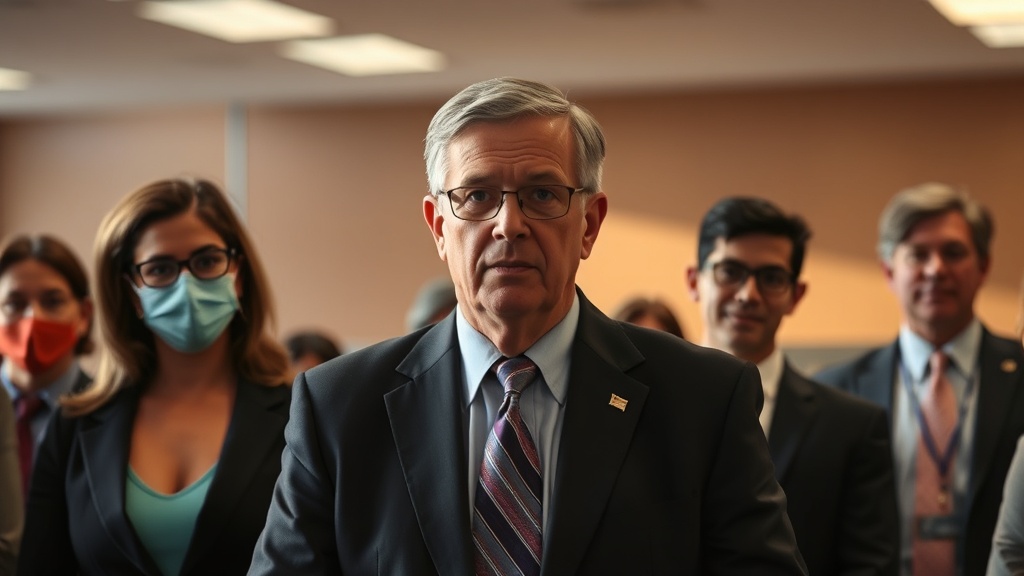
However, despite the clear benefits and the historical investment in arts education, there are growing concerns about funding cuts and reduced access to these programs in Utah schools. As school districts grapple with tight budgets, arts programs are often the first to face the chopping block. "It’s disheartening to see the very programs that shaped our lives being diminished or eliminated altogether," said Linda Chang, the choral conductor, who is also an advocate for arts education in her community.
Advocates argue that access to arts education should be a right, not a privilege. They emphasize that all students—regardless of socio-economic background—should have the opportunity to explore their creativity and develop their talents. Community organizations and local artists are rallying to raise awareness and funds to support arts programs across the state, but the challenge remains significant.
In light of these challenges, the question arises: Will today’s students receive the same opportunities that previous generations enjoyed? As the arts professionals reflect on their experiences, they express concern about the future of arts education in Utah. "We are living proof that investment in the arts pays off, not just for individuals but for the community as a whole. We need to ensure that the next generation has access to these life-changing experiences," Mitchell stated passionately.
The implications of dwindling arts education extend far beyond individual students; they affect the cultural fabric of communities and the economic vitality of the state. A vibrant arts scene fosters creativity and innovation, essential drivers of economic growth. As Utah continues to grow and evolve, the arts must remain a priority in educational funding and policy-making.
In conclusion, the reflections of these three arts professionals serve as a powerful reminder of the enduring impact of arts education. Their stories illustrate not just personal success, but a broader narrative about the importance of nurturing creativity in future generations. As Utah navigates the complexities of educational funding and prioritization, the commitment to arts education must be upheld to ensure that today's students can access the same enriching opportunities that have shaped the lives of so many before them. The arts do not just enhance individual lives; they enrich communities and contribute to a thriving society. It is imperative that stakeholders recognize this and work together to safeguard the future of arts education in Utah.