Supreme Court's Decision on Mail-in Ballots Could Impact 18 States
The Supreme Court is set to rule on mail-in ballots received after Election Day, affecting 18 states.
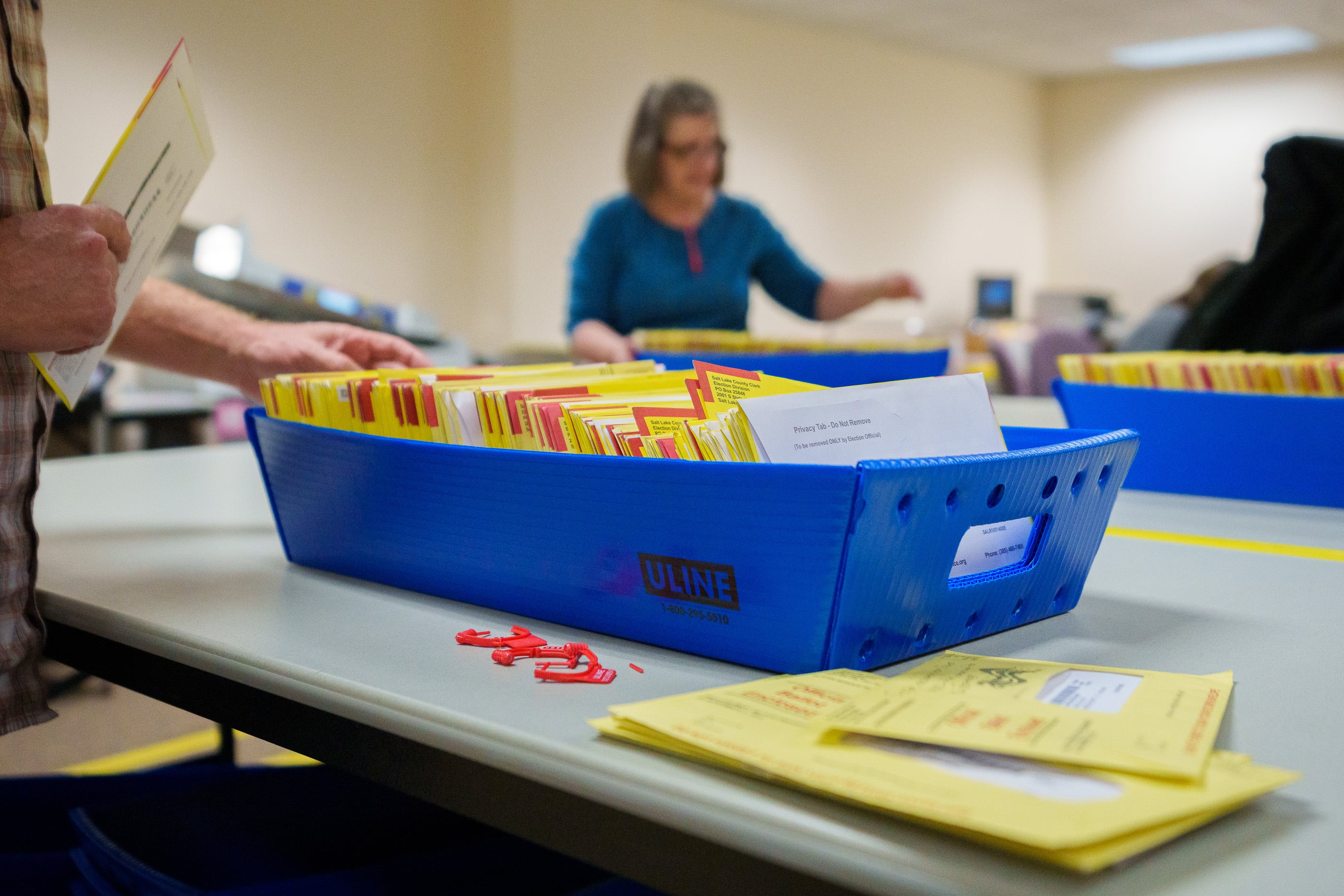
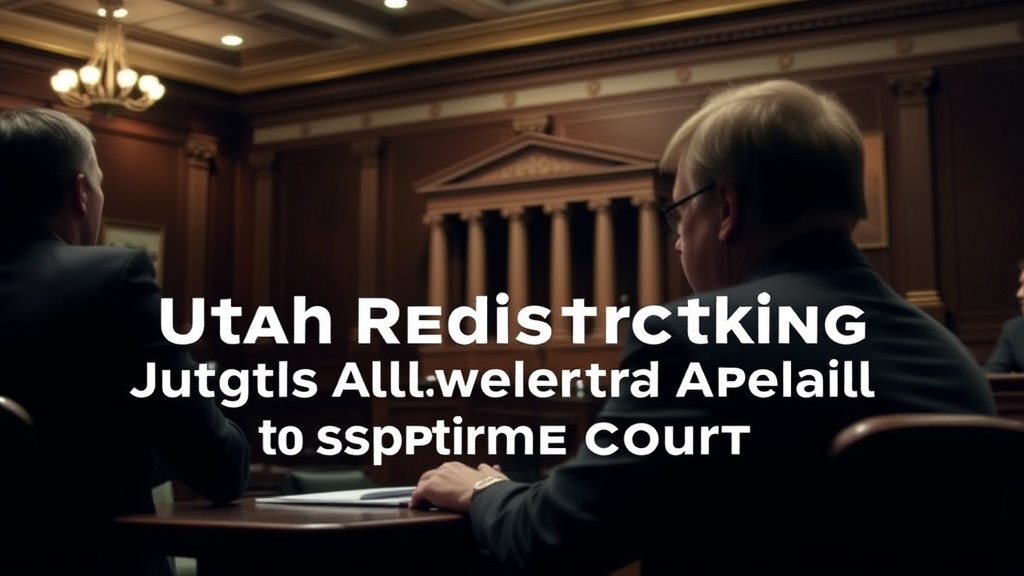
The Supreme Court is preparing to make a significant ruling regarding mail-in ballots this term. The case at hand involves a law from Mississippi, which has raised questions about the validity of ballots that arrive after Election Day. Currently, approximately 18 states and territories allow these late-arriving mail-in ballots to be counted, provided they are postmarked by Election Day itself. This legal examination is crucial as the outcome could influence election procedures across multiple states.
Mail-in voting has become increasingly popular, especially during recent elections, as it offers a convenient option for many voters. However, the regulations surrounding when these ballots can be counted vary significantly from state to state. The Supreme Court's decision will provide clarity on whether states have the authority to include ballots that arrive after the official deadline, as long as they bear the proper postmark.
As states prepare for upcoming elections, the implications of this ruling could be far-reaching. If the Court decides in favor of counting late mail-in ballots, it may encourage other states to adopt similar policies or maintain their current practices. Conversely, a ruling against the counting of late ballots could lead to stricter deadlines and potentially disenfranchise voters who rely on mail-in voting.
The case not only affects the voters in Mississippi but also sets a precedent that could resonate in the broader context of election law across the nation. Legal experts are closely monitoring the proceedings, recognizing that the ramifications of the Court's decision could alter the landscape of voting in America. As the Supreme Court deliberates, the nation awaits a verdict that will determine how mail-in ballots are treated in future elections, highlighting the ongoing debates about voting access and election integrity.