Santaquin Residents Voice Concerns Over Proposed Data Center Development
Residents of Santaquin are divided over a proposed data center, citing environmental concerns and potential economic benefits.
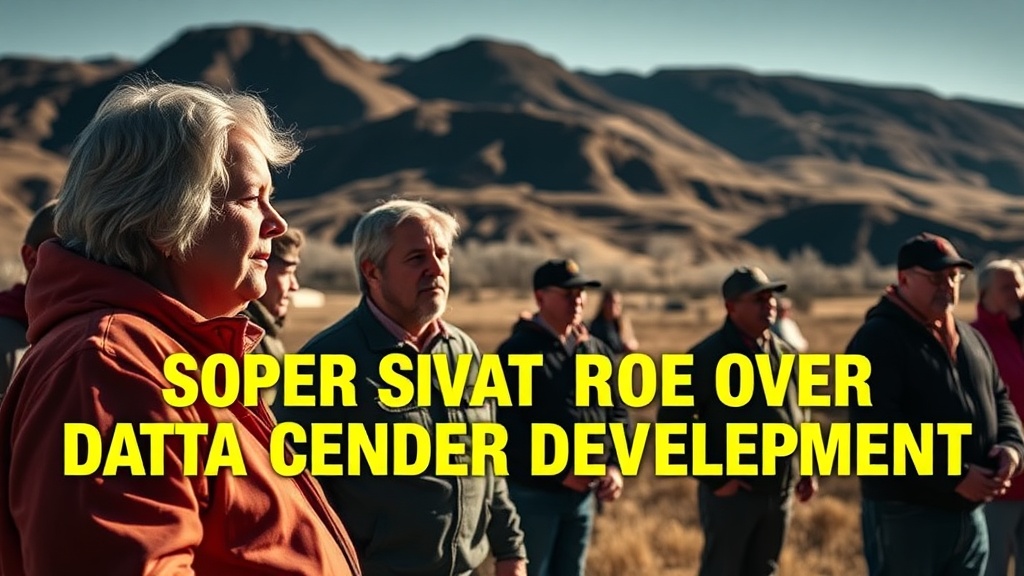
Santaquin, Utah – A proposed data center in Santaquin has sparked a heated debate among residents, with some voicing strong opposition based on environmental and infrastructural concerns, while others argue it could provide significant economic benefits for the community. As the city council prepares to deliberate on the project's approval, the dialogue surrounding the data center is intensifying, highlighting the complex interplay between technological advancement and community needs.
The proposed data center, planned to be constructed on a 50-acre site near the intersection of Main Street and 1600 South, is part of a broader trend in Utah, which has become a hotspot for data center development due to its favorable climate and availability of land. Proponents of the facility argue that it could bring job opportunities, increase local tax revenue, and stimulate economic growth in the region. They point to the potential for new jobs in construction, maintenance, and operations, which could be a boon for a community that has seen steady growth over the past decade.
"This data center could be a significant opportunity for Santaquin," said John Miller, a local business owner and supporter of the project. "It could create jobs and attract new businesses to the area, helping our economy thrive."
However, not all residents share Miller's enthusiasm. A growing number of community members have raised concerns regarding the environmental impact of the data center, particularly its potential water usage and energy consumption. Critics warn that the facility could exacerbate existing water scarcity issues in the region, especially during the hot summer months when demand for water peaks.
"We are already facing challenges with our water supply, and adding a data center that could use millions of gallons of water each year seems reckless," stated Linda Johnson, a longtime resident of Santaquin and an outspoken opponent of the project. "We need to prioritize sustainable development that aligns with our community values."
In addition to concerns about water usage, residents have also expressed worries about the potential strain on local infrastructure, particularly roads and utilities. As the city experiences rapid growth, many feel that the existing infrastructure may not be equipped to handle the increased traffic and utility demands that a large data center would bring.
"Our roads are already congested during peak hours, and adding more traffic from a data center could create dangerous situations," commented Tom Richards, a Santaquin resident who has been actively opposing the project. "The city needs to address these issues before moving forward with any new developments."
To address these concerns, the Santaquin City Council has scheduled a public hearing to allow residents to voice their opinions and gather feedback before making a final decision. City officials have emphasized the importance of community involvement in the planning process and have encouraged residents to share their thoughts, whether in support of or against the data center.
"We want to ensure that all voices are heard in this process," said Mayor Sarah Thompson. "This project has the potential to bring significant benefits to Santaquin, but we also recognize the need to address the valid concerns raised by our residents. Our goal is to find a balance that works for everyone."
In response to the opposition, the developers of the data center have proposed several measures aimed at mitigating environmental impacts, including plans to implement energy-efficient technologies and water conservation practices. They have also indicated a willingness to collaborate with the city to improve local infrastructure in anticipation of increased demand.
Despite these proposed measures, many residents remain skeptical. Opponents argue that the promises of mitigation are not enough to outweigh the potential long-term consequences of such a large-scale facility in their community. The tension surrounding the proposed data center highlights broader concerns about the rapid pace of technological development and its implications for small towns like Santaquin.
As the public hearing approaches, the community remains divided, with passionate voices on both sides of the issue. Many residents are hopeful that the upcoming discussions will lead to a thorough examination of the potential impacts of the data center and that the city council will take the necessary steps to prioritize the well-being of its residents.
In the coming weeks, Santaquin will inevitably face decisions that could shape its future. Whether the proposed data center moves forward or is ultimately halted, the ongoing dialogue reflects a community grappling with the complexities of growth, technology, and sustainability in a rapidly changing world. As the city navigates these challenges, the voices of its residents will play a crucial role in determining the path forward for Santaquin.