Sandy Police Officer Cleared in Fatal Shooting of Autistic Teen in Stolen Van
A Sandy police officer is cleared in the fatal shooting of an autistic teen, raising concerns about police training and mental health awareness.
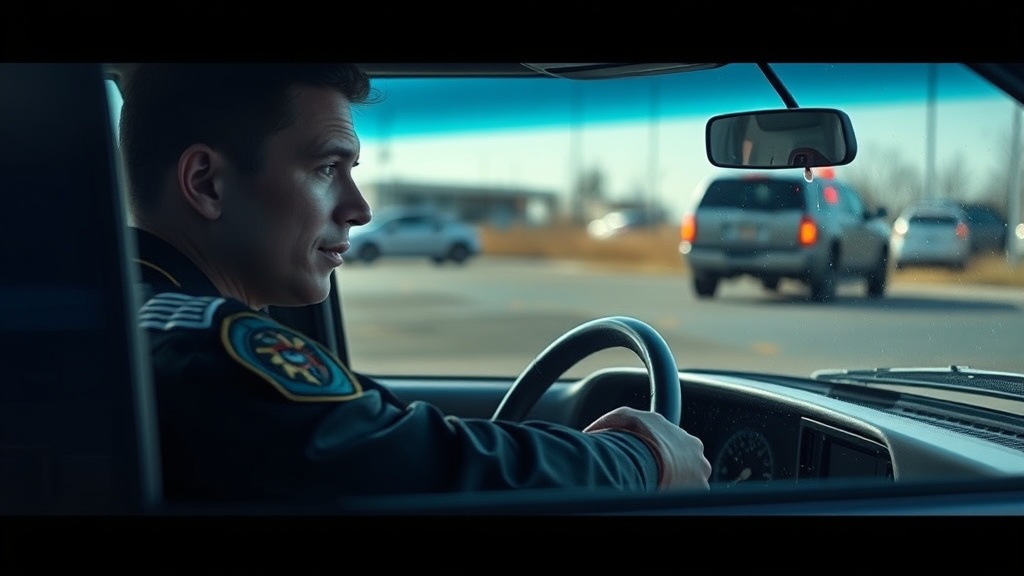
A Sandy police officer has been deemed legally justified in the shooting death of a 16-year-old boy with autism, who was driving a stolen van. The incident, which occurred earlier this year, has sparked discussions about police use of force, mental health awareness, and community safety. The officer, whose identity has not been disclosed, was responding to reports of a theft when he encountered the van driven by the teenager, identified as Mason H.
On the day of the incident, police received a call about a stolen vehicle. Shortly after, officers spotted the van and pursued it. According to police reports, the van was driven erratically, prompting officers to take action. When the officer approached the vehicle, Mason allegedly veered towards him, leading the officer to believe his life was in danger. The officer fired several shots, striking Mason, who was later pronounced dead at the hospital.
The investigation into the shooting was comprehensive, involving both local and state authorities. The Sandy Police Department requested an independent review to ensure an impartial assessment. The findings, released on Friday, concluded that the officer acted within the bounds of the law given the circumstances he faced. The report indicated that the officer had no prior knowledge of the teen’s autism, nor was there any indication that the officer had time to de-escalate the situation before feeling threatened.
Community reactions to the shooting have been mixed. Advocacy groups for individuals with disabilities have expressed deep concern over the handling of the situation. "This tragedy highlights the urgent need for police training on mental health issues and how to interact with individuals who may be in crisis," said Ashley T., a local activist. She emphasized the importance of understanding that individuals with autism may not react in ways that are expected by law enforcement.
In contrast, some community members have voiced their support for the officer, arguing that police are often placed in dangerous situations and must make split-second decisions. Supporters of the officer have pointed to the dangers inherent in pursuing stolen vehicles, notably that the driver may pose a threat not just to officers but to the public as well.
Moreover, the incident has prompted discussions about the broader implications of police interactions with individuals who have disabilities. Disability rights advocates are calling for increased training for police officers on how to recognize and respond to various mental health issues, hoping to prevent similar tragedies in the future. "It's crucial that law enforcement understands the nuances of mental health and autism, especially in high-pressure situations," emphasized another advocate, Mark L.
Mason’s family is devastated by the loss. They described him as a sweet, gentle boy who enjoyed music and art. According to relatives, Mason had been diagnosed with autism at an early age and faced challenges in social situations, but he was also known for his kindness and creativity. The family has stated their intention to seek legal action against the police department, claiming that the officer should have used non-lethal methods to address the situation.
As the community grapples with the implications of this tragic incident, many are calling for a broader dialogue on police reform and mental health awareness. The shooting has raised serious questions about how police departments across the country handle situations involving individuals with disabilities. It has also reignited debates on the need for systems that prioritize de-escalation and mental health crisis intervention.
In response to the shooting, local officials have indicated a commitment to reviewing police training protocols. Sandy Mayor, who has not commented directly on this specific incident, has previously emphasized the need for improved crisis intervention training for officers.
As the investigation wraps up and the community continues to mourn, the Sandy Police Department faces the dual challenges of rebuilding trust within the community and implementing changes that may prevent future tragedies. The incident serves as a reminder of the complexities involved in policing and the critical importance of understanding mental health in law enforcement.
The family of Mason H. continues to seek justice, while the community reflects on the lessons learned from this heartbreaking event. With ongoing discussions about the intersection of law enforcement and mental health, the hope is to foster a safer and more understanding environment for all individuals, especially those who may be vulnerable.
The Sandy police officer involved in the shooting has since returned to duty, as the investigation has cleared him of wrongdoing. However, the repercussions of that fateful day will undoubtedly linger in the hearts of many, serving as a call to action for change and understanding in the face of tragedy.