Salt Lake County Declines Charges in Autistic Teen's Fatal Police Shooting
Salt Lake County declines charges in a deadly shooting involving an autistic teen in a stolen vehicle, raising concerns about mental health and police protocols.

In a recent decision that has raised questions about law enforcement protocols and the treatment of vulnerable individuals, the Salt Lake County District Attorney's Office announced that it will not file charges in connection with a deadly officer-involved shooting that occurred in Sandy, Utah, in 2023. The incident involved a 16-year-old boy with autism, who was driving a stolen vehicle when he was shot by police officers. This case highlights the complex intersection of mental health, law enforcement procedures, and community safety.
According to a press release issued by the Salt Lake County District Attorney's Office, the decision not to file charges was made following an independent review consistent with established protocols for evaluating officer-involved critical incidents. The office emphasized that their review process involves assessing whether the use of deadly force was justified under the circumstances and whether officers acted within the scope of their official duties.
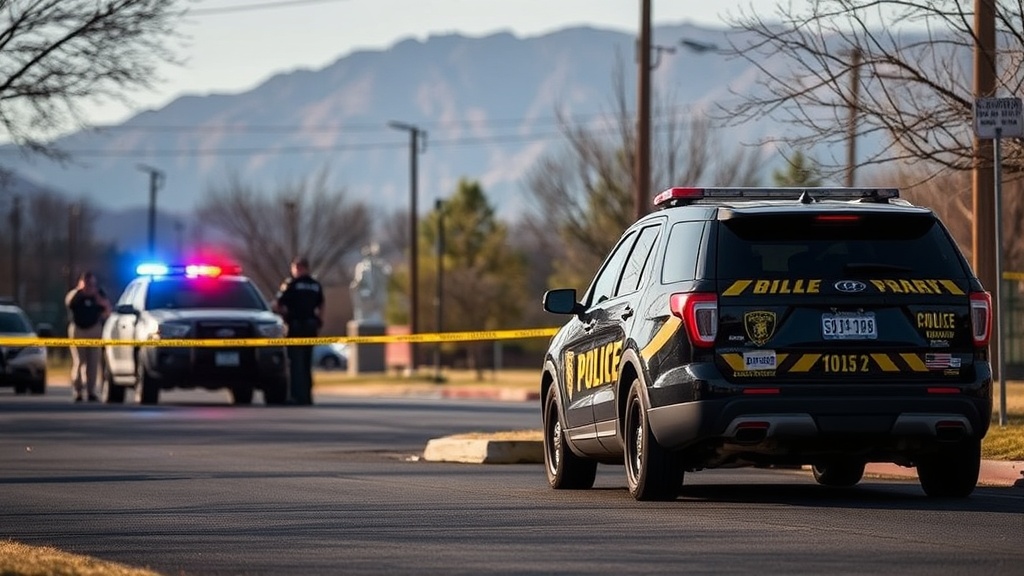
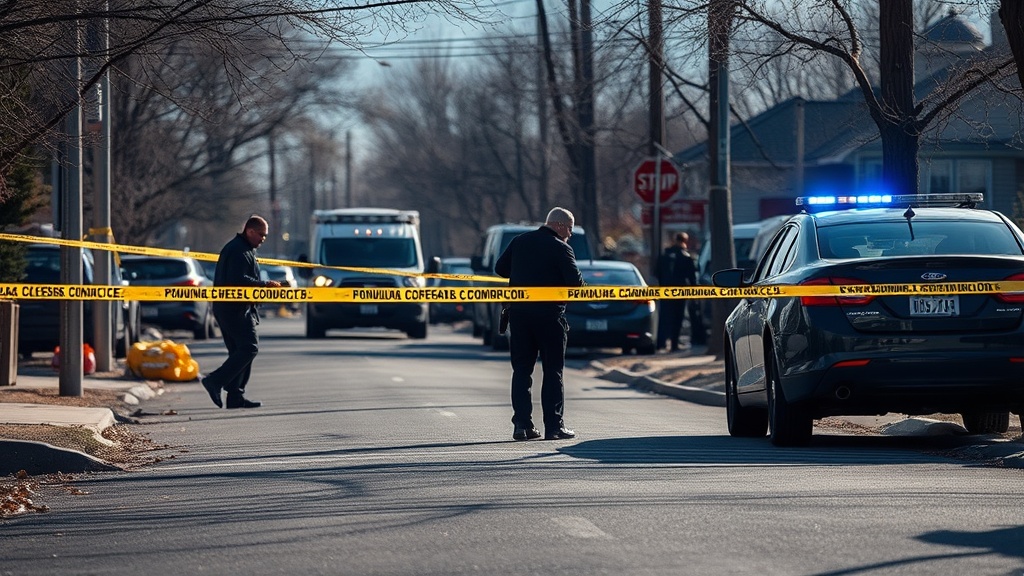
The tragic events unfolded earlier in 2023 when police received reports of a minivan stolen from an Army recruiting office in Sandy. Officers began pursuing the vehicle but maintained a safe distance, allowing the situation to unfold. The teen driver, who had reportedly escaped from a group home just a day prior, attempted to evade police but collided with a motorcycle at the intersection of Monroe Street and 9000 South. The impact resulted in critical injuries to the motorcyclist, who later faced the life-altering consequence of having one of his legs amputated.
Investigative documents obtained by FOX 13 News revealed that the teen had been placed in a group home managed by the Division of Services for People with Disabilities (DSPD). Alarmingly, the warrant noted that despite explicit instructions from the DSPD, the home lacked functioning alarms on its doors and windows, which could have prevented the teen from fleeing. This detail has led to further scrutiny regarding the regulations and oversight governing facilities that care for vulnerable individuals, particularly those with autism.
The young driver’s background paints a complex picture of his mental health challenges. Autistic individuals often face unique struggles, and the circumstances surrounding the teen's escape and subsequent actions raise critical questions about how best to protect both individuals with disabilities and the broader community. The incident has reignited discussions about the need for better training for law enforcement in handling situations involving individuals with mental health issues, as well as improved safety measures in group homes.
Community reactions to the DA's decision have been varied. Advocates for individuals with disabilities have expressed concern over the lack of accountability in such situations, emphasizing the need for more comprehensive mental health training for police officers. They argue that better understanding and empathy could have potentially de-escalated the situation before it led to tragedy. On the other hand, some community members support the decision, noting that police officers are often faced with split-second decisions that can have life-or-death consequences.
The Sandy Police Department's response to the incident has also been a focal point of discussion. In a statement following the DA's announcement, police officials reiterated their commitment to transparency and community safety, asserting that their officers acted in accordance with their training and guidelines when confronted with a rapidly unfolding and dangerous situation. The police department has also indicated that they will continue to review their procedures and practices to ensure the safety of all community members, particularly vulnerable populations.
As the community grapples with the implications of this incident, the case serves as a stark reminder of the challenges faced by individuals with mental health conditions and the importance of creating systems that prioritize their safety and well-being. Ongoing discussions about law enforcement practices, mental health resources, and community support systems will be vital in preventing similar tragedies in the future.
In conclusion, while the Salt Lake County District Attorney's Office has chosen not to file charges in this tragic case, the ramifications of the incident will likely resonate within the community for some time. As stakeholders from various sectors continue to engage in dialogue, the hope is to foster an environment that accommodates and protects all residents, particularly those most vulnerable among us.