Salt Lake City Faces 2025 Challenges with Resilience and Growth
Salt Lake City navigated 2025 with resilience, addressing housing, sustainability, and public health challenges head-on.
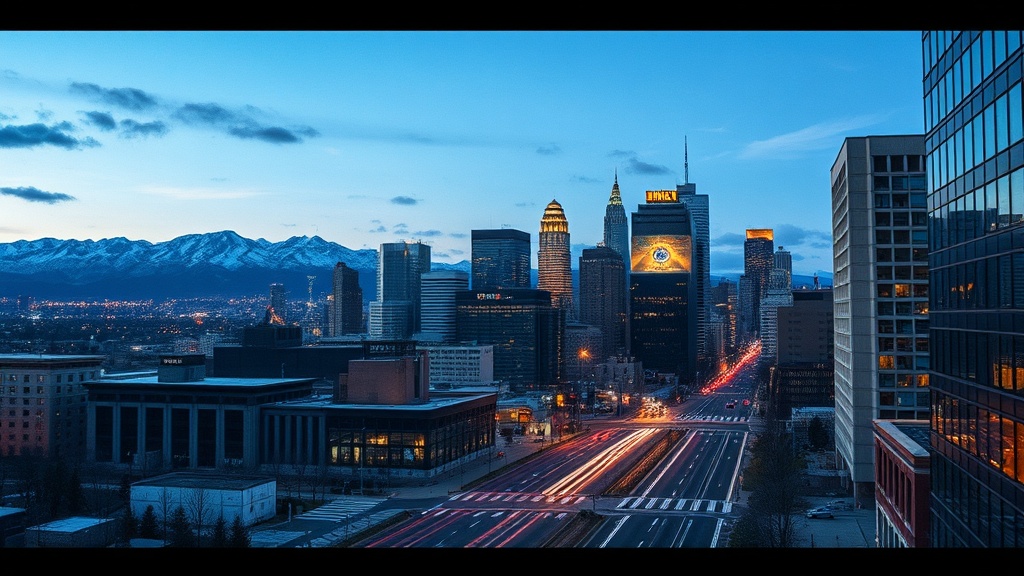
As Salt Lake City navigated the complexities of 2025, the capital of Utah demonstrated resilience in the face of mounting challenges. While the year may not have been as transformative as the preceding one, it was anything but quiet. The city continued to evolve, grappling with issues ranging from housing shortages and environmental sustainability to economic development and public health concerns.
One of the most pressing issues for Salt Lake City in 2025 was the ongoing housing crisis. The rapid population growth in recent years has put immense pressure on the housing market, leading to skyrocketing prices and a significant shortage of affordable options. According to the Salt Lake City Housing Authority, the average rent for a two-bedroom apartment increased by over 10% compared to the previous year, exacerbating the plight of low- and middle-income families. Mayor Erin Mendenhall acknowledged these challenges during a city council meeting in February, stating, "We must prioritize affordable housing solutions to ensure that all our residents can thrive in this beautiful city."
In response, the city has launched several initiatives aimed at increasing the availability of affordable housing units. These include a partnership with local non-profit organizations to convert vacant buildings into low-income housing and the implementation of new zoning laws designed to facilitate the construction of multi-family dwellings. While these measures have received some support, critics argue that they do not go far enough to address the root causes of the housing crisis.
Environmental sustainability was another key focus for Salt Lake City in 2025. The city has long struggled with air quality issues, particularly during the winter months when inversions trap pollution in the valley. In an effort to combat this, officials introduced new regulations aimed at reducing emissions from commercial and residential heating systems. Additionally, the city expanded its tree-planting initiative, aiming to increase urban canopy cover by 20% over the next five years. This effort, as explained by the city’s Chief Sustainability Officer, Sarah Johnson, is part of a broader strategy to not only improve air quality but also enhance the overall quality of life for residents.
Economic development also remained a top priority as Salt Lake City sought to attract new businesses and retain existing ones. The tech sector, in particular, has seen significant growth, with several startups choosing to establish their headquarters in the city. The Salt Lake Chamber of Commerce reported that the tech industry contributed over $1.5 billion to the local economy in 2025, demonstrating the region's potential as a tech hub. However, this growth has also intensified the competition for skilled workers, prompting local educational institutions to enhance their vocational training programs.
Public health emerged as a critical area of concern in 2025, especially in the wake of the COVID-19 pandemic. While the city has made strides in vaccination efforts, health officials warned that mental health issues, particularly among youth, were on the rise. In response, the Salt Lake City School District partnered with local mental health organizations to implement programs designed to provide students with access to counseling and support services. Superintendent Dr. Lexi Dyer emphasized the importance of these initiatives, stating, "Our students' mental health is just as vital as their academic success, and we must do everything we can to support them."
Despite the challenges, there were positive developments throughout Salt Lake City in 2025. The local arts scene continued to thrive, with several new galleries and theaters opening their doors. The annual Salt Lake City Arts Festival attracted thousands of attendees, showcasing local talent and promoting community engagement. Additionally, the city's commitment to inclusivity was evident in its support for various cultural events that celebrated diversity and brought residents together.
Looking forward, Salt Lake City faces an uphill battle in addressing the myriad challenges it encountered in 2025. As Mayor Mendenhall noted in a recent press conference, "We are at a crossroads, and the decisions we make today will shape the future of our city for generations to come." With a proactive approach and community collaboration, Salt Lake City aims to emerge stronger and more united as it continues to grow and change in the years ahead.
In conclusion, while 2025 may not have been marked by major transformative events, it served as a pivotal year for Salt Lake City. The city’s ability to confront pressing issues head-on, from housing shortages to environmental challenges, speaks to the resilience of its residents and the dedication of its leaders. As Salt Lake City looks toward the future, the lessons learned in 2025 will undoubtedly play a crucial role in shaping the path forward for this vibrant urban center.