Salesi Moa Commits to Michigan, Leaving Utah Behind After Short Stint
Salesi Moa flips commitment from Utah to Michigan, impacting both programs significantly.
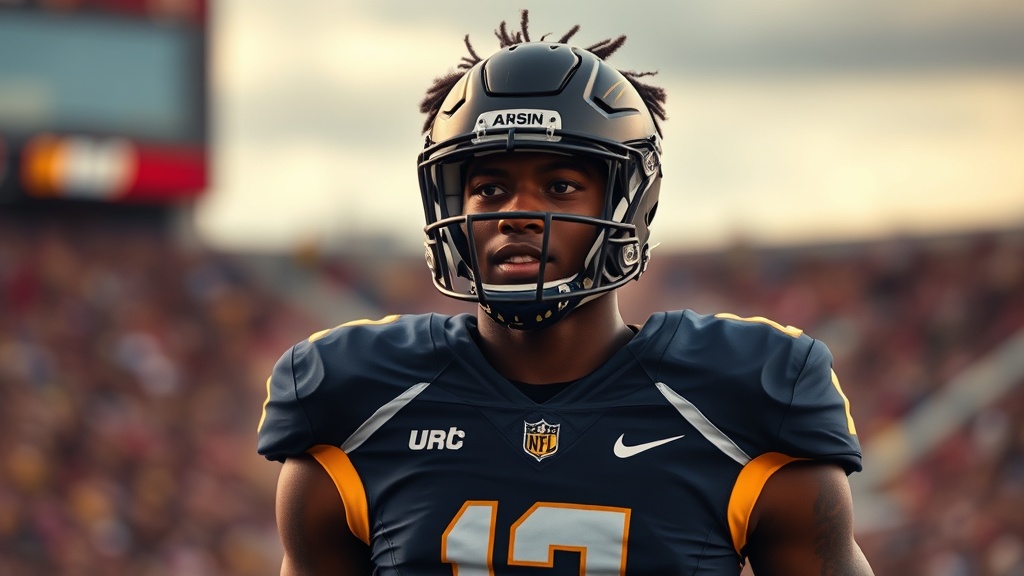
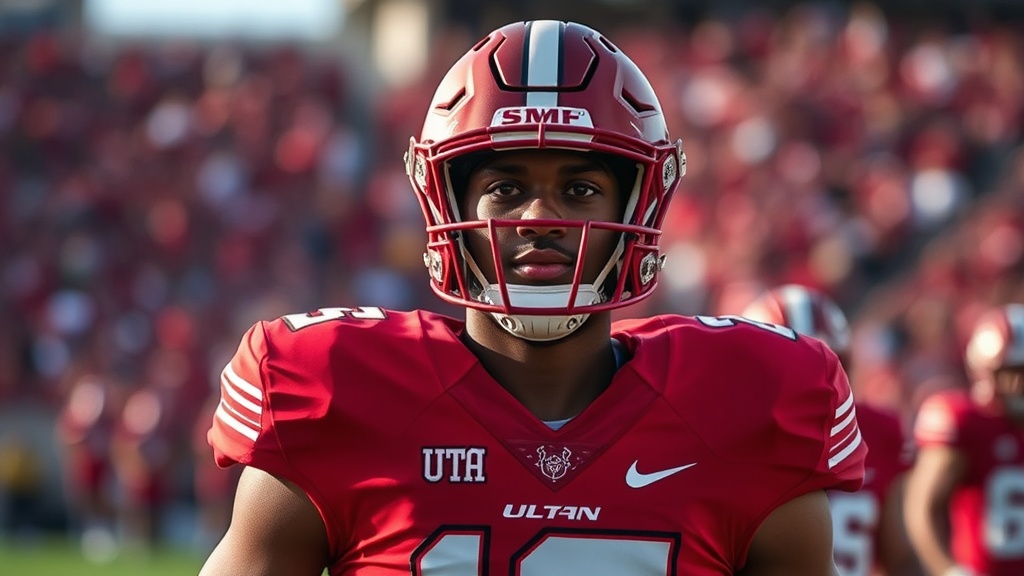
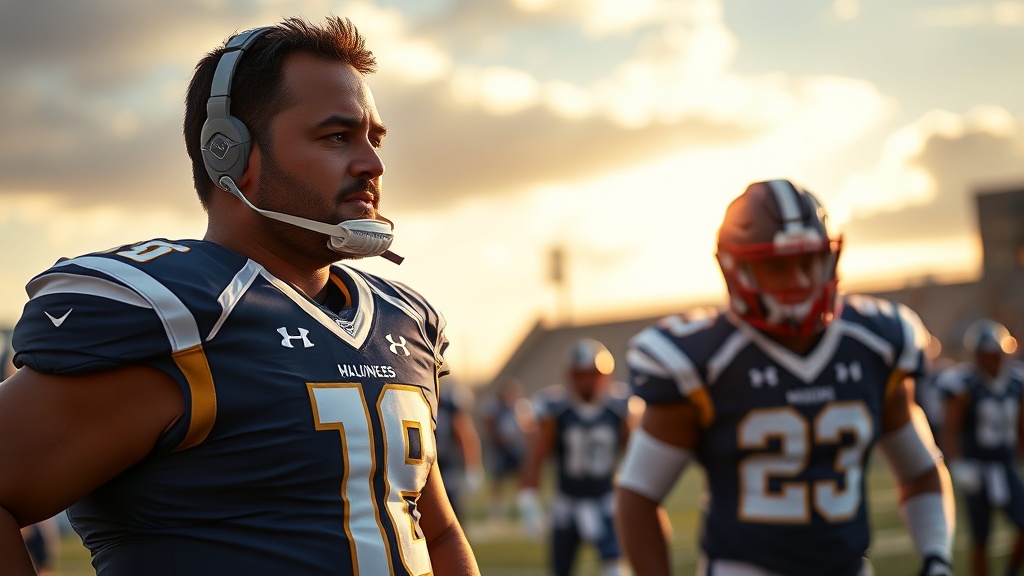
In a surprising turn of events in the world of college football recruiting, top Utah recruit Salesi Moa has officially flipped his commitment from the University of Utah to the University of Michigan. Just six weeks after pledging to join head coach Kyle Whittingham and the Utes, Moa announced on Friday night that he will instead be playing for the Wolverines under head coach Jim Harbaugh. This decision marks a significant shift not only for Moa's career but also for both programs involved as they continue to build their respective rosters.
Salesi Moa, a highly sought-after defensive lineman from the Salt Lake City area, had been the focus of an intense recruiting battle that culminated in his commitment to Utah in mid-September. Known for his impressive size, athleticism, and versatility on the field, Moa was widely regarded as one of the top prospects in the state of Utah. His decision to commit to Utah was seen as a major win for Coach Whittingham, who has built a strong program characterized by tough, disciplined football and a commitment to developing local talent.
However, the winds of change began to blow shortly after Moa's initial commitment. Reports surfaced that Michigan had rekindled its interest in the young defensive star, and the Wolverines’ coaching staff, featuring some of the most respected names in college football, made a strong push to convince him to reconsider his options. The allure of playing in the Big Ten, a conference known for its competitive atmosphere and national visibility, likely played a crucial role in Moa's decision to flip his commitment.
In a statement released through his social media channels, Moa expressed his gratitude for Whittingham and the Utah program, stating, “I want to thank Coach Whittingham and the entire staff at Utah for believing in me and giving me the opportunity to play at a great school. It was a tough decision, but I felt that Michigan was the right fit for my future.” His heartfelt message indicated that the decision was not made lightly, as he weighed the benefits of both programs and the impact they would have on his development as a player.
Moa's decision to join Michigan also raises questions about the current state of recruiting dynamics, especially in the context of the transfer portal and the increasing competitiveness among college football programs. Michigan, which has been known for its storied football history and recent resurgence under Harbaugh, is looking to capitalize on Moa’s talent to bolster its defensive line. Meanwhile, Utah will need to pivot quickly to address the gap left by Moa's departure as they continue to build for the future.
The Wolverines have been actively recruiting top talent from across the country, and Moa’s commitment adds another layer to their already impressive class. As Michigan aims to contend for a national championship, having a player of Moa’s caliber can make a significant difference on the field. His ability to disrupt offenses and contribute to the defensive scheme will be pivotal as he transitions to the collegiate level.
As for Utah, the loss of Moa is certainly a setback, but the program has demonstrated resilience and an ability to attract talent despite challenges. Coach Whittingham and his staff will need to refocus their efforts on other prospects to fill the defensive line position, and they have historically been successful in developing homegrown talent. With several other recruits still considering Utah, the Utes remain a competitive program in the Pac-12 Conference.
In the broader context of college football, Moa’s commitment to Michigan exemplifies the shifting landscape of recruiting where players are increasingly willing to explore options beyond their initial commitments. The influence of coaching staff, program reputation, and the opportunity for national exposure are becoming deciding factors for many recruits.
As the college football landscape continues to evolve, all eyes will be on Salesi Moa as he prepares to join the Wolverines. His journey will be closely watched by fans and analysts alike, as he aims to make an impact both on and off the field. The implications of his decision will resonate beyond just his career, highlighting the ever-changing dynamics of college athletics and recruitment strategies in the competitive realm of college football.
In conclusion, Salesi Moa’s switch from Utah to Michigan represents a significant moment in his athletic career as well as a pivotal moment for both football programs. As Michigan welcomes him into its fold, the Utes must recalibrate and continue their pursuit of excellence in the sport. With recruiting season in full swing, this development serves as a reminder of the fluid nature of college athletics and the strategic maneuvers that define it.