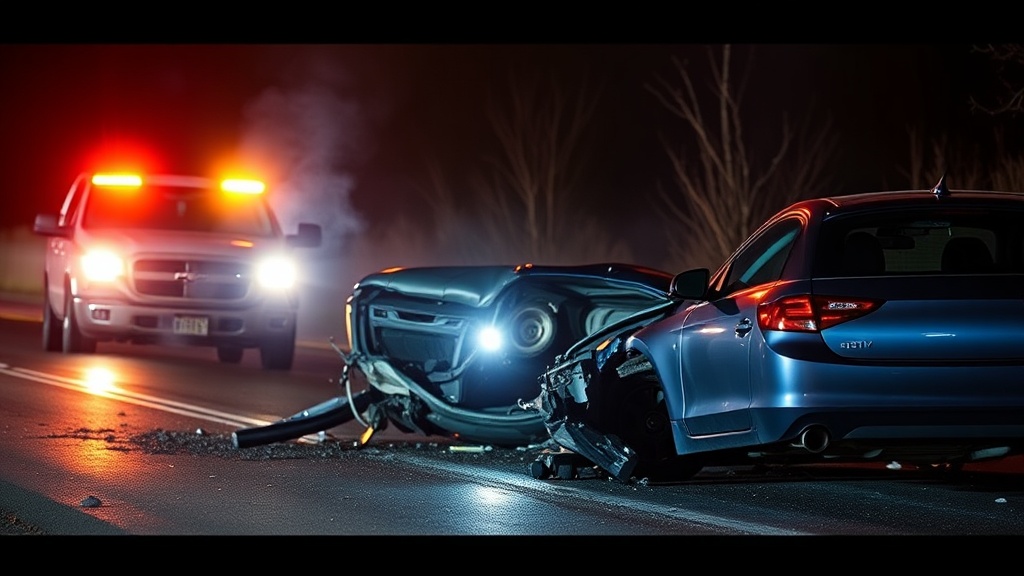
Risks of Laser Interference During Helicopter Rescue Operations
A recent incident at Red Mountain highlights the dangers of lasers near aircraft during rescues.
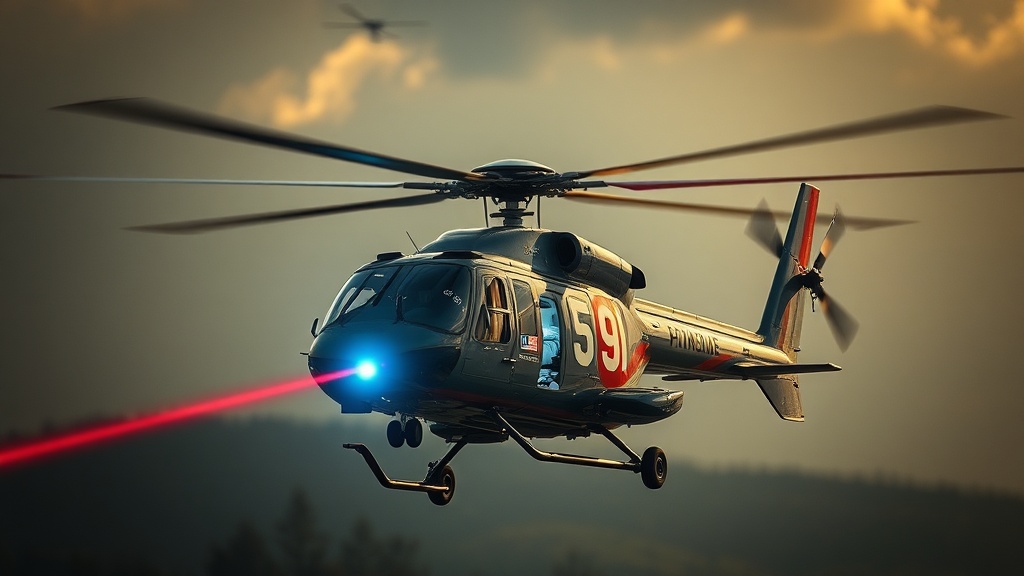
During a recent rescue operation at Red Mountain, a laser was directed at a helicopter, prompting safety officials to highlight the significant dangers that lasers pose to aircraft. This incident serves as a stark reminder of the potential hazards that can arise when lasers are improperly used in proximity to flying vehicles. The use of such devices can impair the vision of pilots, leading to serious safety risks for both the rescuers and those in need of assistance.
Rescue operations often take place in challenging environments, where visibility and safety are paramount. The presence of a laser can create distractions and reduce the effectiveness of rescue efforts. Officials are urging the public to respect the work of emergency responders and understand the implications of shining lasers at aircraft, which can result in severe consequences.
Law enforcement and rescue teams are tasked with ensuring the safety of individuals in distress, and any interference can complicate their efforts. The authorities are stressing the importance of allowing trained professionals to carry out their duties without unnecessary hazards. Public awareness campaigns are being considered to educate individuals about the risks associated with laser use near helicopters and other aircraft.
The Federal Aviation Administration (FAA) has regulations in place regarding the use of lasers near aircraft, and violations can lead to legal repercussions. Individuals caught endangering pilots with laser beams may face fines or other penalties. It is crucial for the community to understand that while lasers might seem harmless, their misuse can have dangerous implications during critical rescue missions.
In conclusion, the recent incident at Red Mountain underscores the need for public education on the risks associated with lasers around aircraft. As rescue teams continue to respond to emergencies, cooperation from the public is essential to ensure the safety and success of these operations.