Rising Violence from Door Knocking Pranks Sparks Concern Across Utah
Ding-dong ditching in Utah escalates into violence, prompting legal actions and community concern.
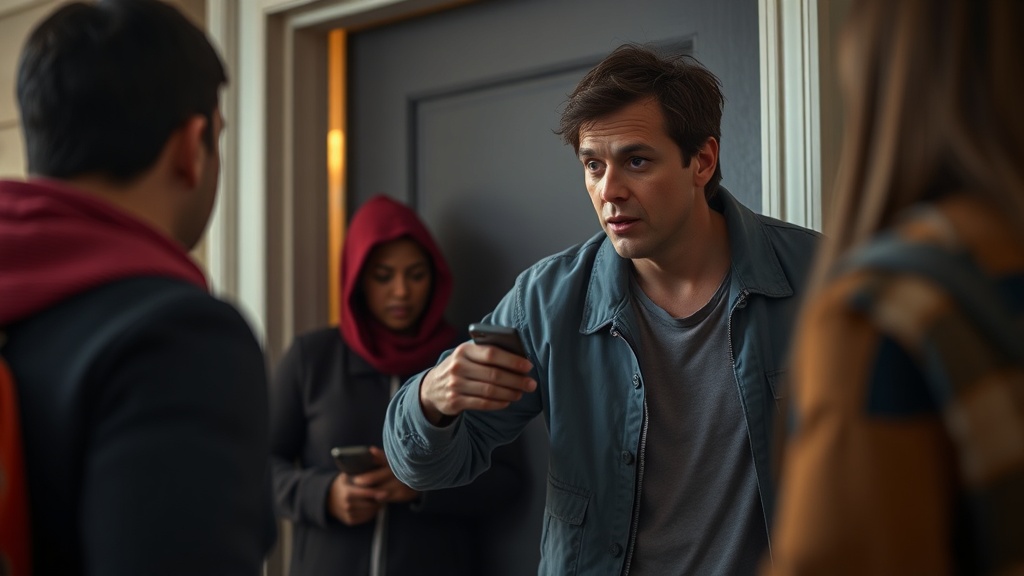
In recent months, what was once seen as a light-hearted childhood prank known as 'ding-dong ditching' has taken a troubling turn in Utah, leading to violent confrontations and criminal charges. This phenomenon is raising alarm among law enforcement, parents, and community leaders who are witnessing an alarming escalation in incidents that were traditionally viewed as harmless fun. The KSL Investigators delved into this disturbing trend, uncovering the potential dangers and the social dynamics at play.
Traditionally, ding-dong ditching involves a group of children or teenagers ringing a doorbell and then running away before the occupant answers. However, in Utah, reports of these pranks escalating into violent encounters are becoming increasingly common. According to the Salt Lake City Police Department, there has been a noticeable rise in complaints related to doorbell pranks that have resulted in aggressive responses from homeowners.
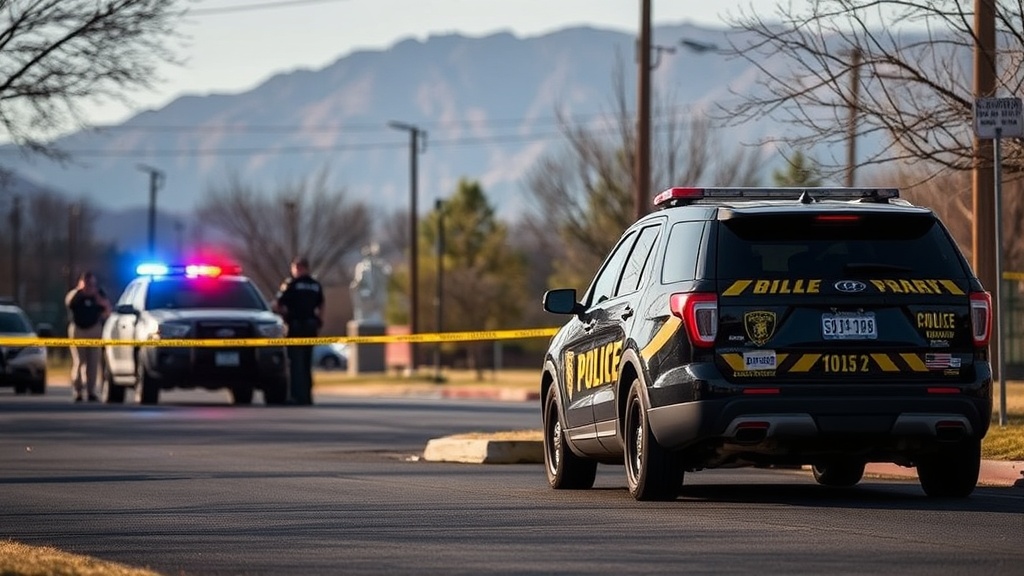
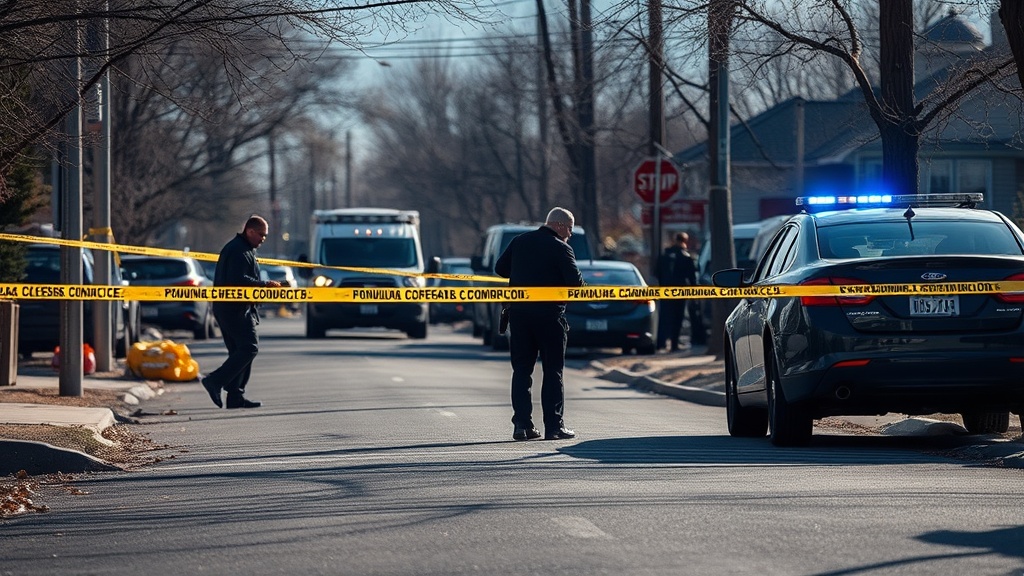
One particularly alarming incident occurred last month in a quiet suburban neighborhood in Layton, Utah. Authorities reported that a group of teenagers engaged in ding-dong ditching at a local residence. When the homeowner confronted them, an altercation ensued, resulting in one of the teenagers sustaining injuries that required medical attention. The homeowner, feeling threatened, was charged with assault for his reaction, highlighting the complex legal ramifications that can arise from what might initially seem like a benign prank.
Sergeant John Doe, a spokesperson for the Salt Lake City Police Department, expressed concern over the trend, stating, “What might have been a harmless prank in the past is now turning into something much more serious. People are on edge, and reactions can quickly escalate into violence, especially when individuals feel their home is being violated.” This sentiment reflects a broader societal shift, where the boundaries of acceptable behavior are becoming increasingly blurred.
Experts suggest that various factors contribute to the rise in violent responses to these pranks. One of the main issues is the heightened sensitivity surrounding personal space and safety in today's world. Many homeowners feel a deep sense of violation when confronted with unexpected disturbances, especially in areas where crime rates are on the rise. Additionally, the anonymity provided by social media and digital communication often emboldens pranksters, leading them to take risks they might not otherwise consider.
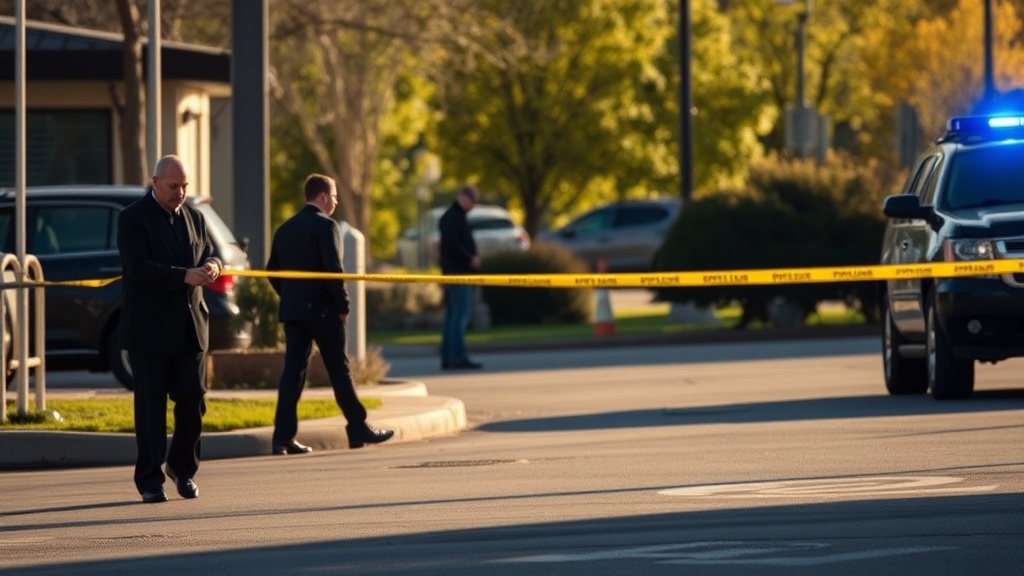
In another incident in Ogden, a group of teenagers faced legal consequences when a homeowner, frustrated by repeated doorbell rings, chased them away with a firearm. Fortunately, no one was harmed, but the incident sparked a significant police response and led to charges against the homeowner for brandishing a weapon. Such cases illustrate the precarious balance between personal rights and community safety, raising questions about how society should handle such pranks that can easily spiral out of control.
Local schools are also taking note of the trend. Administrators have begun to address the issue in classrooms, discussing the potential consequences of pranks that may seem innocent but can lead to severe repercussions. “We want our students to understand that their actions have consequences,” said Principal Jane Smith of Layton High School. “What might seem like a joke to them could have serious implications for others.” Schools are emphasizing empathy and understanding, encouraging students to think critically about their actions and the potential fallout.
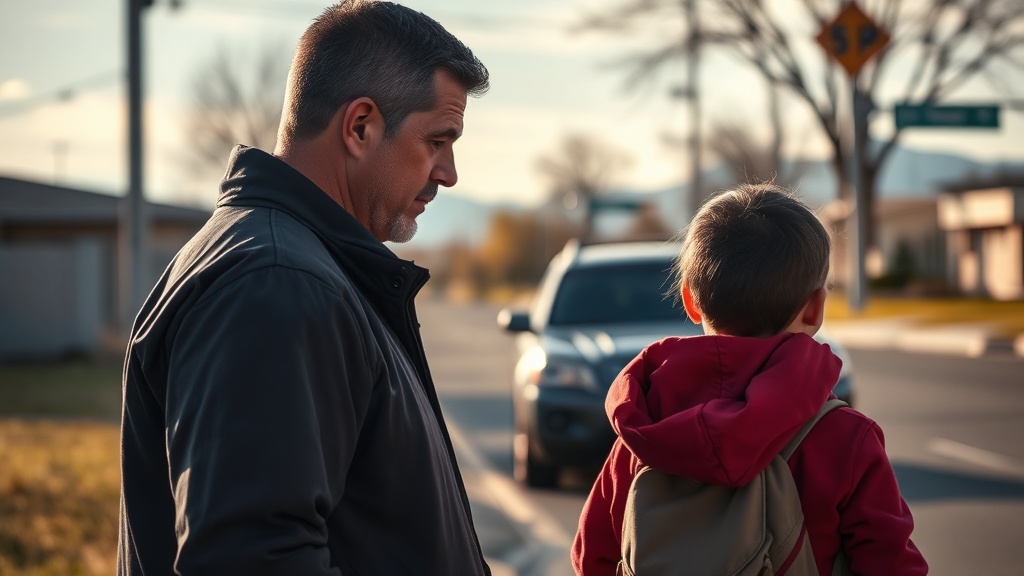
As community leaders strive to combat this issue, they also stress the importance of open communication between parents, children, and law enforcement. Engaging in discussions about appropriate behavior and the potential risks associated with pranks is vital. Neighborhood watch programs are being encouraged to foster a sense of community vigilance, where residents can look out for one another and report suspicious activities.
The KSL Investigators found that while the majority of the incidents are not resulting in serious injuries, the psychological toll on both pranksters and victims can be profound. Homeowners who feel threatened may experience anxiety and fear, while teens caught in the legal system face the risk of a permanent criminal record that could impact their futures.
As Utah grapples with this rising trend of prank-related violence, it is evident that what was once a simple childhood activity is morphing into a complex social issue. Parents and community leaders are called to take proactive measures to educate and guide the younger generation. Understanding the implications of seemingly innocuous actions is essential in fostering a safer environment for everyone.
In conclusion, the escalation of door knocking pranks into violent encounters is a multifaceted issue that requires collective efforts from families, schools, and law enforcement. As Utah navigates these challenges, it is crucial for the community to come together to find solutions that prioritize safety while addressing the youthful spirit of fun and mischief. Only through awareness and education can this troubling trend be turned around, allowing children to enjoy their childhood without fear of violence and repercussions.