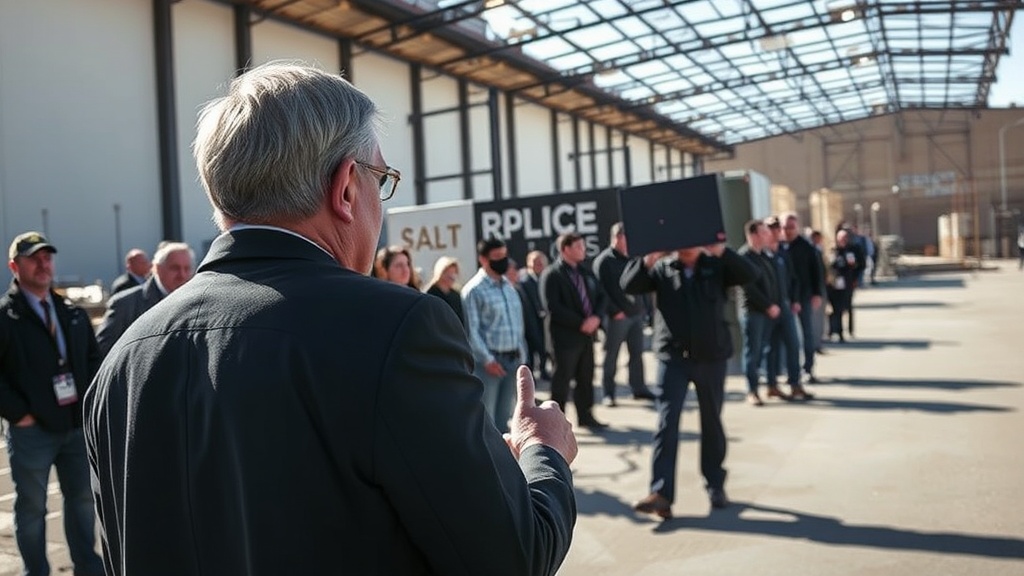
Protests Erupt Over Proposed Immigration Detention Facility in Salt Lake City
Protests erupted in Salt Lake City over a rumored new immigrant detention facility, raising community concerns about its implications.
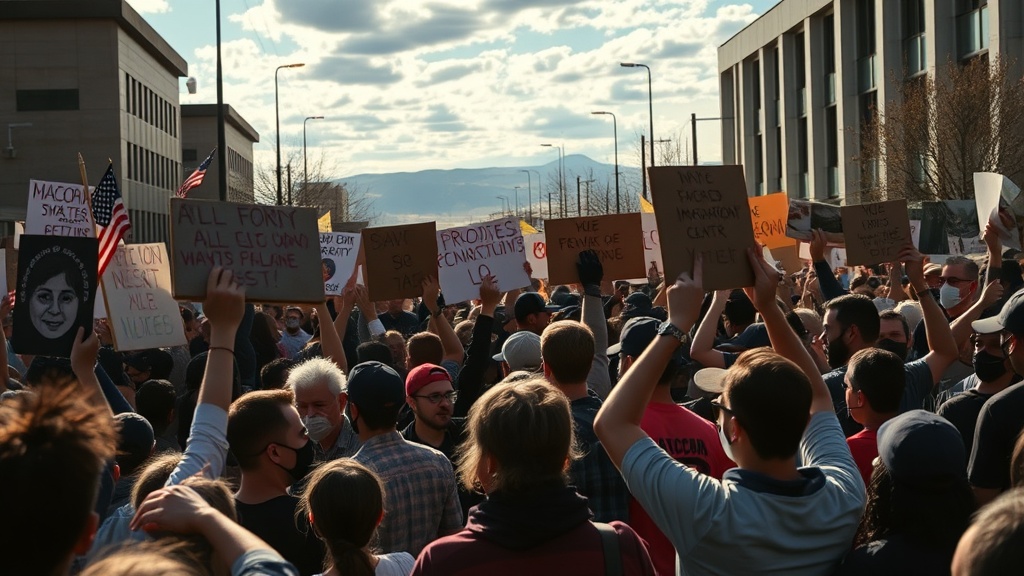
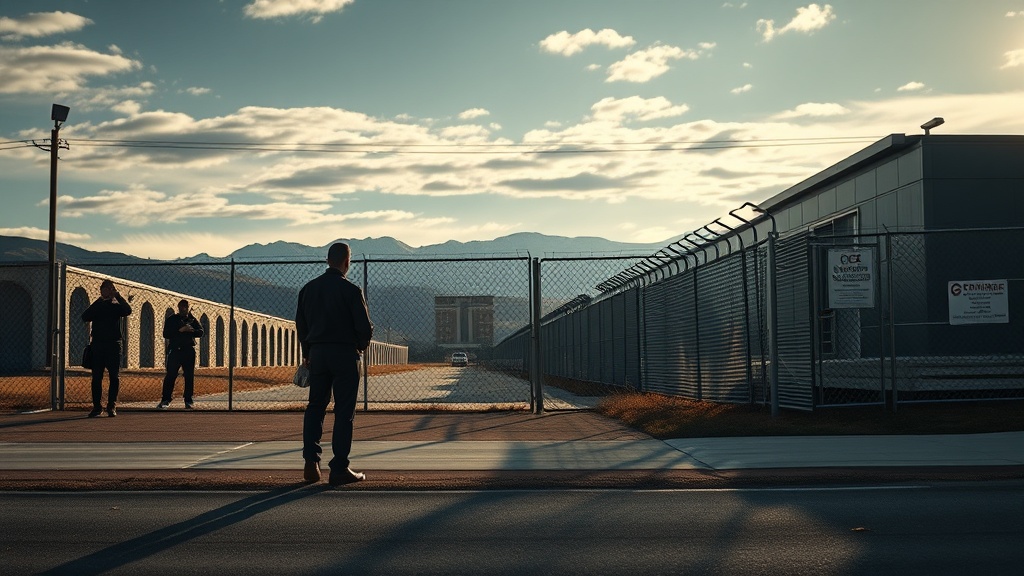
Demonstrators gathered in Salt Lake City on Saturday to voice their concerns over a rumored new immigration detention facility that federal officials are reportedly considering. The protest, organized by local advocacy groups, took place near the site where the facility may be constructed, drawing a diverse crowd of activists, community members, and concerned citizens. Many attendees carried signs with messages condemning the potential facility, describing it as 'unconscionable' and a threat to the community's values.
The proposed site, which is said to be located in an industrial area of Salt Lake City, has not been officially confirmed by federal authorities. However, the speculation surrounding the facility has ignited fears among immigrant rights advocates and local residents. "We are here to stand up for our immigrant community, to say that we do not want a detention center in our city," said Maria Gonzalez, a representative from the Utah Immigrant Rights Coalition. "This is not just about immigrants; this is about our community's integrity and humanity."
The protest was marked by speeches from various community leaders and activists, who highlighted the negative impacts that a detention facility could have on families and individuals in the area. They argued that such facilities often lead to the separation of families and contribute to a culture of fear within immigrant communities. "The presence of a detention center sends a message that our city does not welcome immigrants, and that is simply not true," said Javier Martinez, a local resident and father of two.
While demonstrators expressed their vehement opposition to the proposed facility, federal officials have remained mostly silent on the matter. Attempts to reach the U.S. Immigration and Customs Enforcement (ICE) for comment were met with limited responses. A spokesperson for ICE stated, "We do not comment on potential locations for enforcement operations or facilities." This lack of transparency has fueled further speculation and concern among the community.
The protests come amid a broader national conversation about immigration policy and the treatment of immigrants in the United States. Over recent years, many states have seen a rise in the establishment of detention centers, which critics argue are inhumane and detrimental to immigrant families. According to a report from the American Civil Liberties Union (ACLU), detention facilities often operate under conditions that fail to meet basic human rights standards, raising alarms among human rights advocates.
In Utah, the immigrant population has been growing steadily. According to the U.S. Census Bureau, nearly 12% of Utah's population is foreign-born, contributing significantly to the state's economy and cultural diversity. Advocacy groups stress the importance of supporting rather than criminalizing this population. "Our community thrives because of its diversity, and we must protect the rights and dignity of all individuals, regardless of their immigration status," said Gonzalez during her speech.
Local businesses also weighed in on the potential establishment of the detention facility. Business owners, particularly those in the service and hospitality sectors, expressed concern that a detention center could drive away customers and harm the local economy. "We rely on a diverse clientele, and the presence of a detention center could create an environment of fear that discourages people from visiting our businesses," said Sarah Kim, owner of a popular downtown café.
As the protest concluded, organizers emphasized that their fight will continue, regardless of the federal government's response. "We will not back down until we know that our community is safe and that our immigrant neighbors are treated with respect and dignity," said Martinez, rallying the crowd to stay vigilant and engaged.
The future of the proposed immigration detention facility remains uncertain. Advocacy groups are mobilizing to pressure local and federal officials to halt any plans for its construction. They are also calling for increased community engagement and dialogue about immigration issues. As the situation unfolds, the Salt Lake City community remains on high alert, prepared to stand united in defense of their values of inclusivity and humanity. The ongoing protests reflect a broader movement across the nation, as cities grapple with the implications of immigration policies and the impact on their communities.
In conclusion, the Salt Lake City protest serves as a poignant reminder of the local and national struggles surrounding immigration. With federal officials remaining tight-lipped about the potential facility, community members are determined to make their voices heard. The outcome of this situation could have lasting implications not only for the immigrant population in Utah but also for the community’s social fabric as a whole.