Police Detain Civilian Filming Arrest of Homeless Woman on Sidewalk
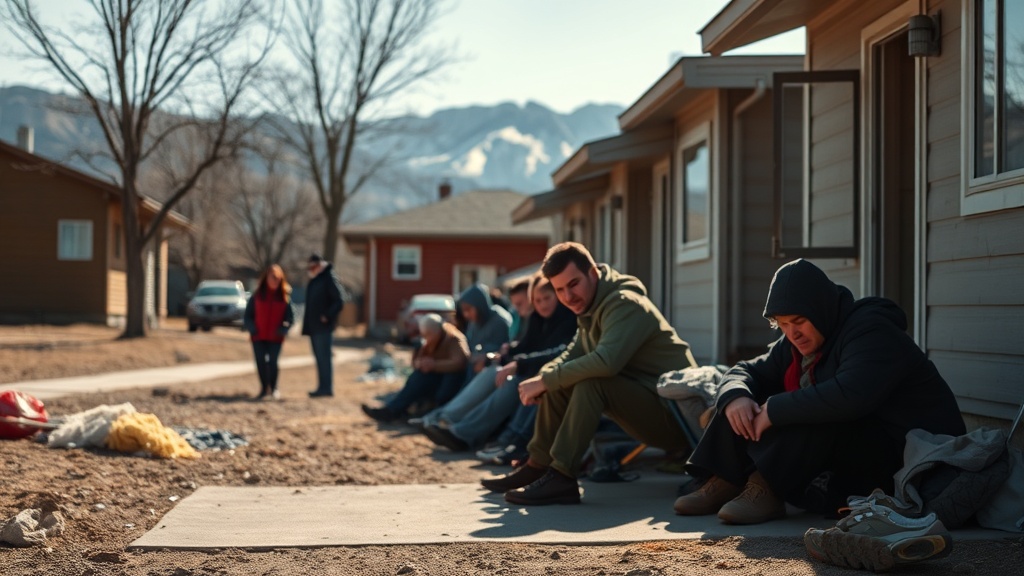
A civilian was detained while filming the arrest of a homeless woman, raising legal questions.

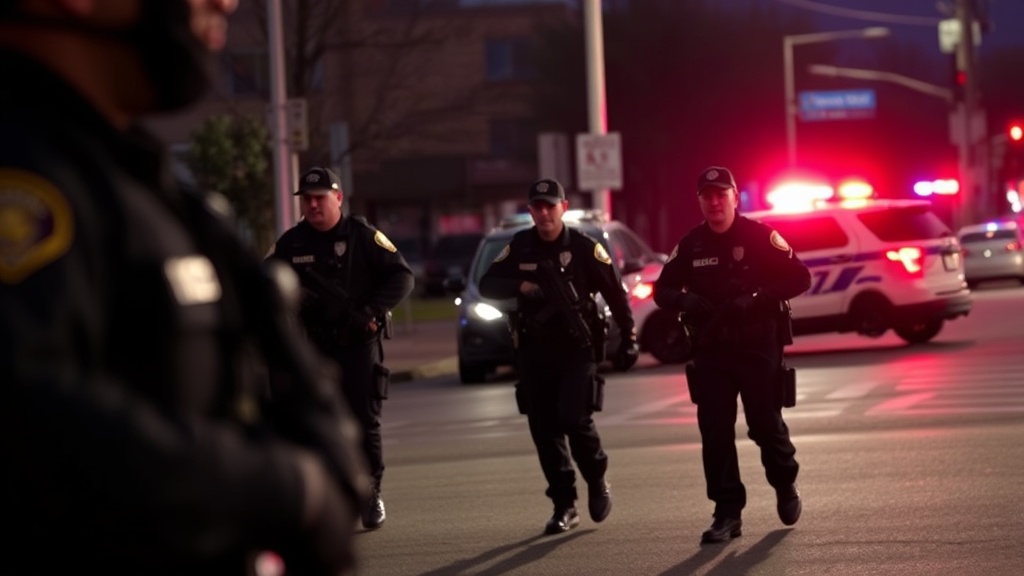
A recent incident in Utah has sparked discussion regarding the legal boundaries for civilians recording police activities. During an arrest of a homeless woman on a public sidewalk, a civilian, often referred to as a 'Cop Watcher', was detained by law enforcement. The individual was filming the encounter when police approached him, leading to questions about how closely bystanders can observe and record police actions without facing legal repercussions.
The situation escalated as the police maintained that the civilian was too close to the scene of the arrest, which raised concerns about the rights of individuals wishing to document public interactions with law enforcement. This event has prompted further examination of the laws surrounding the filming of police work, especially in public spaces. Many community members and legal experts are now contemplating the balance between police authority and the right of civilians to monitor and record public servants.
As the civilian was taken into custody, the footage of the arrest and the subsequent detention was shared across various social media platforms, igniting debates over police accountability and transparency. The incident has drawn attention to a growing movement advocating for the right to film police in action, especially in situations that may involve excessive force or misconduct.
Additionally, the misdemeanor charge that the civilian is facing has raised further questions about the implications of recording police interactions. Advocacy groups are urging for clearer guidelines that protect the rights of citizens while ensuring the safety and effectiveness of police operations. They argue that filming police conduct can serve as a critical tool in promoting accountability and transparency in law enforcement.
The ongoing discussions highlight the need for a better understanding of both civilian rights and police procedures in such contexts. As this case unfolds, it serves as a reminder of the complexities surrounding the intersection of public oversight and law enforcement protocols.