Park City School District Under Investigation for Unauthorized Water Discharge
The Park City School District is under investigation for discharging 500,000 gallons of contaminated groundwater into a ditch from the Treasure Mountain Junior High construction site, raising serious environmental and compliance concerns.
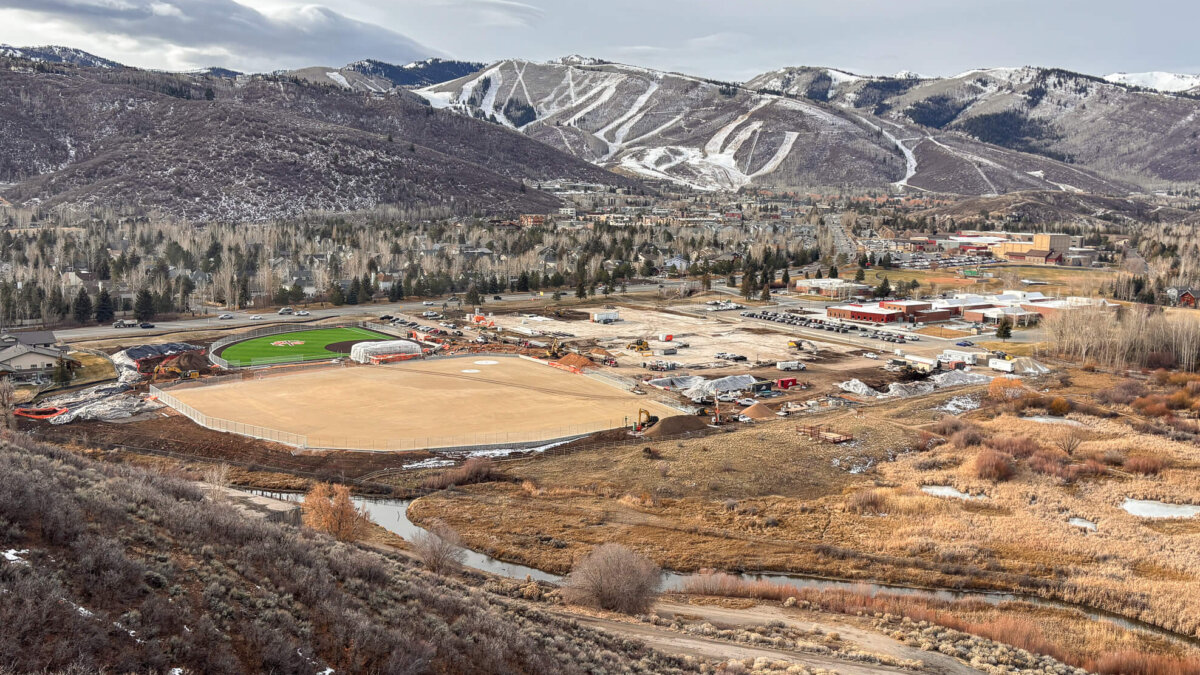
PARK CITY, Utah — The Park City School District (PCSD) is facing scrutiny for a significant groundwater discharge incident linked to the Treasure Mountain Junior High construction site, which is situated on a historic mining Superfund location. This situation became public knowledge on November 17, after a whistleblower reported that approximately 500,000 gallons of contaminated groundwater were discharged into a ditch without proper permits.
The issue began early in October when a contractor for PCSD, Hogan Construction, contacted the Utah Department of Environmental Quality (DEQ) to report the discharge. In August, lab tests conducted at the site revealed elevated levels of arsenic and lead, far exceeding state thresholds that necessitate stricter handling and regulatory approvals for contaminated water. Consequently, the lack of dewatering permits and the absence of a legal framework for the discharge are now central to the ongoing investigation.
The Stormwater Pollution Prevention Plan (SWPPP), sourced through a government records request, clearly states that no dewatering should occur at the site and that any encountered groundwater would need to be contained and evaporated on-site, not discharged off-site. Despite this, Hogan Construction allegedly released the contaminated groundwater into a drainage system leading to Silver Creek.
Emails uncovered during the investigation indicate that both the school district and Hogan Construction were aware of the appropriate measures required for groundwater management but did not follow their environmental consultant’s guidance. This generated numerous questions regarding the adequacy of the school's environmental practices and their compliance with regulatory requirements.
In response to inquiries about the incident, PCSD officials have maintained that the discharge occurred according to their understanding of the established protocols, suggesting that the contaminated groundwater was safely directed through a private stormwater system. However, city officials clarified that no municipal drains exist on-site, casting further doubt on the district's assertions.
The DEQ has stated that the situation could constitute a significant pollution event, with potential for civil penalties amounting to $10,000 per day for each violation under Utah's Water Quality Act. To address public concerns, PCSD has scheduled a public forum on December 16, where community members can discuss environmental issues around the demolition project. Environmental monitoring may be expanded depending on the findings of the ongoing investigation, which also includes considerations for long-term impacts on public waterways.
As the investigation unfolds, the PCSD has recently transitioned to a new environmental consultant, following the completion of a routine contract review, distancing themselves from the previous consultant amid the controversy. The implications of this incident extend beyond legal ramifications, as they raise concerns about the safety of local water systems and community health.